THE ADVENTURE COLLECTIVE® · Independent discovery and booking for outdoor travel

Sail a traditional felucca from Aswan and pair slow river days with guided visits to the pyramids, Luxor’s temples, and Nubian villages. Expect open-deck nights, sleeper trains, and a close-up look at life along the Nile.
Sail a traditional felucca from Aswan and pair slow river days with guided visits to the pyramids, Luxor’s temples, and Nubian villages. Expect open-deck nights, sleeper trains, and a close-up look at life along the Nile.
The sun drops warm gold across the Nile as a wooden felucca slips away from Aswan’s corniche, its broad canvas sails catching a steady, slow wind. On deck, the river breathes—palms nod, farmers tend narrow strips of green, and mud-brick villages slide by like moving postcards. Nights are open sky; days are measured by river bends and temples that rise from the sand.
Verified experiences and guided adventures in the surrounding area.
Operated by Ahmed Ebeid Gabr · Aswan, Aswan Governorate
The sun drops warm gold across the Nile as a wooden felucca slips away from Aswan’s corniche, its broad canvas sails catching a steady, slow wind. On deck, the river breathes—palms nod, farmers tend narrow strips of green, and mud-brick villages slide by like moving postcards. Nights are open sky; days are measured by river bends and temples that rise from the sand.
This multi-day itinerary threads Cairo’s pyramids and museums with Upper Egypt’s living traditions: Nubian villages, the High Dam, Philae’s rescued temple, and the great temples of Luxor and Karnak. Geology here is simple and stark—the Nile carved a narrow, fertile corridor through arid desert, concentrating settlement and monumental stonework along its banks. Culture is equally layered: Pharaonic tombs and Coptic quarters sit within a landscape still shaped by irrigation, trade, and seasonal flows.
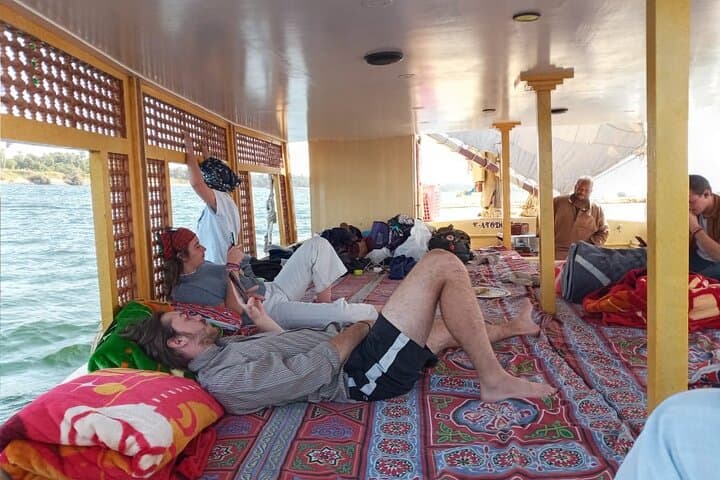
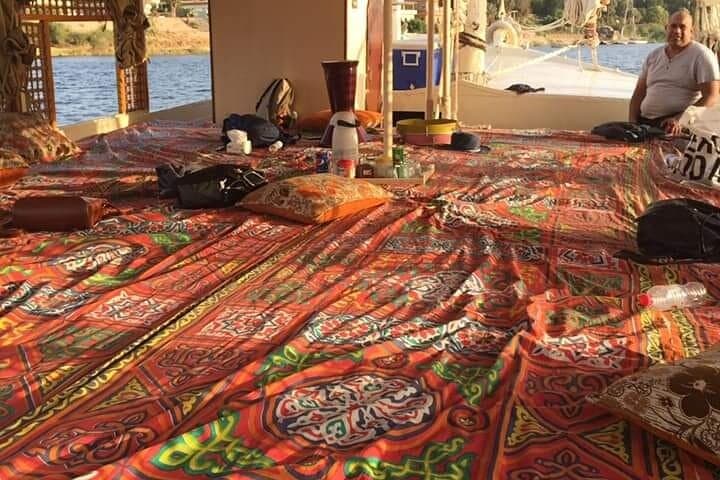
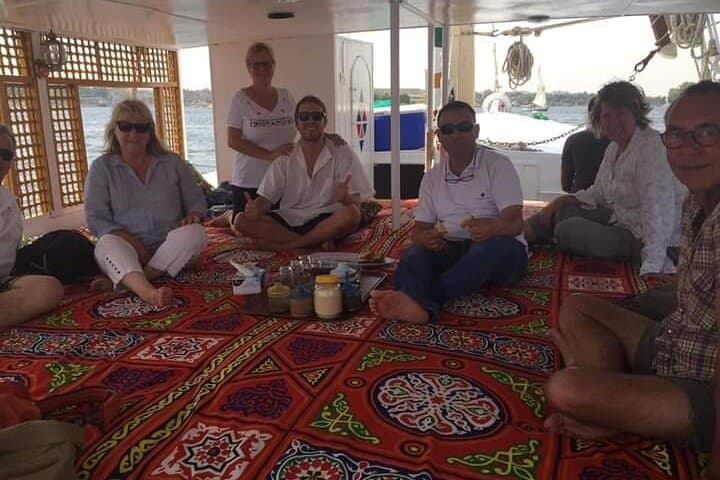
Practicalities are straightforward. Expect a mix of hotel nights, two sleeper trains, and at least one night sleeping on the felucca’s deck; cabins are minimal or absent. Meals are provided on most days; the felucca crew cooks simple, hearty meals. Bring a lightweight sleeping sheet or sleeping bag and plan for early starts if you opt for Abu Simbel. Hydration and sun protection are essential—shade is limited on the river and at open archaeological sites.
This trip balances slow river time with the relentless history of Egypt’s great sites. It suits travelers who want immersive travel without strenuous trekking: move steadily, listen to the river, and let ancient stone and modern life reveal themselves in equal measure.
moderate.
8 days.
Suitable for travelers in average physical condition who can manage short walks, stairs at sites, and sleeping outdoors on a deck.
Feluccas on this itinerary provide open-deck sleeping on mattresses; there is no private cabin—blankets are supplied but bringing a sleeping sheet or bag is recommended.
Most visitors require a visa for Egypt; check your nationality’s requirements in advance and have passport details ready for booking questions.
Temple and tomb visits involve walking on uneven surfaces, steps, and sometimes narrow passages; the trip is not technically difficult but requires mobility for short walks.
Some parts of the itinerary note wheelchair accessibility, but many archaeological sites have steps or uneven terrain—contact the operator to confirm specific accommodations.
The Nile valley concentrated settlement and temple-building for millennia; many sites here were sited specifically along the river’s fertile corridor to serve agriculture and trade.
Rising tourist numbers and water management projects affect fragile sites and local communities; minimize waste, respect restricted areas, and support local guides and vendors when possible.
Ahmed Ebeid Gabr operates guided outdoor trips and adventures with an emphasis on safety, stewardship, and memorable experiences.
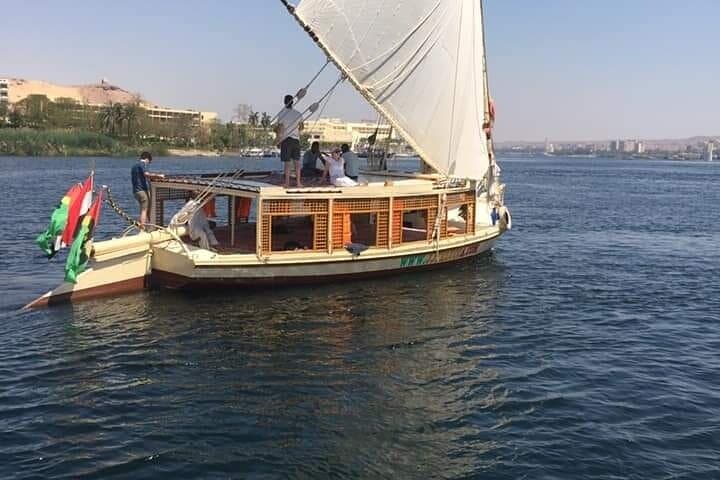
The sun drops warm gold across the Nile as a wooden felucca slips away from Aswan’s corniche, its broad canvas sails catching a steady, slow wind. On deck, the river breathes—palms nod, farmers tend narrow strips of green, and mud-brick villages slide by like moving postcards. Nights are open sky; days are measured by river bends and temples that rise from the sand.
The sun drops warm gold across the Nile as a wooden felucca slips away from Aswan’s corniche, its broad canvas sails catching a steady, slow wind. On deck, the river breathes—palms nod, farmers tend narrow strips of green, and mud-brick villages slide by like moving postcards. Nights are open sky; days are measured by river bends and temples that rise from the sand.
This multi-day itinerary threads Cairo’s pyramids and museums with Upper Egypt’s living traditions: Nubian villages, the High Dam, Philae’s rescued temple, and the great temples of Luxor and Karnak. Geology here is simple and stark—the Nile carved a narrow, fertile corridor through arid desert, concentrating settlement and monumental stonework along its banks. Culture is equally layered: Pharaonic tombs and Coptic quarters sit within a landscape still shaped by irrigation, trade, and seasonal flows.
Practicalities are straightforward. Expect a mix of hotel nights, two sleeper trains, and at least one night sleeping on the felucca’s deck; cabins are minimal or absent. Meals are provided on most days; the felucca crew cooks simple, hearty meals. Bring a lightweight sleeping sheet or sleeping bag and plan for early starts if you opt for Abu Simbel. Hydration and sun protection are essential—shade is limited on the river and at open archaeological sites.
This trip balances slow river time with the relentless history of Egypt’s great sites. It suits travelers who want immersive travel without strenuous trekking: move steadily, listen to the river, and let ancient stone and modern life reveal themselves in equal measure.