THE ADVENTURE COLLECTIVE® · Independent discovery and booking for outdoor travel

Sail a felucca from Aswan to a Nubian village on Soheil Island, ride a camel on riverside sand and meet local families in a compact, three-hour cultural tour. Ideal for travelers who want an accessible, high-impact taste of Nubian life without a long excursion.
Sail a felucca from Aswan to a Nubian village on Soheil Island, ride a camel on riverside sand and meet local families in a compact, three-hour cultural tour. Ideal for travelers who want an accessible, high-impact taste of Nubian life without a long excursion.
A low-slung felucca slips away from Aswan’s stone quay, the Nile’s slow current daring you downstream as minarets and desert outcrops slide past. In three hours you’ll cross to the river’s western bank, skimming the First Cataract’s scattered granite, tie up near Soheil Island and step into a Nubian yard where color, stories and hospitality shape the day.
Verified experiences and guided adventures in the surrounding area.
Operated by Egypt Lovely Tours · Aswan, Aswan Governorate
A low-slung felucca slips away from Aswan’s stone quay, the Nile’s slow current daring you downstream as minarets and desert outcrops slide past. In three hours you’ll cross to the river’s western bank, skimming the First Cataract’s scattered granite, tie up near Soheil Island and step into a Nubian yard where color, stories and hospitality shape the day.
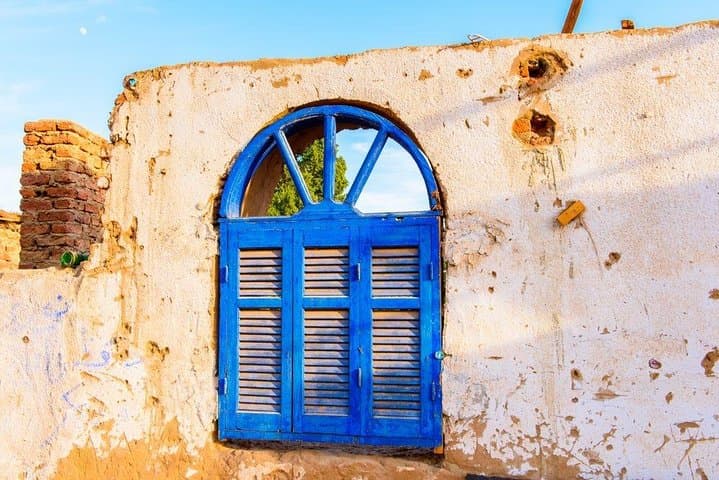
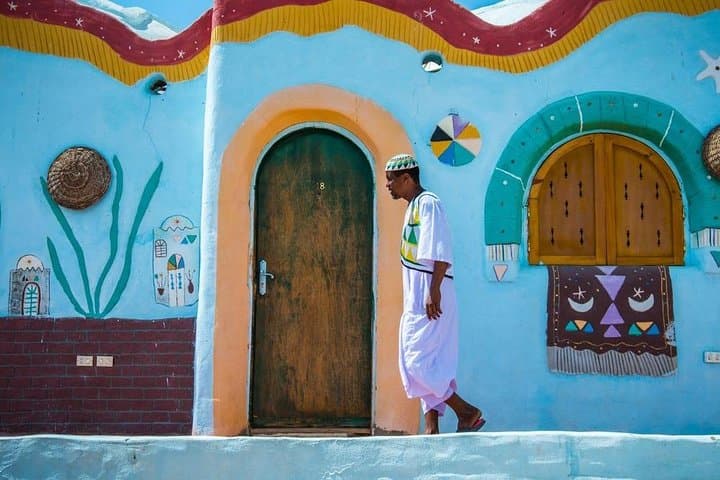
This short excursion threads history and landscape: Aswan marks ancient Egypt’s southern edge, its granite quarried for obelisks and temples. Geology here is honest — exposed granite, sandy terraces and a river that has shaped livelihoods for millennia. Nubian households keep traditions in plain view — painted doorways, woven mats and tea served under shade — and camel handlers offer a quick ride across soft sand, a tactile contrast to the felucca’s quiet glide.
Practical details matter. Tours typically include hotel pickup and bottled water; expect a mix of sailing and motorboat transfers and local guide commentary. Mornings bring temperate winds and better light for photos; midafternoon heat can be intense. Wear breathable clothing, closed shoes for the village and boots or sandals that handle sand. Bring cash for small purchases and to tip your guide and camel handler.
This is an immersive half-day: short on trail mileage but high on cultural exchange. Move deliberately, ask before photographing people, and leave no trace — the Nile remains both lifeline and fragile ecosystem.
easy.
2–3 hours.
Suitable for most fitness levels; involves short walks and a brief camel ride but no sustained exertion.
The experience runs about three hours door-to-door, including hotel pickup, the boat transfer and time in the Nubian village.
Camel rides are short and typically safe for most ages, but infants must sit on laps and guests with mobility concerns should consult the operator ahead of time.
Yes — boat fees and bottled water are listed as included, and pickup/return from Aswan hotels is usually provided.
Carry a form of ID when traveling with a tour, but you typically won’t need your passport for local day trips; check with your operator for specific pickup requirements.
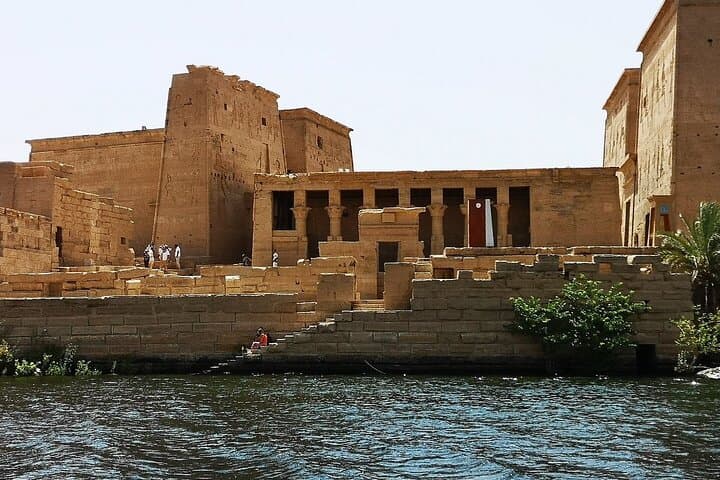
Aswan has long been Egypt’s southern frontier; its granite quarries and river crossings shaped trade and temple-building in pharaonic and later periods, while Nubian communities preserve distinct languages and crafts.
The Nile’s banks are ecologically sensitive; limit single-use plastics, respect local waste practices and support local-run businesses to help sustain community tourism.
Egypt Lovely Tours operates guided outdoor trips and adventures with an emphasis on safety, stewardship, and memorable experiences.
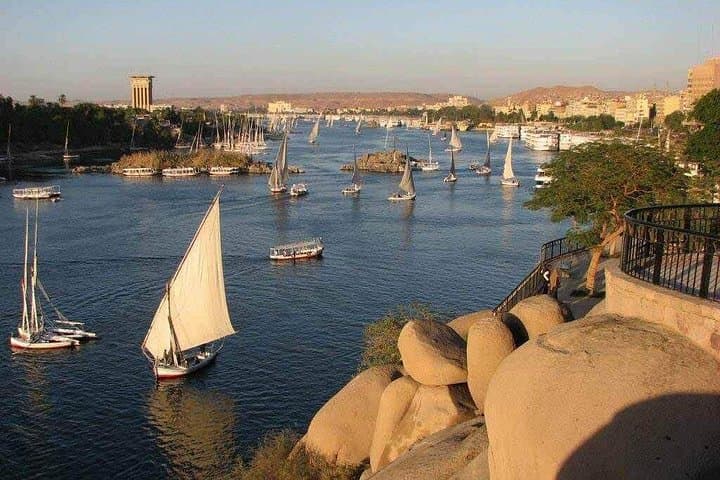
A low-slung felucca slips away from Aswan’s stone quay, the Nile’s slow current daring you downstream as minarets and desert outcrops slide past. In three hours you’ll cross to the river’s western bank, skimming the First Cataract’s scattered granite, tie up near Soheil Island and step into a Nubian yard where color, stories and hospitality shape the day.
A low-slung felucca slips away from Aswan’s stone quay, the Nile’s slow current daring you downstream as minarets and desert outcrops slide past. In three hours you’ll cross to the river’s western bank, skimming the First Cataract’s scattered granite, tie up near Soheil Island and step into a Nubian yard where color, stories and hospitality shape the day.
This short excursion threads history and landscape: Aswan marks ancient Egypt’s southern edge, its granite quarried for obelisks and temples. Geology here is honest — exposed granite, sandy terraces and a river that has shaped livelihoods for millennia. Nubian households keep traditions in plain view — painted doorways, woven mats and tea served under shade — and camel handlers offer a quick ride across soft sand, a tactile contrast to the felucca’s quiet glide.
Practical details matter. Tours typically include hotel pickup and bottled water; expect a mix of sailing and motorboat transfers and local guide commentary. Mornings bring temperate winds and better light for photos; midafternoon heat can be intense. Wear breathable clothing, closed shoes for the village and boots or sandals that handle sand. Bring cash for small purchases and to tip your guide and camel handler.
This is an immersive half-day: short on trail mileage but high on cultural exchange. Move deliberately, ask before photographing people, and leave no trace — the Nile remains both lifeline and fragile ecosystem.