THE ADVENTURE COLLECTIVE® · Independent discovery and booking for outdoor travel

Spend a day with a local guide exploring Thimphu’s temples, textile galleries and craft bazaars. This private, personalized tour mixes cultural insight with easy walking and curated stops that introduce Bhutan’s capital in one immersive day.
Spend a day with a local guide exploring Thimphu’s temples, textile galleries and craft bazaars. This private, personalized tour mixes cultural insight with easy walking and curated stops that introduce Bhutan’s capital in one immersive day.
You step from the car onto a broad, sun-bright street and the valley exhales around you: terraced hills, prayer flags snapping, and the distant flash of a whitewashed dzong rising above low roofs. The day moves at local pace — deliberate, observant — as your guide threads you through markets, temples and the quiet alleys where everyday Bhutanese life plays out.
Verified experiences and guided adventures in the surrounding area.
Operated by Tshering choden · Thimphu, Thimphu
You step from the car onto a broad, sun-bright street and the valley exhales around you: terraced hills, prayer flags snapping, and the distant flash of a whitewashed dzong rising above low roofs. The day moves at local pace — deliberate, observant — as your guide threads you through markets, temples and the quiet alleys where everyday Bhutanese life plays out.
Thimphu became Bhutan’s capital in the 1960s; its low-rise profile and ornate dzongs reflect a living architectural language that balances governance and religion. Geologically the city sits in a Himalayan river valley carved by millennia of tectonic uplift and seasonal runoff, which shapes the steep views toward Sangaygang and the ridgelines that catch evening light. Culturally, the city is a modernizing capital that still prizes traditional dress, handloom textiles and communal festivals.
On a private, personalized day tour you’ll visit a major temple, the textile gallery, craft bazaar, folk heritage museum and evening viewpoints. Expect close encounters with artisans, explanations of Bhutanese weaving techniques and a chance to try local dishes during included lunch. The itinerary mixes short walks with vehicle transfers; terrain is paved and easy but can include uneven museum steps and cobbled lanes.
Practical guidance: bring comfortable, broken-in walking shoes, a light rain layer in summer, and a respectful attitude at religious sites (cover shoulders and remove hats inside temples). Hydrate for altitude, carry local currency for small purchases, and schedule tours earlier in the day to avoid late-afternoon road traffic. A private guide can tailor pace and timing, turning a city tour into a condensed, contextual introduction to Bhutan’s capital.
easy.
4–8 hours.
Suitable for most fitness levels; requires short walks and standing during museum visits
Most international visitors require a Bhutanese visa arranged before travel through a licensed tour operator or local agent; check requirements for your nationality early.
English is widely spoken by guides and in tourist services; Dzongkha is the national language and many signs may include both.
The itinerary is gentle and family-friendly, but confirm transport and infant seat availability when booking; some religious sites have limited access for strollers.
Typical inclusions are a private guide, vehicle transfers, lunch and admission fees as specified on booking—confirm exact inclusions with the operator.
Thimphu became Bhutan’s capital in the 1960s; its dzongs and administrative buildings blend religious and civic functions central to Bhutanese governance.
Bhutan prioritizes conservation—over half the country is protected forest, and tourism operators follow policies that emphasize cultural respect and low environmental impact.
Tshering choden operates guided outdoor trips and adventures with an emphasis on safety, stewardship, and memorable experiences.
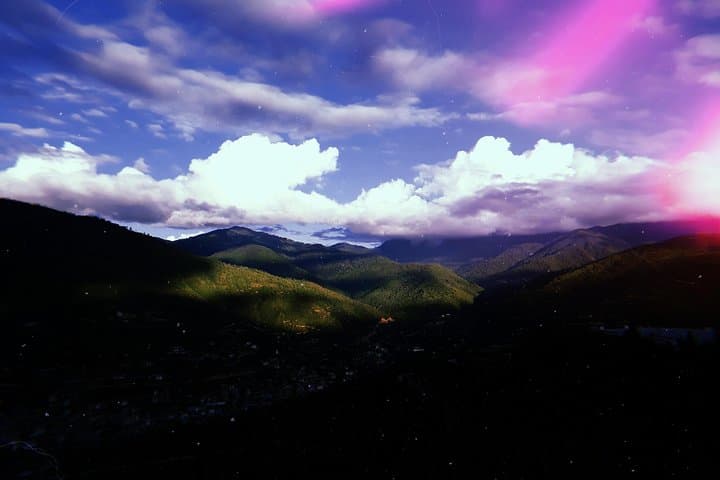
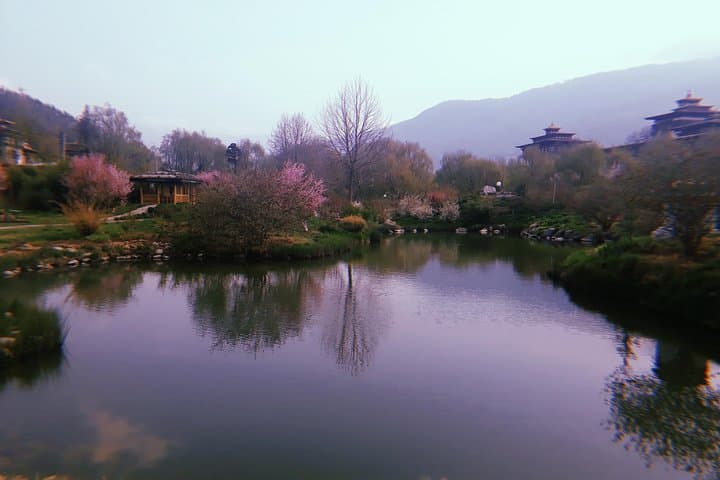
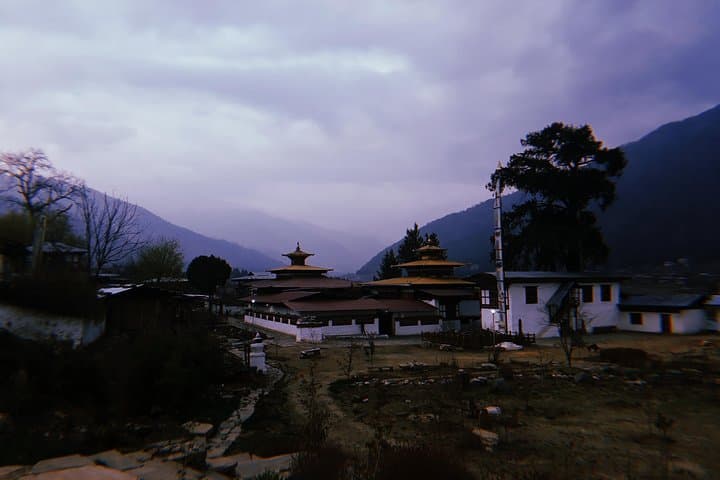
You step from the car onto a broad, sun-bright street and the valley exhales around you: terraced hills, prayer flags snapping, and the distant flash of a whitewashed dzong rising above low roofs. The day moves at local pace — deliberate, observant — as your guide threads you through markets, temples and the quiet alleys where everyday Bhutanese life plays out.
You step from the car onto a broad, sun-bright street and the valley exhales around you: terraced hills, prayer flags snapping, and the distant flash of a whitewashed dzong rising above low roofs. The day moves at local pace — deliberate, observant — as your guide threads you through markets, temples and the quiet alleys where everyday Bhutanese life plays out.
Thimphu became Bhutan’s capital in the 1960s; its low-rise profile and ornate dzongs reflect a living architectural language that balances governance and religion. Geologically the city sits in a Himalayan river valley carved by millennia of tectonic uplift and seasonal runoff, which shapes the steep views toward Sangaygang and the ridgelines that catch evening light. Culturally, the city is a modernizing capital that still prizes traditional dress, handloom textiles and communal festivals.
On a private, personalized day tour you’ll visit a major temple, the textile gallery, craft bazaar, folk heritage museum and evening viewpoints. Expect close encounters with artisans, explanations of Bhutanese weaving techniques and a chance to try local dishes during included lunch. The itinerary mixes short walks with vehicle transfers; terrain is paved and easy but can include uneven museum steps and cobbled lanes.
Practical guidance: bring comfortable, broken-in walking shoes, a light rain layer in summer, and a respectful attitude at religious sites (cover shoulders and remove hats inside temples). Hydrate for altitude, carry local currency for small purchases, and schedule tours earlier in the day to avoid late-afternoon road traffic. A private guide can tailor pace and timing, turning a city tour into a condensed, contextual introduction to Bhutan’s capital.