THE ADVENTURE COLLECTIVE® · Independent discovery and booking for outdoor travel

Spend 10–15 minutes hand-feeding rescued elephants at Bukit Elephant Park in Phuket. This short, guided encounter emphasizes ethical care—no riding or bathing—and provides a hands-on glimpse into local elephant conservation.
Spend 10–15 minutes hand-feeding rescued elephants at Bukit Elephant Park in Phuket. This short, guided encounter emphasizes ethical care—no riding or bathing—and provides a hands-on glimpse into local elephant conservation.
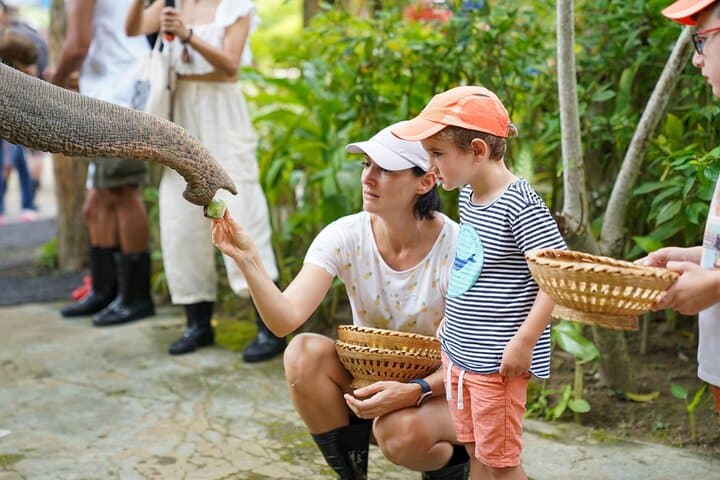
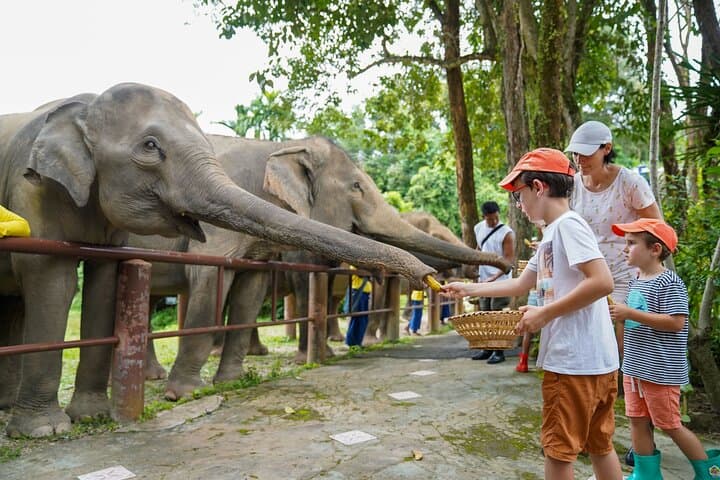
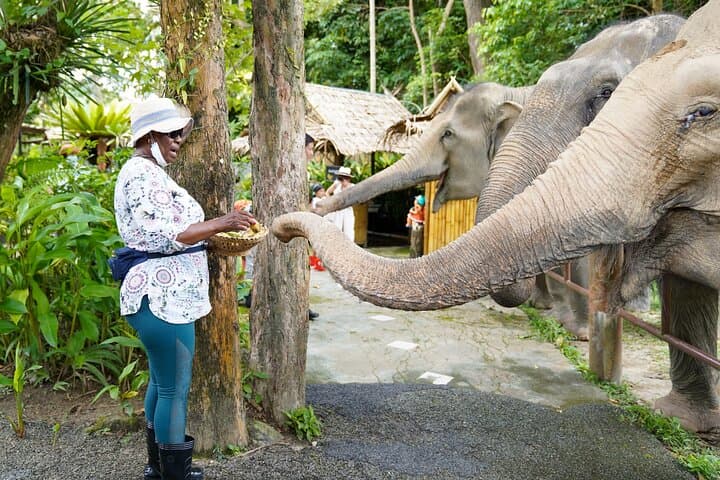
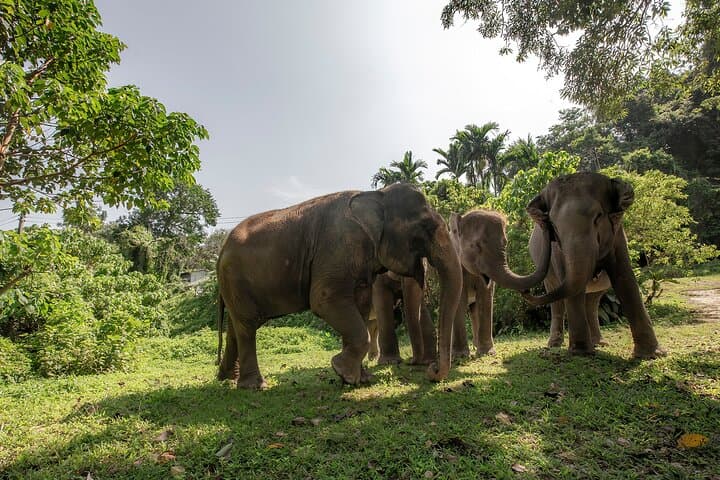
You step onto a compact feeding platform where seven rescued elephants amble in with deliberate curiosity, trunks probing the air for the scent of fruit. The sun is warm but shaded by tall tropical trees; the sounds are muted—occasional calls from guides and the soft crack of banana peels. For 10–15 minutes you stand close enough to feel the animals’ breath and watch slow, intelligent mouths take what you offer.
Verified experiences and guided adventures in the surrounding area.
Operated by Bukit Elephant Park · Phuket, Phuket Province
You step onto a compact feeding platform where seven rescued elephants amble in with deliberate curiosity, trunks probing the air for the scent of fruit. The sun is warm but shaded by tall tropical trees; the sounds are muted—occasional calls from guides and the soft crack of banana peels. For 10–15 minutes you stand close enough to feel the animals’ breath and watch slow, intelligent mouths take what you offer.
Phuket’s elephants have long been woven into southern Thailand’s working and cultural history, shifting from log-haul and labor roles to sanctuary life as tourism practices changed. Geologically, the island’s worn limestone and granitic outcrops give way here to low, forested ridges that shelter shaded holding areas—practical terrain for short, managed encounters rather than long treks.
This is a focused, ethical interaction: one fruit basket per person, guided feeding protocols, and an explicit no-riding, no-bathing policy that centers welfare. Guides and mahouts brief you on safe body language and how to present food so the elephants take it gently.
Practical guidance: arrive 10–15 minutes early, expect a brief program that’s accessible to most ages and mobility levels, and plan for heat—bring water and sun protection. Wear closed-toe shoes and avoid dangling jewelry or loose backpacks; keep movements calm and follow staff instructions.
The activity is short but meaningful: it gives a direct, low-impact way to connect with rescued elephants while supporting a sanctuary model focused on care rather than performance.
easy.
10–15 minutes.
Suitable for most fitness levels, including families, older adults, and those with limited mobility
Yes—this brief, guided feeding is designed to be accessible to families and guests with limited mobility; infants should sit on laps and staff will advise on safe positioning.
No—Bukit Elephant Park does not offer riding or bathing; the program focuses on ethical, low-impact feeding interactions and animal welfare.
You’ll be given one basket per person containing bananas or, depending on the season, watermelon—staff decide based on availability and elephant diets.
Yes—feeding areas and primary paths are wheelchair accessible, but notify the operator if you have specific mobility needs so they can prepare assistance.
Elephants in southern Thailand historically worked in logging and agriculture; many sanctuaries now rehabilitate animals formerly used in labor or performance.
The park emphasizes non-exploitative care—no riding or shows—and relies on responsible visitor protocols and donations to fund veterinary care and feed.
Bukit Elephant Park operates guided outdoor trips and adventures with an emphasis on safety, stewardship, and memorable experiences.
You step onto a compact feeding platform where seven rescued elephants amble in with deliberate curiosity, trunks probing the air for the scent of fruit. The sun is warm but shaded by tall tropical trees; the sounds are muted—occasional calls from guides and the soft crack of banana peels. For 10–15 minutes you stand close enough to feel the animals’ breath and watch slow, intelligent mouths take what you offer.
You step onto a compact feeding platform where seven rescued elephants amble in with deliberate curiosity, trunks probing the air for the scent of fruit. The sun is warm but shaded by tall tropical trees; the sounds are muted—occasional calls from guides and the soft crack of banana peels. For 10–15 minutes you stand close enough to feel the animals’ breath and watch slow, intelligent mouths take what you offer.
Phuket’s elephants have long been woven into southern Thailand’s working and cultural history, shifting from log-haul and labor roles to sanctuary life as tourism practices changed. Geologically, the island’s worn limestone and granitic outcrops give way here to low, forested ridges that shelter shaded holding areas—practical terrain for short, managed encounters rather than long treks.
This is a focused, ethical interaction: one fruit basket per person, guided feeding protocols, and an explicit no-riding, no-bathing policy that centers welfare. Guides and mahouts brief you on safe body language and how to present food so the elephants take it gently.
Practical guidance: arrive 10–15 minutes early, expect a brief program that’s accessible to most ages and mobility levels, and plan for heat—bring water and sun protection. Wear closed-toe shoes and avoid dangling jewelry or loose backpacks; keep movements calm and follow staff instructions.
The activity is short but meaningful: it gives a direct, low-impact way to connect with rescued elephants while supporting a sanctuary model focused on care rather than performance.