THE ADVENTURE COLLECTIVE® · Independent discovery and booking for outdoor travel

Drive west from Salalah to where the sea forces water through limestone lungs and a long white beach unfurls: Mughsail’s blowholes and the secluded Fazayah coast offer dramatic geology, frankincense groves, and quiet swimming spots. Here’s what to expect and how to plan your day.
Drive west from Salalah to where the sea forces water through limestone lungs and a long white beach unfurls: Mughsail’s blowholes and the secluded Fazayah coast offer dramatic geology, frankincense groves, and quiet swimming spots. Here’s what to expect and how to plan your day.
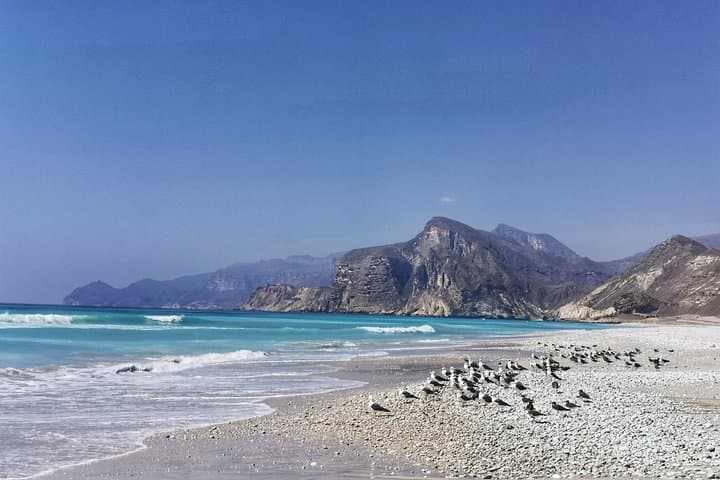
Salt wind tugs at your shirt as the road drops toward the sea and, suddenly, a sweep of white sand and Blue-green water opens under a high limestone rim. At Al Mughsail, waves find narrow rock vents and force water skyward through the famous blowholes; spray and thunder announce the ocean’s power. Walk a short way to Marneef Cave’s mouth where wind and surf shape cliff faces into sculpted rooms, then continue along the coastal track to Fazayah — a nearly uninterrupted five-kilometer strand of hard-packed sand and shallow surf.
Verified experiences and guided adventures in the surrounding area.
Operated by Salalah Glory Tours · Salalah, Dhofar
Salt wind tugs at your shirt as the road drops toward the sea and, suddenly, a sweep of white sand and Blue-green water opens under a high limestone rim. At Al Mughsail, waves find narrow rock vents and force water skyward through the famous blowholes; spray and thunder announce the ocean’s power. Walk a short way to Marneef Cave’s mouth where wind and surf shape cliff faces into sculpted rooms, then continue along the coastal track to Fazayah — a nearly uninterrupted five-kilometer strand of hard-packed sand and shallow surf.
This stretch of Dhofar is shaped by Miocene limestone and coastal dunes, and its human story runs to frankincense: the region supplied incense caravans for millennia, and small frankincense trees still dot the hills above the road. The Mughsail blowholes are geological postcards of sea-driven erosion; Fazayah’s calm lagoon attracts waders, especially flamingos during seasonal visits.
Practically, the route is a full-day private drive from Salalah with short walks on uneven rock and beach sand. Tides change the experience — high tide amplifies the blowholes, low tide opens tidal pools. Expect an 8-hour outing with vehicle transfers, bottled water, and stops for photos and brief swims. Wear sturdy sandals or light hiking shoes for rocky sections, apply reef-safe sunscreen, and carry a refillable bottle. If you camp, pitch above the strand to avoid nighttime high tides and wind. For photographers and nature lovers it’s a rare mix of raw coastline, living cultural history, and calm seaside solitude.
easy.
8 hours.
Light fitness — able to manage short walks over sand and uneven rock; minimal elevation change.
Most private tours run about 6–8 hours including transfers, stops at blowholes, viewpoints, and time at Fazayah Beach.
Yes — the beach has clear water and shallow entry in many spots, but check currents and avoid swimming near rock outcrops and during strong surf.
Yes for viewing from designated areas; stay behind barriers and avoid climbing slippery rocks near vent openings, particularly at high tide.
Informal, low-impact camping is common, but pitch above the high-tide line, pack out all waste, and follow local guidance from your tour operator.
Dhofar’s coast was integral to the ancient frankincense trade; the region supplied resin that was exported to the Mediterranean and beyond for thousands of years.
The coastline’s dunes and tidal habitats are fragile — minimize footprints, avoid collecting shells or wood, and use reef-safe sun products to limit chemical runoff.
Salalah Glory Tours operates guided outdoor trips and adventures with an emphasis on safety, stewardship, and memorable experiences.
Salt wind tugs at your shirt as the road drops toward the sea and, suddenly, a sweep of white sand and Blue-green water opens under a high limestone rim. At Al Mughsail, waves find narrow rock vents and force water skyward through the famous blowholes; spray and thunder announce the ocean’s power. Walk a short way to Marneef Cave’s mouth where wind and surf shape cliff faces into sculpted rooms, then continue along the coastal track to Fazayah — a nearly uninterrupted five-kilometer strand of hard-packed sand and shallow surf.
Salt wind tugs at your shirt as the road drops toward the sea and, suddenly, a sweep of white sand and Blue-green water opens under a high limestone rim. At Al Mughsail, waves find narrow rock vents and force water skyward through the famous blowholes; spray and thunder announce the ocean’s power. Walk a short way to Marneef Cave’s mouth where wind and surf shape cliff faces into sculpted rooms, then continue along the coastal track to Fazayah — a nearly uninterrupted five-kilometer strand of hard-packed sand and shallow surf.
This stretch of Dhofar is shaped by Miocene limestone and coastal dunes, and its human story runs to frankincense: the region supplied incense caravans for millennia, and small frankincense trees still dot the hills above the road. The Mughsail blowholes are geological postcards of sea-driven erosion; Fazayah’s calm lagoon attracts waders, especially flamingos during seasonal visits.
Practically, the route is a full-day private drive from Salalah with short walks on uneven rock and beach sand. Tides change the experience — high tide amplifies the blowholes, low tide opens tidal pools. Expect an 8-hour outing with vehicle transfers, bottled water, and stops for photos and brief swims. Wear sturdy sandals or light hiking shoes for rocky sections, apply reef-safe sunscreen, and carry a refillable bottle. If you camp, pitch above the strand to avoid nighttime high tides and wind. For photographers and nature lovers it’s a rare mix of raw coastline, living cultural history, and calm seaside solitude.