THE ADVENTURE COLLECTIVE® · Independent discovery and booking for outdoor travel

Leave Salalah’s pavement behind and follow a 4WD route that links Haffa Beach, Mughsail’s blowholes, Marneef Cave and the secluded sands of Fazayah. Expect dramatic seaside viewpoints, rocky coastal geology, and a private beach lunch in a traditional Arabic setup.
Leave Salalah’s pavement behind and follow a 4WD route that links Haffa Beach, Mughsail’s blowholes, Marneef Cave and the secluded sands of Fazayah. Expect dramatic seaside viewpoints, rocky coastal geology, and a private beach lunch in a traditional Arabic setup.
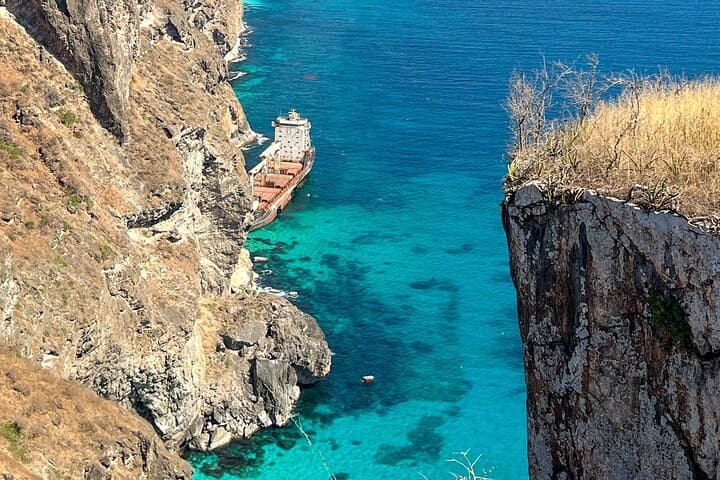
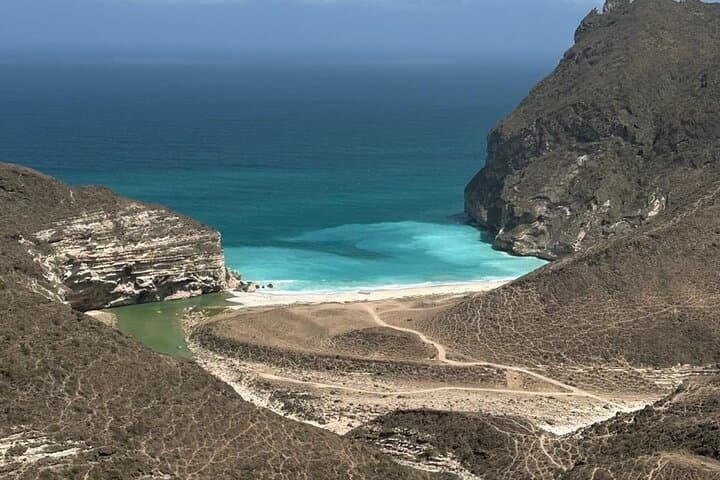
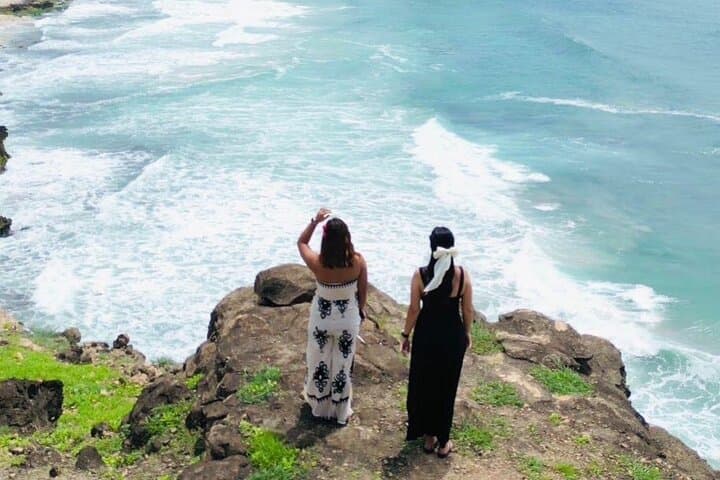
You drop off Salalah’s asphalt and the world changes: the jeep grunts over corrugated track, palms thin into arid scrub, and the Arabian Sea keeps pace to your left like a patient companion. The convoy threads cliff ledges and rocky gullies, pausing at wind-carved viewpoints where spray and light argue over the horizon.
Verified experiences and guided adventures in the surrounding area.
Operated by Arabian Travel Service · Salalah, Dhofar Governorate
You drop off Salalah’s asphalt and the world changes: the jeep grunts over corrugated track, palms thin into arid scrub, and the Arabian Sea keeps pace to your left like a patient companion. The convoy threads cliff ledges and rocky gullies, pausing at wind-carved viewpoints where spray and light argue over the horizon.
This stretch of Dhofar coast carries history in its stones — a trading corridor for frankincense for millennia — and geology that records tidal forces, sea‑carved blowholes, and the brittle limestone that frames Marneef Cave. Local culture shows up in simple ways: tea poured under a shade, Arabic spices warming a beach lunch, and the calm cadence of fishing boats at Haffa.
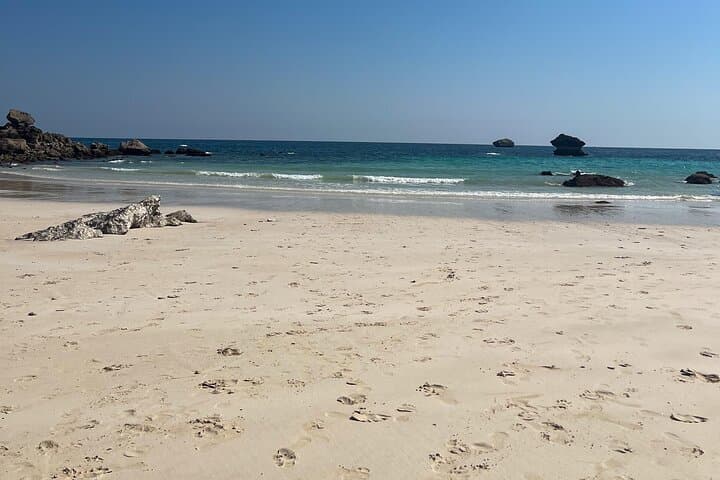
Expect varied terrain: compact sand on Haffa Beach, crumbly cliff edges at Mughsail, and the powdery, secluded sand of Fazayah. The tour’s rhythm is tactile — short walks to viewpoints, camera stops at blowholes, and down-time at a private beach setup with umbrellas and a traditional Arabic lunch.
Practical edge: bring sun protection, sturdy shoes for surf‑scoured rocks, and a light wind layer for late‑afternoon sea breezes. If you’re planning Khareef-season travel (summer monsoon), the coast can be dramatically greener and wetter; in the dry months, the beaches are stark and luminous. The route is suitable for families but can be bumpy; those with limited mobility should check vehicle access. Aim to arrive with a charged phone, a reusable water bottle, and a flexible sense of timing — coastal light and tide dictate the best photo moments.
easy.
7 hours.
Suitable for most fitness levels; involves short walks (10–30 minutes) to viewpoints and beach access.
The tour runs about 7 hours, typically departing Salalah in the early afternoon (around 1:00 PM) and returning by approximately 7:30 PM.
Yes—Fazayah Beach includes a private Arabic setup with umbrellas, refreshments and a traditional lunch provided as part of the tour.
The tour is family‑friendly and rated easy physically, but off‑road sections can be bumpy; infant seats are available and staff can advise on suitability for specific mobility needs.
Swimming is often possible in calmer conditions, but always check with guides about surf, currents and safe entry points before entering the water.
Dhofar’s coast was a historic frankincense trading route; Salalah’s ports connected the Arabian Peninsula to Africa and South Asia for centuries.
The coastal dunes and nesting beaches are sensitive—avoid disturbing vegetation and wildlife, pack out all trash, and follow guide instructions to minimize erosion and habitat disturbance.
Arabian Travel Service operates guided outdoor trips and adventures with an emphasis on safety, stewardship, and memorable experiences.
You drop off Salalah’s asphalt and the world changes: the jeep grunts over corrugated track, palms thin into arid scrub, and the Arabian Sea keeps pace to your left like a patient companion. The convoy threads cliff ledges and rocky gullies, pausing at wind-carved viewpoints where spray and light argue over the horizon.
You drop off Salalah’s asphalt and the world changes: the jeep grunts over corrugated track, palms thin into arid scrub, and the Arabian Sea keeps pace to your left like a patient companion. The convoy threads cliff ledges and rocky gullies, pausing at wind-carved viewpoints where spray and light argue over the horizon.
This stretch of Dhofar coast carries history in its stones — a trading corridor for frankincense for millennia — and geology that records tidal forces, sea‑carved blowholes, and the brittle limestone that frames Marneef Cave. Local culture shows up in simple ways: tea poured under a shade, Arabic spices warming a beach lunch, and the calm cadence of fishing boats at Haffa.
Expect varied terrain: compact sand on Haffa Beach, crumbly cliff edges at Mughsail, and the powdery, secluded sand of Fazayah. The tour’s rhythm is tactile — short walks to viewpoints, camera stops at blowholes, and down-time at a private beach setup with umbrellas and a traditional Arabic lunch.
Practical edge: bring sun protection, sturdy shoes for surf‑scoured rocks, and a light wind layer for late‑afternoon sea breezes. If you’re planning Khareef-season travel (summer monsoon), the coast can be dramatically greener and wetter; in the dry months, the beaches are stark and luminous. The route is suitable for families but can be bumpy; those with limited mobility should check vehicle access. Aim to arrive with a charged phone, a reusable water bottle, and a flexible sense of timing — coastal light and tide dictate the best photo moments.