THE ADVENTURE COLLECTIVE® · Independent discovery and booking for outdoor travel

Spend a long day from Cairo exploring Fayoum’s salt lakes, Greco-Roman ruins and the UNESCO-protected Wadi El Hitan fossil beds. This private tour mixes soft adventure, swimming options and guided archaeology for a full sensory dive into Egypt’s western desert.
Spend a long day from Cairo exploring Fayoum’s salt lakes, Greco-Roman ruins and the UNESCO-protected Wadi El Hitan fossil beds. This private tour mixes soft adventure, swimming options and guided archaeology for a full sensory dive into Egypt’s western desert.
Morning light over the western desert cuts the city blur of Cairo into a clear horizon as the road drops toward Fayoum—about 95 km of asphalt and shifting scrub. By mid-morning you’re walking among low stone walls and columns at the Greco-Roman site of Karanis, where wind-polished fragments whisper the lives of farmers and merchants who worked the Nile-fed fields.
Verified experiences and guided adventures in the surrounding area.
Operated by Egypt Select Tours · Faiyum, Faiyum Governorate
Morning light over the western desert cuts the city blur of Cairo into a clear horizon as the road drops toward Fayoum—about 95 km of asphalt and shifting scrub. By mid-morning you’re walking among low stone walls and columns at the Greco-Roman site of Karanis, where wind-polished fragments whisper the lives of farmers and merchants who worked the Nile-fed fields.
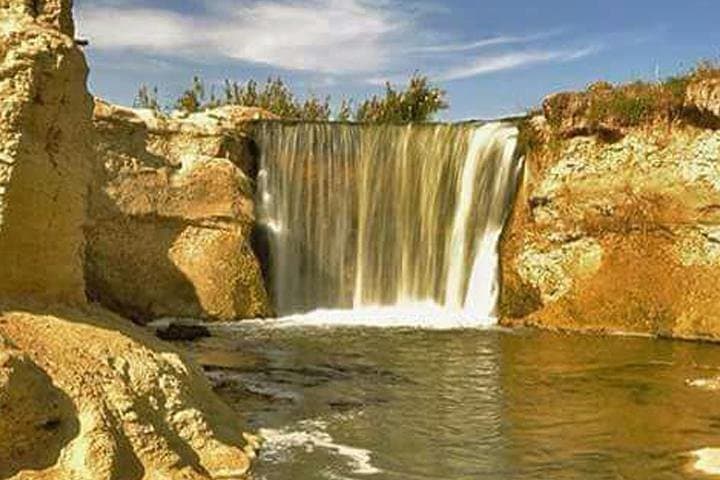
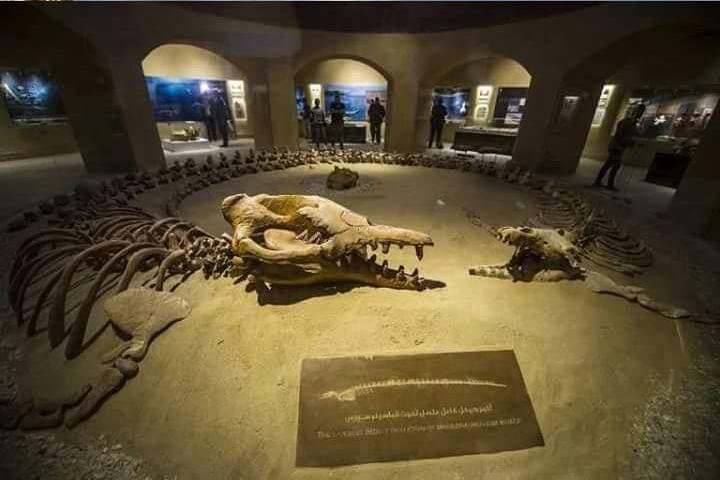
Geology here argues with time: Qarun Lake holds saline waters that reflect migrating flocks in winter, Wadi El Rayan’s lakes step down in terraces and invite swimmers, while farther southwest Wadi El Hitan displays rounded fossilized whale skeletons that prove this was once seabed. The region was a cult center for Sobek, the crocodile god, and Kom Oshim’s small museum keeps local finds from pharaonic and Roman eras.
Expect a full day: 1.5–2 hours each way from Cairo, guided walks across open-air fossil displays, short climbs to Mudawara’s layered rock, and optional swims at Rayan. The pace is gentle but the day is long—carry sun protection, at least 2 liters of water, and cash for small local fees. Comfortable closed shoes make the fossil walks easier and a lightweight jacket helps for windy afternoons.
Cultural courtesy matters: dress smart-casual for village visits, and leave no trace at fossil sites. With an Egyptologist guide, the trip pairs natural history with human stories—big bones, bigger skies, and quiet agricultural fields that still feed the valley.
easy.
12 hours.
Light to moderate fitness fine—able to handle several short walks and a long day in vehicle transit.
The tour includes guide and transport; some site admissions or local fees may not be covered—carry small cash for on-site charges.
Yes, swimming is commonly allowed in the upper and lower lakes; water conditions vary so follow your guide’s advice.
Yes, pickup and drop-off from Cairo or Giza hotels is included in the private tour service.
The itinerary is family-friendly and described as suitable for all fitness levels, but expect a long day with some walking over uneven ground.
Fayoum was a cult center for the crocodile god Sobek in pharaonic times and later hosted Greco-Roman towns like Karanis; Wadi El Hitan was designated a UNESCO World Heritage site in 2005 for its whale fossils.
Wadi El Rayan and Wadi El Hitan are protected areas—stay on established paths, avoid collecting fossils, and follow guide instructions to limit erosion and disturbance.
Egypt Select Tours operates guided outdoor trips and adventures with an emphasis on safety, stewardship, and memorable experiences.
Morning light over the western desert cuts the city blur of Cairo into a clear horizon as the road drops toward Fayoum—about 95 km of asphalt and shifting scrub. By mid-morning you’re walking among low stone walls and columns at the Greco-Roman site of Karanis, where wind-polished fragments whisper the lives of farmers and merchants who worked the Nile-fed fields.
Morning light over the western desert cuts the city blur of Cairo into a clear horizon as the road drops toward Fayoum—about 95 km of asphalt and shifting scrub. By mid-morning you’re walking among low stone walls and columns at the Greco-Roman site of Karanis, where wind-polished fragments whisper the lives of farmers and merchants who worked the Nile-fed fields.
Geology here argues with time: Qarun Lake holds saline waters that reflect migrating flocks in winter, Wadi El Rayan’s lakes step down in terraces and invite swimmers, while farther southwest Wadi El Hitan displays rounded fossilized whale skeletons that prove this was once seabed. The region was a cult center for Sobek, the crocodile god, and Kom Oshim’s small museum keeps local finds from pharaonic and Roman eras.
Expect a full day: 1.5–2 hours each way from Cairo, guided walks across open-air fossil displays, short climbs to Mudawara’s layered rock, and optional swims at Rayan. The pace is gentle but the day is long—carry sun protection, at least 2 liters of water, and cash for small local fees. Comfortable closed shoes make the fossil walks easier and a lightweight jacket helps for windy afternoons.
Cultural courtesy matters: dress smart-casual for village visits, and leave no trace at fossil sites. With an Egyptologist guide, the trip pairs natural history with human stories—big bones, bigger skies, and quiet agricultural fields that still feed the valley.