THE ADVENTURE COLLECTIVE® · Independent discovery and booking for outdoor travel

Drive out of Cairo for an eight-hour Fayoum Oasis safari that pairs UNESCO-listed whale fossils with turquoise desert lakes, waterfalls and sandboarding. Expect easy walks, 4x4 transfers, and a traditional camp lunch with Bedouin tea.
Drive out of Cairo for an eight-hour Fayoum Oasis safari that pairs UNESCO-listed whale fossils with turquoise desert lakes, waterfalls and sandboarding. Expect easy walks, 4x4 transfers, and a traditional camp lunch with Bedouin tea.
A dust-sweet wind lifts from the desert as the convoy peels away from Cairo and the rim of the Nile gives way to wide salt pans and dunes.
Verified experiences and guided adventures in the surrounding area.
Operated by Egypt Discovery Tours · Faiyum, Faiyum Governorate
A dust-sweet wind lifts from the desert as the convoy peels away from Cairo and the rim of the Nile gives way to wide salt pans and dunes.
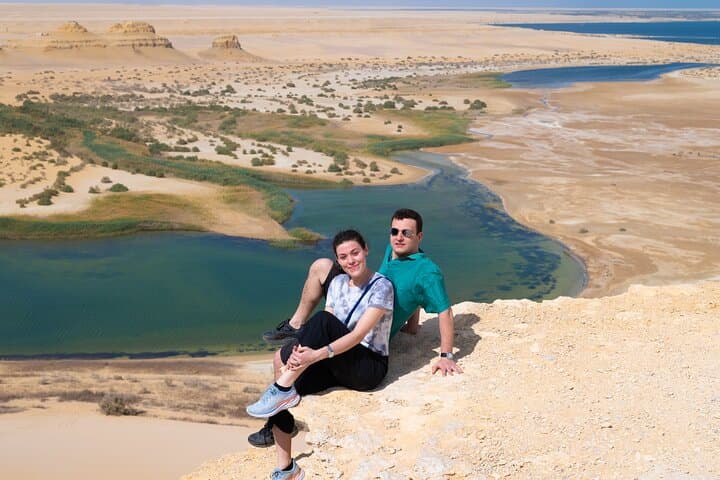
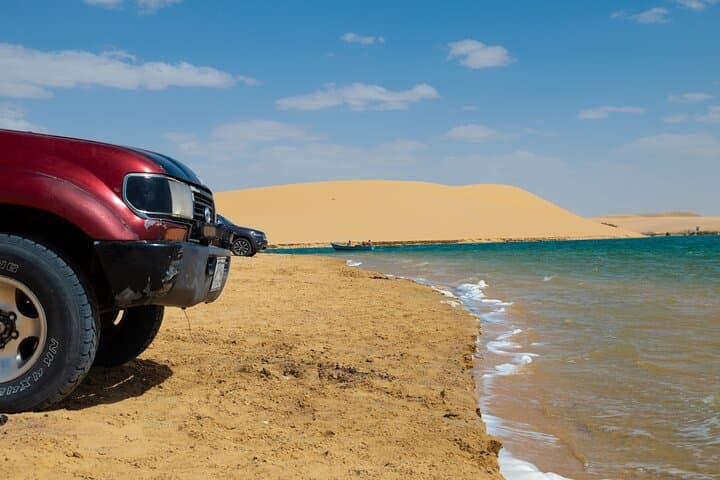
By mid-morning you arrive at Wadi El Rayan where blue-green lakes interrupt ochre flats; the water catches the sun and dares you to forget you’re in a desert. A 4x4 takes you further into Wadi Al-Hitan — the Valley of the Whales — where fossilized whale skeletons lie embedded in the limestone, quiet evidence of an ocean that once covered this land.
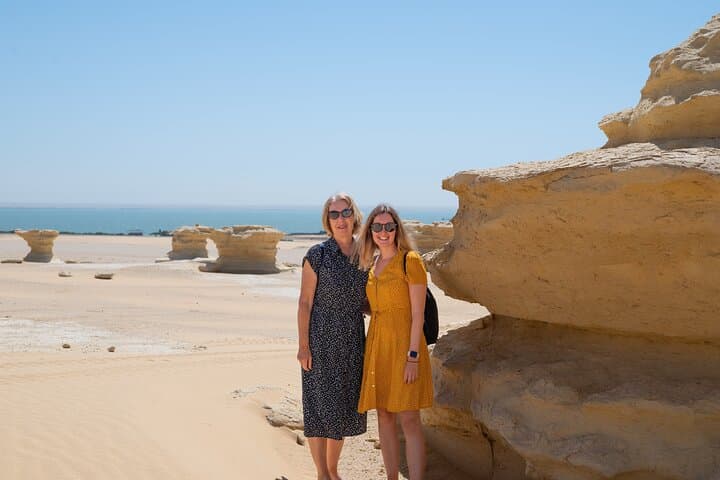
This corridor in the Fayoum Governorate carries layers of history: Eocene seabeds transformed by uplift, Pharaonic irrigation projects that shaped the modern oasis, and modern conservation under UNESCO protections. Geology here is readable — striated rock, compressed marine sediments, and sands that still shift with seasonal wind.
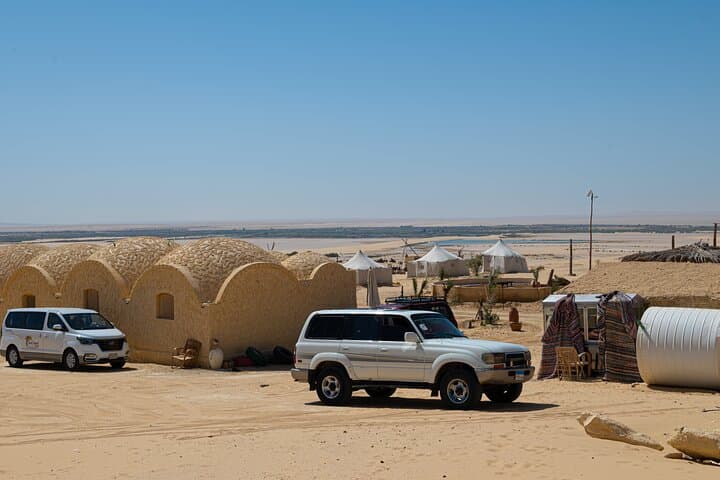
Local culture appears in small rituals: Bedouin tea with cardamom at camp, a charcoal barbecue lunch, and sandboarding taught by guides who know how the dunes move. Magic Lake and the cascading falls of Wadi El Rayan offer sudden pools for a cool dip and birdlife — migratory flocks during spring and autumn.
Practical side: the full loop is an eight-hour day with several short drives and easy walking across sandy and rocky ground. Hydrate often, wear sun protection, and expect uneven footing at fossil sites. Guides handle permits and navigation; visitors should respect delicate fossils and follow marked paths. Timing trips for morning light or late afternoon golden hour gives the best views and cooler temperatures.
easy.
8 hours.
Suitable for travelers in average physical condition; involves short, easy walks and time standing at viewpoints.
The tour runs about eight hours with pickup and drop-off in Cairo hotels; exact pickup time depends on your hotel location.
Yes—swimming is often allowed at designated spots, but follow your guide’s instructions about water depth and safety.
The tour is rated easy and suitable for most ages, though fossil sites have uneven surfaces—assistive mobility may be required for some visitors.
Admission to listed sites and entry fees are included in the tour; guides typically handle permits and logistics.
Fayoum’s landscape preserves Eocene marine sediments that fossilized early whales; the region’s agricultural basins were reshaped by ancient and modern water management.
Wadi Al-Hitan is UNESCO-protected—respect site boundaries, don’t remove fossils, and minimize waste; responsible tours support local conservation and communities.
Egypt Discovery Tours operates guided outdoor trips and adventures with an emphasis on safety, stewardship, and memorable experiences.
A dust-sweet wind lifts from the desert as the convoy peels away from Cairo and the rim of the Nile gives way to wide salt pans and dunes.
A dust-sweet wind lifts from the desert as the convoy peels away from Cairo and the rim of the Nile gives way to wide salt pans and dunes.
By mid-morning you arrive at Wadi El Rayan where blue-green lakes interrupt ochre flats; the water catches the sun and dares you to forget you’re in a desert. A 4x4 takes you further into Wadi Al-Hitan — the Valley of the Whales — where fossilized whale skeletons lie embedded in the limestone, quiet evidence of an ocean that once covered this land.
This corridor in the Fayoum Governorate carries layers of history: Eocene seabeds transformed by uplift, Pharaonic irrigation projects that shaped the modern oasis, and modern conservation under UNESCO protections. Geology here is readable — striated rock, compressed marine sediments, and sands that still shift with seasonal wind.
Local culture appears in small rituals: Bedouin tea with cardamom at camp, a charcoal barbecue lunch, and sandboarding taught by guides who know how the dunes move. Magic Lake and the cascading falls of Wadi El Rayan offer sudden pools for a cool dip and birdlife — migratory flocks during spring and autumn.
Practical side: the full loop is an eight-hour day with several short drives and easy walking across sandy and rocky ground. Hydrate often, wear sun protection, and expect uneven footing at fossil sites. Guides handle permits and navigation; visitors should respect delicate fossils and follow marked paths. Timing trips for morning light or late afternoon golden hour gives the best views and cooler temperatures.