THE ADVENTURE COLLECTIVE® · Independent discovery and booking for outdoor travel

Escape Cairo for a day to Fayoum’s lakes and the man-made falls of Wadi El-Rayan. This full-day tour combines birdwatching, a felucca ride on Birket Qarun, and easy walks to dramatic desert waterfalls.
Escape Cairo for a day to Fayoum’s lakes and the man-made falls of Wadi El-Rayan. This full-day tour combines birdwatching, a felucca ride on Birket Qarun, and easy walks to dramatic desert waterfalls.
You step out of Cairo’s rush into a wide light: desert plains folding toward the green pocket of Al-Fayoum, where saltwater lakes and reclaimed farmland break the horizon. The route threads past roadside fields and irrigation canals until Birket Qarun opens like a shallow sea, its salt-licked shoreline alive with gulls and waders.
Verified experiences and guided adventures in the surrounding area.
Operated by Deluxe Travel · Faiyum, Al Fayyum Governorate
You step out of Cairo’s rush into a wide light: desert plains folding toward the green pocket of Al-Fayoum, where saltwater lakes and reclaimed farmland break the horizon. The route threads past roadside fields and irrigation canals until Birket Qarun opens like a shallow sea, its salt-licked shoreline alive with gulls and waders.
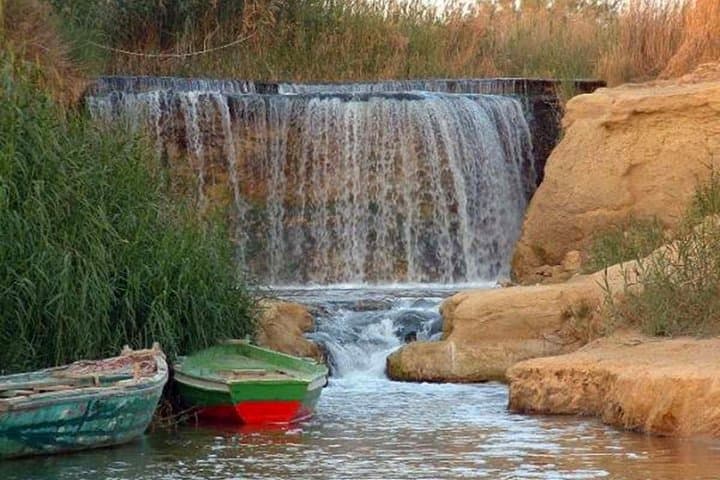
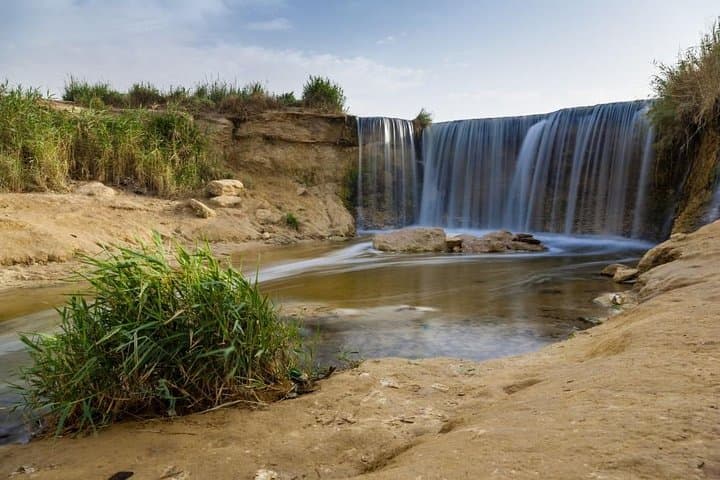
Fayoum is one of Egypt’s oldest inhabited regions, shaped by Pharaonic irrigation projects and later Roman and Coptic communities. Geologically the basin is a low-lying depression fed by Nile overflow and modern drainage; where water gathers, life concentrates. Wadi El-Rayan’s stepped, man-made waterfalls—created when agricultural runoff was guided into two large depressions—offer surprising cascades in the middle of sand and scrub.
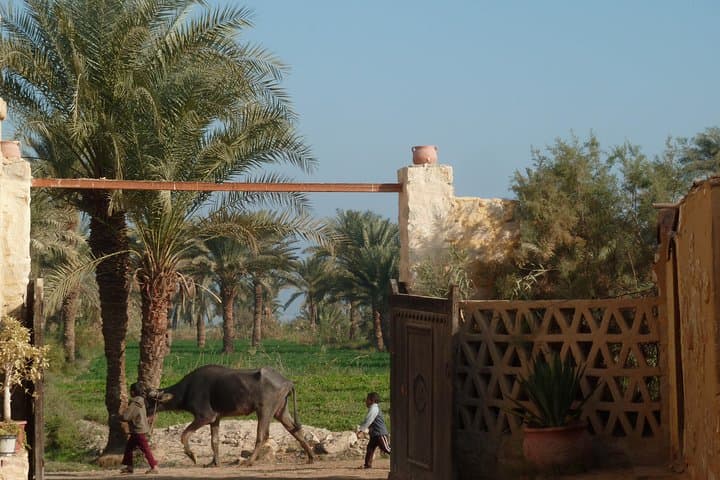
Culture here is pragmatic and slow: fishermen on feluccas, small markets selling dates and sun-baked bread, and photographers angling for flamingos at dawn. The tour typically includes a guided walk around the falls, time on a traditional felucca, and lunch at a local restaurant—useful stops to scan marsh edges for birds.
Practical notes: expect sandy trails and short, uneven walks—sturdy shoes and sun protection are essential. Bring water and binoculars if you’re keen on birding. Summer heat can be intense; plan an early start or a late-season visit. The reserve is protected—stick to paths, avoid disturbing wildlife, and carry out waste. For travelers based in Cairo, the 2–3 hour drive each way rewards with open skies, surprising waterfalls, and concentrated desert wildlife.
moderate.
8 hours.
Moderate fitness for short walks on uneven, sandy terrain and getting on/off a small boat
The transfer is about 2–3 hours each way depending on traffic; most tours allocate roughly 8 hours total.
This tour typically includes national park fees and the organized itinerary notes admission is covered.
Yes—short, calm felucca rides on Birket Qarun are family-friendly but infants should sit on laps per operator policy.
If the waterfalls are inaccessible, alternatives like Fayoum waterwheels or Ain El Selein are offered on most itineraries.
The Fayoum basin has been cultivated since Pharaonic times (ancient Lake Moeris), later shaped by Roman and Islamic-era irrigation works.
Wadi El-Rayan is a designated reserve; visitors should stay on marked routes, avoid littering, and minimize disturbance to nesting birds.
Deluxe Travel operates guided outdoor trips and adventures with an emphasis on safety, stewardship, and memorable experiences.
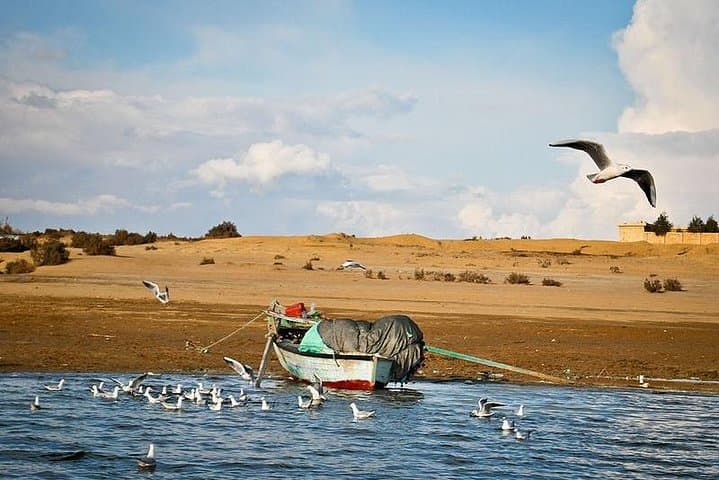
You step out of Cairo’s rush into a wide light: desert plains folding toward the green pocket of Al-Fayoum, where saltwater lakes and reclaimed farmland break the horizon. The route threads past roadside fields and irrigation canals until Birket Qarun opens like a shallow sea, its salt-licked shoreline alive with gulls and waders.
You step out of Cairo’s rush into a wide light: desert plains folding toward the green pocket of Al-Fayoum, where saltwater lakes and reclaimed farmland break the horizon. The route threads past roadside fields and irrigation canals until Birket Qarun opens like a shallow sea, its salt-licked shoreline alive with gulls and waders.
Fayoum is one of Egypt’s oldest inhabited regions, shaped by Pharaonic irrigation projects and later Roman and Coptic communities. Geologically the basin is a low-lying depression fed by Nile overflow and modern drainage; where water gathers, life concentrates. Wadi El-Rayan’s stepped, man-made waterfalls—created when agricultural runoff was guided into two large depressions—offer surprising cascades in the middle of sand and scrub.
Culture here is pragmatic and slow: fishermen on feluccas, small markets selling dates and sun-baked bread, and photographers angling for flamingos at dawn. The tour typically includes a guided walk around the falls, time on a traditional felucca, and lunch at a local restaurant—useful stops to scan marsh edges for birds.
Practical notes: expect sandy trails and short, uneven walks—sturdy shoes and sun protection are essential. Bring water and binoculars if you’re keen on birding. Summer heat can be intense; plan an early start or a late-season visit. The reserve is protected—stick to paths, avoid disturbing wildlife, and carry out waste. For travelers based in Cairo, the 2–3 hour drive each way rewards with open skies, surprising waterfalls, and concentrated desert wildlife.