THE ADVENTURE COLLECTIVE® · Independent discovery and booking for outdoor travel

Drive from Cairo into a landscape of lakes, dunes and ancient bones on a full-day Fayoum tour. Explore Wadi El Rayan’s waterfalls, stand among 40-million-year-old whale fossils at Wadi Al-Hitan, and relax at the reflective Magic Lake.
Drive from Cairo into a landscape of lakes, dunes and ancient bones on a full-day Fayoum tour. Explore Wadi El Rayan’s waterfalls, stand among 40-million-year-old whale fossils at Wadi Al-Hitan, and relax at the reflective Magic Lake.
A low sun lifts off the desert and the road out of Cairo thins into salt-flat horizons; by midmorning the air smells of hot sand and lake reed. The Fayoum day tour threads through sudden pools and dunes, stopping where water has stubbornly carved gardens into limestone and where ancient seas left whale skeletons buried in open desert.
Verified experiences and guided adventures in the surrounding area.
Operated by Dune Raider · Faiyum, Faiyum Governorate
A low sun lifts off the desert and the road out of Cairo thins into salt-flat horizons; by midmorning the air smells of hot sand and lake reed. The Fayoum day tour threads through sudden pools and dunes, stopping where water has stubbornly carved gardens into limestone and where ancient seas left whale skeletons buried in open desert.
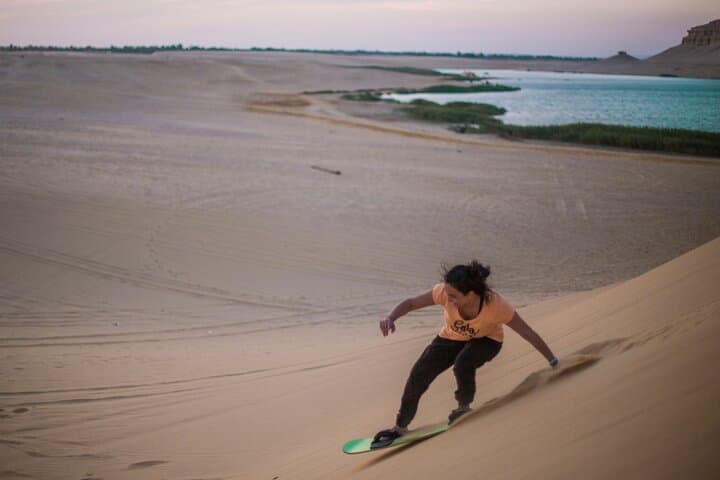
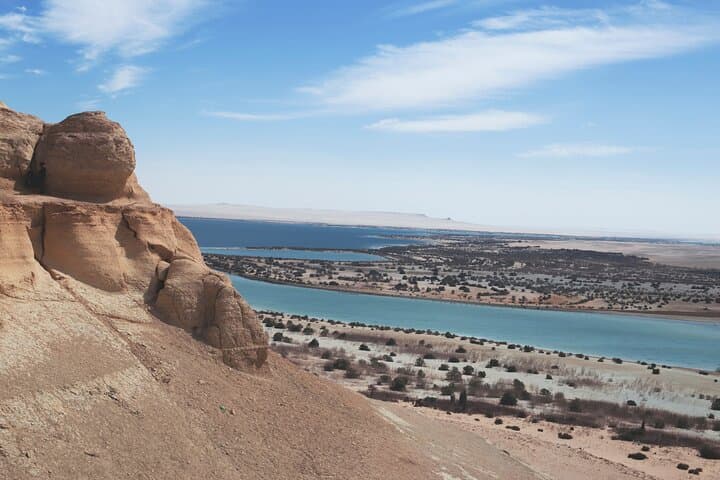
Geology here reads like a field book: Wadi Al-Hitan (Valley of the Whales) preserves 40-million-year-old marine fossils from when the Tethys Sea covered the region. Wadi El Rayan’s paired lakes and modest waterfalls are modern hydrology—groundwater and drained basin systems—shaping palm-fringed shores and sand ramps used for sandboarding. Local culture appears in small rural camps such as Qusoor Al Arab, where traditional Bedouin-style tents meet hospitality over tea.
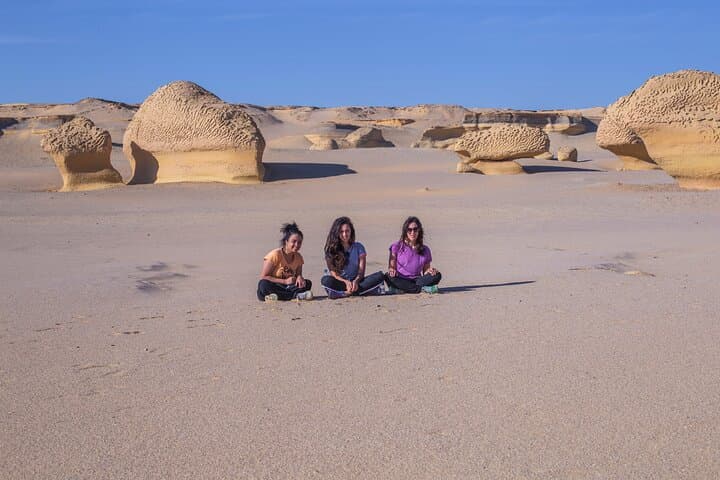
Visitors should expect short hikes on uneven, fossil-strewn ground, chance swims in spring-fed basins, and wide, wind-swept viewpoints ideal for photos. Guides commonly include entry fees, lunch, bottled water, and sandboards; travel time to and between sites is part of the full-day rhythm.
Practical edge: wear closed-toe shoes for fossils, bring sun protection and layers for morning chill, and carry small change for local stalls. Respect marked fossil areas—walking off-route damages irreplaceable specimens. Time your visit outside the harshest summer midday heat for better comfort and light.
This tour rewards with tactile geology, unexpected wetlands, and the feeling that the desert itself continues to shape and challenge anyone who pauses to look closely.
moderate.
12–14 hours.
Moderate fitness recommended—comfortable for long days with short walks, standing, and some climbing on sand or rock.
Entry fees and permits for Wadi Al-Hitan are typically included by guided tours; independent visitors should check park opening rules and pay entry at the reserve.
Swimming is commonly permitted in designated spots at Wadi El Rayan and some areas of Magic Lake, but follow guide instructions and avoid fragile shoreline habitats.
The tour is advertised as suitable for all fitness levels, but it is a long day with vehicle transfers and uneven surfaces—plan accordingly for mobility limits and sun exposure.
Spring and autumn offer milder temperatures and better light for photography; summer can be extremely hot during midday.
Wadi Al-Hitan is a UNESCO World Heritage Site preserving early whale evolution fossils from the Eocene epoch, showing how this desert was once seabed.
The fossil sites and wetlands are protected reserves—stay on marked paths, avoid collecting fossils, and follow guide briefings to limit visitor impact.
Dune Raider operates guided outdoor trips and adventures with an emphasis on safety, stewardship, and memorable experiences.
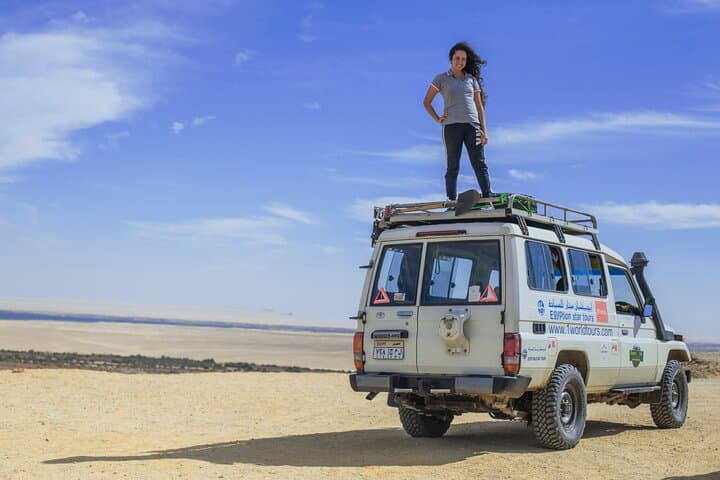
A low sun lifts off the desert and the road out of Cairo thins into salt-flat horizons; by midmorning the air smells of hot sand and lake reed. The Fayoum day tour threads through sudden pools and dunes, stopping where water has stubbornly carved gardens into limestone and where ancient seas left whale skeletons buried in open desert.
A low sun lifts off the desert and the road out of Cairo thins into salt-flat horizons; by midmorning the air smells of hot sand and lake reed. The Fayoum day tour threads through sudden pools and dunes, stopping where water has stubbornly carved gardens into limestone and where ancient seas left whale skeletons buried in open desert.
Geology here reads like a field book: Wadi Al-Hitan (Valley of the Whales) preserves 40-million-year-old marine fossils from when the Tethys Sea covered the region. Wadi El Rayan’s paired lakes and modest waterfalls are modern hydrology—groundwater and drained basin systems—shaping palm-fringed shores and sand ramps used for sandboarding. Local culture appears in small rural camps such as Qusoor Al Arab, where traditional Bedouin-style tents meet hospitality over tea.
Visitors should expect short hikes on uneven, fossil-strewn ground, chance swims in spring-fed basins, and wide, wind-swept viewpoints ideal for photos. Guides commonly include entry fees, lunch, bottled water, and sandboards; travel time to and between sites is part of the full-day rhythm.
Practical edge: wear closed-toe shoes for fossils, bring sun protection and layers for morning chill, and carry small change for local stalls. Respect marked fossil areas—walking off-route damages irreplaceable specimens. Time your visit outside the harshest summer midday heat for better comfort and light.
This tour rewards with tactile geology, unexpected wetlands, and the feeling that the desert itself continues to shape and challenge anyone who pauses to look closely.