THE ADVENTURE COLLECTIVE® · Independent discovery and booking for outdoor travel

A full-day circuit from Cairo that pairs dramatic desert lakes with world-class paleontology. Visit Wadi El-Rayan’s waterfalls and Wadi al-Hitan’s fossil fields, with guided stops and an included jeep option.
A full-day circuit from Cairo that pairs dramatic desert lakes with world-class paleontology. Visit Wadi El-Rayan’s waterfalls and Wadi al-Hitan’s fossil fields, with guided stops and an included jeep option.
You leave Cairo before dawn, the city lights thinning as the highway opens onto broad plains. By midmorning the air has a sharper, drier edge; the road dips toward a spread of water and salt flats—Lake Qarun—whose pale shorelines catch the sun like a raw map.
Verified experiences and guided adventures in the surrounding area.
Operated by Egipto Excursiones · Faiyum, Faiyum Governorate
You leave Cairo before dawn, the city lights thinning as the highway opens onto broad plains. By midmorning the air has a sharper, drier edge; the road dips toward a spread of water and salt flats—Lake Qarun—whose pale shorelines catch the sun like a raw map.
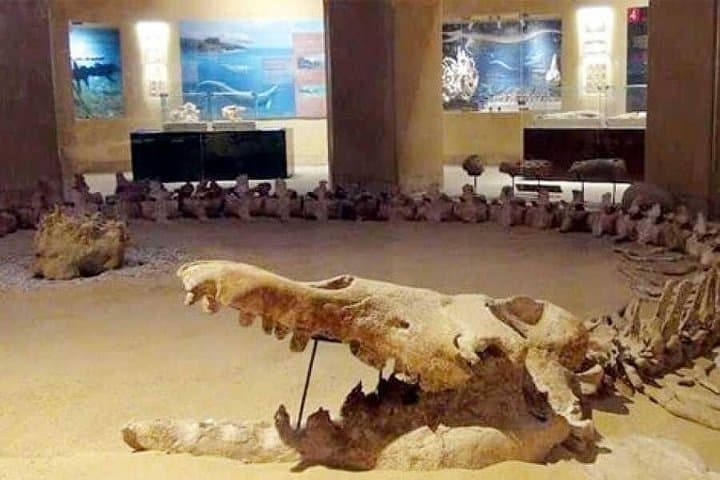
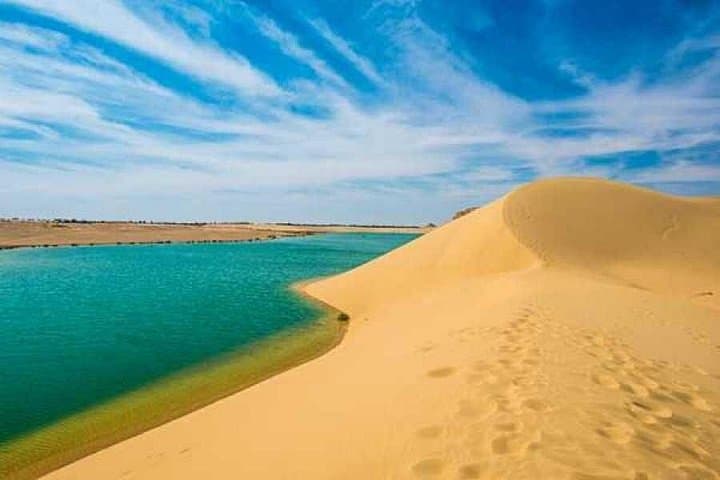
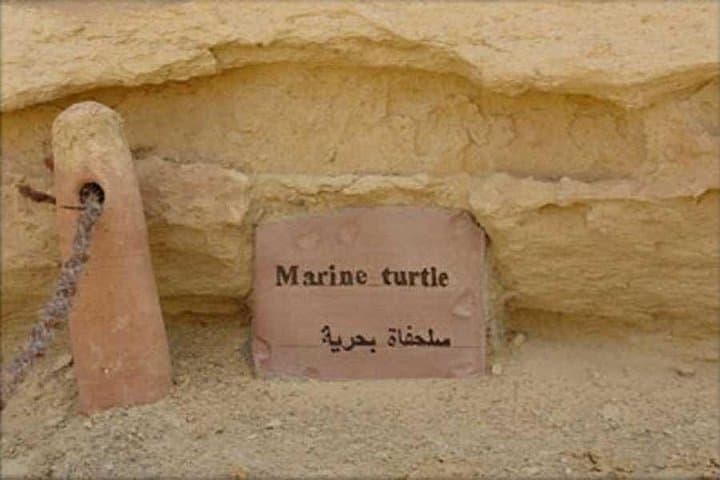
This single-day circuit moves between landscapes and deep time. Wadi El-Rayan is a modern reserve created from agricultural drainage but governed by ancient hydrology: two linked lakes, cliffs of mobile sand, and waterfalls that are the largest in Egypt. Wadi al-Hitan (Valley of the Whales) reads like a geology textbook in the open: articulated archaeocete skeletons exposed in situ, fossils that chart whales’ migration from land back to sea. Hawara Pyramid and surrounding sites layer Middle Kingdom and Greco-Roman epochs over one another, while small villages keep agricultural rhythms that date back millennia.
Expect jeep drifts across dunes, short guided walks on coarse desert trails, and camera-ready panoramas at lookout points. Guides typically handle logistics, entrance fees, and an included lunch; the vehicle is air-conditioned but stops can be exposed and sunny. Bring water and sun protection, wear sturdy shoes for uneven ground, and budget a couple of hours for each major stop to move at a relaxed pace.
Respect protected sites: fossils are legally protected and sensitive to disturbance. Timing your visit for cooler morning hours improves comfort and light for photography, and leaves space to appreciate both the reserve’s wildlife—migrant birds and desert foxes—and the region’s living culture.
easy.
10 hours.
Suitable for travelers in average physical condition; able to do short walks on uneven ground and board vehicles for transfers.
The tour is approximately 10 hours and typically departs early morning from Cairo (around 7:00 AM) to maximize cooler daylight hours.
The tour listing includes some admissions and an included jeep safari option; confirm which entry fees are covered at booking as options can vary.
The itinerary is generally suitable for families but involves some walking on uneven ground and jeep transfers; not recommended for guests with serious back or heart problems.
Yes, photography is allowed for personal use, but handling or removing fossils is prohibited to protect the site and comply with UNESCO and local regulations.
Faiyum has a layered past from Pharaonic irrigation projects through Greek and Roman occupation; Wadi al-Hitan preserves early whale evolution and the area served as a farming hinterland for ancient capitals.
Wadi El-Rayan and Wadi al-Hitan are protected under Egypt’s EEAA; visitors should follow paths, avoid collecting fossils, and minimize water and waste impacts.
Egipto Excursiones operates guided outdoor trips and adventures with an emphasis on safety, stewardship, and memorable experiences.
You leave Cairo before dawn, the city lights thinning as the highway opens onto broad plains. By midmorning the air has a sharper, drier edge; the road dips toward a spread of water and salt flats—Lake Qarun—whose pale shorelines catch the sun like a raw map.
You leave Cairo before dawn, the city lights thinning as the highway opens onto broad plains. By midmorning the air has a sharper, drier edge; the road dips toward a spread of water and salt flats—Lake Qarun—whose pale shorelines catch the sun like a raw map.
This single-day circuit moves between landscapes and deep time. Wadi El-Rayan is a modern reserve created from agricultural drainage but governed by ancient hydrology: two linked lakes, cliffs of mobile sand, and waterfalls that are the largest in Egypt. Wadi al-Hitan (Valley of the Whales) reads like a geology textbook in the open: articulated archaeocete skeletons exposed in situ, fossils that chart whales’ migration from land back to sea. Hawara Pyramid and surrounding sites layer Middle Kingdom and Greco-Roman epochs over one another, while small villages keep agricultural rhythms that date back millennia.
Expect jeep drifts across dunes, short guided walks on coarse desert trails, and camera-ready panoramas at lookout points. Guides typically handle logistics, entrance fees, and an included lunch; the vehicle is air-conditioned but stops can be exposed and sunny. Bring water and sun protection, wear sturdy shoes for uneven ground, and budget a couple of hours for each major stop to move at a relaxed pace.
Respect protected sites: fossils are legally protected and sensitive to disturbance. Timing your visit for cooler morning hours improves comfort and light for photography, and leaves space to appreciate both the reserve’s wildlife—migrant birds and desert foxes—and the region’s living culture.