THE ADVENTURE COLLECTIVE® · Independent discovery and booking for outdoor travel

Pack a light sarong and comfortable shoes for a full day sampling Ubud’s arts, coffee, rice terraces and holy spring temple. This guided loop pairs short walks with cultural stops—perfect for first‑time visitors.
Pack a light sarong and comfortable shoes for a full day sampling Ubud’s arts, coffee, rice terraces and holy spring temple. This guided loop pairs short walks with cultural stops—perfect for first‑time visitors.
You step out of the air‑conditioned minivan into a warm Balinese morning, incense from a nearby temple curling through the lane and market vendors arranging brightly dyed sarongs. The day unfolds in short chapters: a silversmith’s hammer in Celuk, a heady cup of locally roasted coffee, the royal wood carvings of Ubud Palace, stepped rice fields opening like living architecture, and the cool, ritual pools of a holy spring temple.
Verified experiences and guided adventures in the surrounding area.
Operated by Reliable Bali Driver · Ubud, Bali
You step out of the air‑conditioned minivan into a warm Balinese morning, incense from a nearby temple curling through the lane and market vendors arranging brightly dyed sarongs. The day unfolds in short chapters: a silversmith’s hammer in Celuk, a heady cup of locally roasted coffee, the royal wood carvings of Ubud Palace, stepped rice fields opening like living architecture, and the cool, ritual pools of a holy spring temple.
Ubud sits on the island’s central ridge at roughly 500 m elevation and has been a cultural hub for painters, dancers and craftsmen since the late 19th century when Western artists made it an artistic colony. Geologically the area is ancient volcanic terrace—fertile soils carved into rice paddies—and water is central to local Hindu practices; Tirta Empul (the spring temple) has been a pilgrimage site for over a thousand years.
Expect frequent short walks—0.5–2 km at each stop—on paved village roads, stepped terraces and uneven stone stairways. Terrain can turn muddy after rain at the rice fields; the waterfall requires descending steep steps. Cultural etiquette matters: cover shoulders and knees at temples and accept offerings with respect. Bring cash for market purchases and a local SIM for photos and pickup coordination.
Practical rhythm: start early to avoid heat and crowds, carry a refillable water bottle, wear grippy shoes and a light sarong or travel wrap for temple access. The tour’s 6–10 hour pace is relaxed but full; plan for brief, photo‑heavy stops and one unattended lunch window in Ubud’s center.
easy.
6–10 hours.
Light stamina for multiple short walks and stair descents; comfortable for most fitness levels.
No—there’s a scheduled lunch stop in Ubud where you can choose local restaurants; it’s not included in the tour price.
Yes; the itinerary lists admission included for the spring temple, waterfall and other POIs, though personal purchases are extra.
The tour notes stroller access, but expect stairs and uneven paths at some stops—infants may need to be carried at waterfalls and temples.
Stops typically range from 30 minutes to two hours depending on the site—coffee tasting and palace/market visits are longer, waterfall and terraces are shorter photo stops.
Ubud grew as a royal and artistic center in the early 20th century; the palace remains a focal point for Balinese dance and ceremony.
Tourism pressures can strain local water and waste systems—avoid single‑use plastics, stay on marked trails, and respect offerings and sacred spaces.
Reliable Bali Driver operates guided outdoor trips and adventures with an emphasis on safety, stewardship, and memorable experiences.

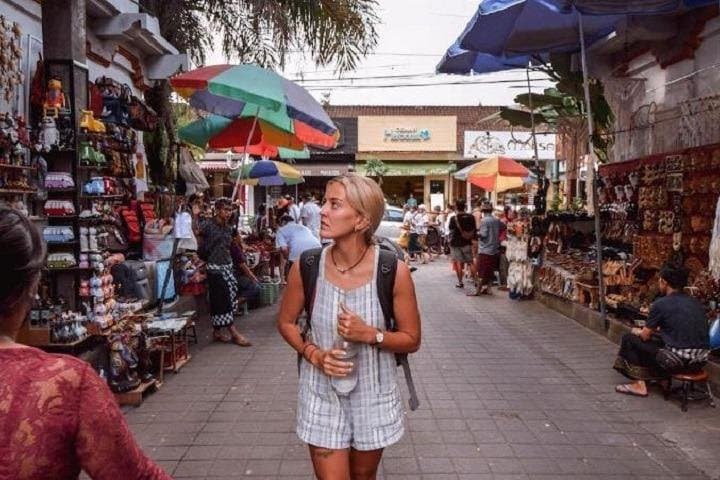


You step out of the air‑conditioned minivan into a warm Balinese morning, incense from a nearby temple curling through the lane and market vendors arranging brightly dyed sarongs. The day unfolds in short chapters: a silversmith’s hammer in Celuk, a heady cup of locally roasted coffee, the royal wood carvings of Ubud Palace, stepped rice fields opening like living architecture, and the cool, ritual pools of a holy spring temple.
You step out of the air‑conditioned minivan into a warm Balinese morning, incense from a nearby temple curling through the lane and market vendors arranging brightly dyed sarongs. The day unfolds in short chapters: a silversmith’s hammer in Celuk, a heady cup of locally roasted coffee, the royal wood carvings of Ubud Palace, stepped rice fields opening like living architecture, and the cool, ritual pools of a holy spring temple.
Ubud sits on the island’s central ridge at roughly 500 m elevation and has been a cultural hub for painters, dancers and craftsmen since the late 19th century when Western artists made it an artistic colony. Geologically the area is ancient volcanic terrace—fertile soils carved into rice paddies—and water is central to local Hindu practices; Tirta Empul (the spring temple) has been a pilgrimage site for over a thousand years.
Expect frequent short walks—0.5–2 km at each stop—on paved village roads, stepped terraces and uneven stone stairways. Terrain can turn muddy after rain at the rice fields; the waterfall requires descending steep steps. Cultural etiquette matters: cover shoulders and knees at temples and accept offerings with respect. Bring cash for market purchases and a local SIM for photos and pickup coordination.
Practical rhythm: start early to avoid heat and crowds, carry a refillable water bottle, wear grippy shoes and a light sarong or travel wrap for temple access. The tour’s 6–10 hour pace is relaxed but full; plan for brief, photo‑heavy stops and one unattended lunch window in Ubud’s center.