THE ADVENTURE COLLECTIVE® · Independent discovery and booking for outdoor travel

A compact, 3–4 hour jeep tour that brings you into Rocinha’s daily life—capoeira circles, local crafts and steep, lively streets. Expect guided cultural context, small-group access, and practical tips for visiting respectfully.
A compact, 3–4 hour jeep tour that brings you into Rocinha’s daily life—capoeira circles, local crafts and steep, lively streets. Expect guided cultural context, small-group access, and practical tips for visiting respectfully.
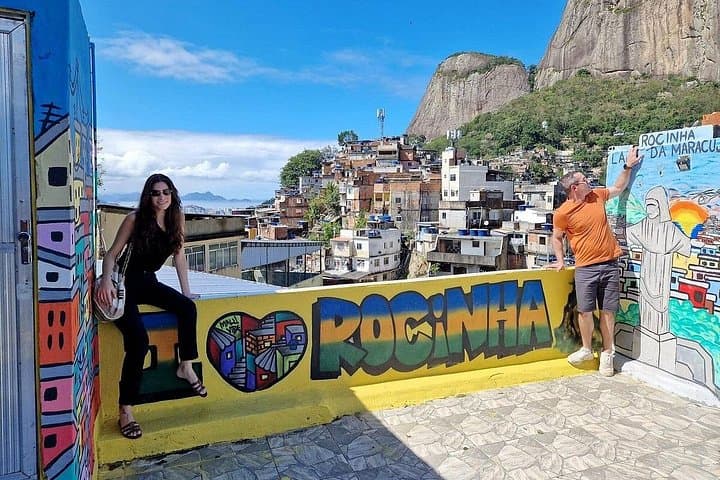
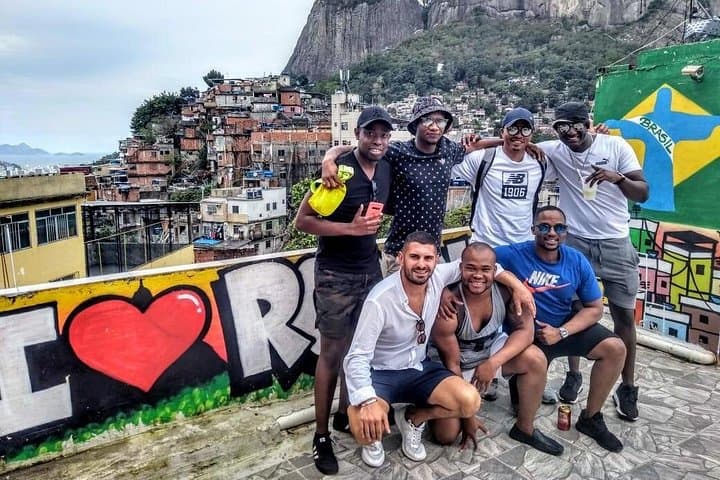
The jeep climbs a steep, patchwork hillside and the city opens behind you—tiled roofs, narrow alleys, and the distant swell of ocean. In Rocinha the streets move with purpose: vendors calling, children racing bicycles, the rhythm of capoeira echoing from a courtyard where locals gather to play, sing and spar in dance.
Verified experiences and guided adventures in the surrounding area.
Operated by ParaViajantes Tours · Rio de Janeiro, Rio de Janeiro
The jeep climbs a steep, patchwork hillside and the city opens behind you—tiled roofs, narrow alleys, and the distant swell of ocean. In Rocinha the streets move with purpose: vendors calling, children racing bicycles, the rhythm of capoeira echoing from a courtyard where locals gather to play, sing and spar in dance.
Rocinha sits on the slopes between São Conrado and Gávea, formed where the Tijuca Massif meets the coastline. What began as informal housing grew into Latin America’s largest favela, its history shaped by rural migrants, urbanization, and vibrant community networks. Geology here matters—steep grades and carved terraces define how people build, trade and move.
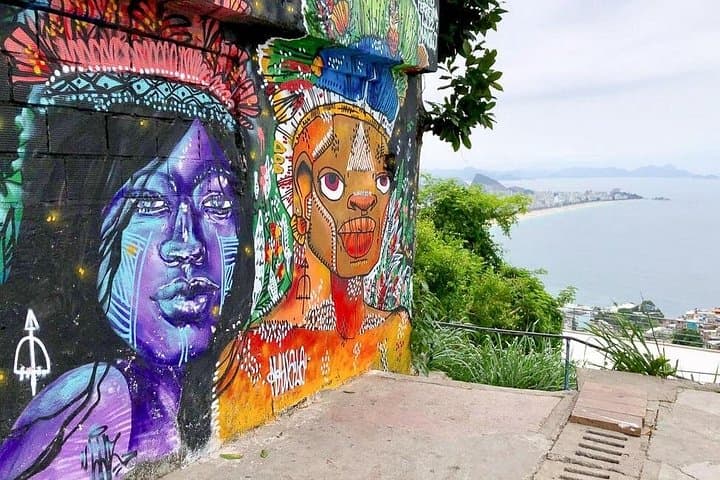
On a guided 3–4 hour jeep tour you’ll visit community projects, watch capoeira circles, and see local crafts and stores where money circulates within the neighborhood. Guides typically explain social programs, daily life, and the economic realities residents face while pointing out murals and viewpoints that frame Rio’s contrasting landscapes.
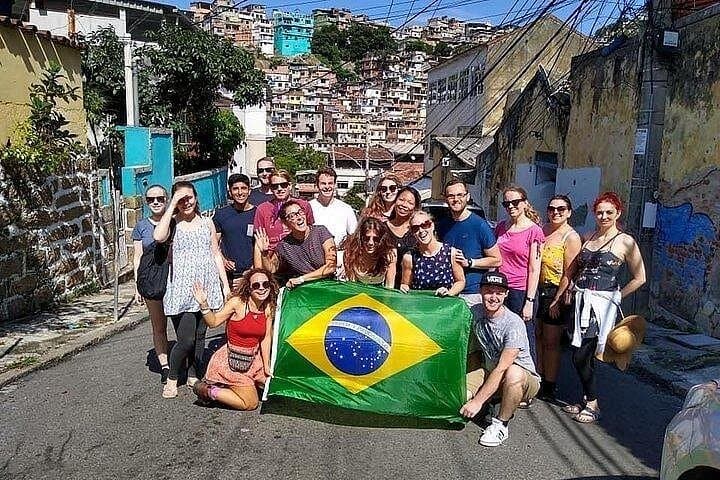
Practical notes: tours are short and small-group (about 10), include roundtrip transport, and are best taken in the morning or late afternoon to avoid peak sun. Wear sturdy, closed-toe shoes for uneven cobbles and steps, carry small bills for purchases, and always ask before photographing people. Respect private spaces, follow your guide’s route, and allow time to listen—this tour is as much about listening to local voices as it is about seeing them.
easy.
3–4 hours.
Suitable for most fitness levels; expect short walks on uneven surfaces and some stairs.
The experience runs about 3–4 hours total, including roundtrip transport from central pickup points.
Guided visits follow established routes with local guides; follow instructions, avoid photographing without permission, and stay with the group.
Yes—local crafts and small shops welcome purchases; bring small local currency and ask your guide for recommended vendors.
Children are welcome, but the terrain includes steep steps and narrow lanes; the tour notes it’s not recommended for people with serious back or heart issues or for pregnant travelers.
Rocinha grew through mid-20th-century rural-to-urban migration and informal construction on steep hillsides, evolving into a dense, self-reliant community with strong local commerce and cultural practices like capoeira.
Tour revenue often supports local businesses and social projects; visitors should minimize waste, avoid single-use plastics, and support licensed community initiatives.
ParaViajantes Tours operates guided outdoor trips and adventures with an emphasis on safety, stewardship, and memorable experiences.
The jeep climbs a steep, patchwork hillside and the city opens behind you—tiled roofs, narrow alleys, and the distant swell of ocean. In Rocinha the streets move with purpose: vendors calling, children racing bicycles, the rhythm of capoeira echoing from a courtyard where locals gather to play, sing and spar in dance.
The jeep climbs a steep, patchwork hillside and the city opens behind you—tiled roofs, narrow alleys, and the distant swell of ocean. In Rocinha the streets move with purpose: vendors calling, children racing bicycles, the rhythm of capoeira echoing from a courtyard where locals gather to play, sing and spar in dance.
Rocinha sits on the slopes between São Conrado and Gávea, formed where the Tijuca Massif meets the coastline. What began as informal housing grew into Latin America’s largest favela, its history shaped by rural migrants, urbanization, and vibrant community networks. Geology here matters—steep grades and carved terraces define how people build, trade and move.
On a guided 3–4 hour jeep tour you’ll visit community projects, watch capoeira circles, and see local crafts and stores where money circulates within the neighborhood. Guides typically explain social programs, daily life, and the economic realities residents face while pointing out murals and viewpoints that frame Rio’s contrasting landscapes.
Practical notes: tours are short and small-group (about 10), include roundtrip transport, and are best taken in the morning or late afternoon to avoid peak sun. Wear sturdy, closed-toe shoes for uneven cobbles and steps, carry small bills for purchases, and always ask before photographing people. Respect private spaces, follow your guide’s route, and allow time to listen—this tour is as much about listening to local voices as it is about seeing them.