THE ADVENTURE COLLECTIVE® · Independent discovery and booking for outdoor travel

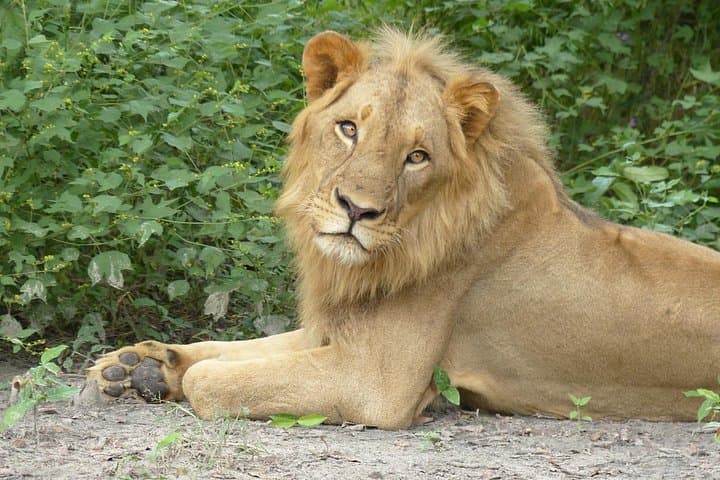
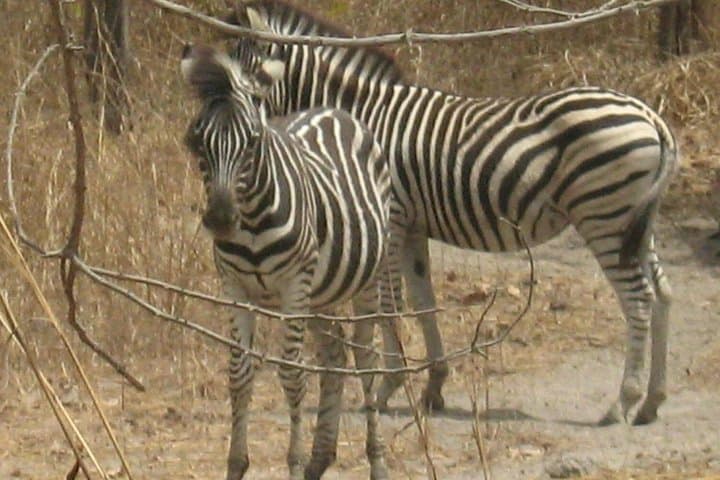
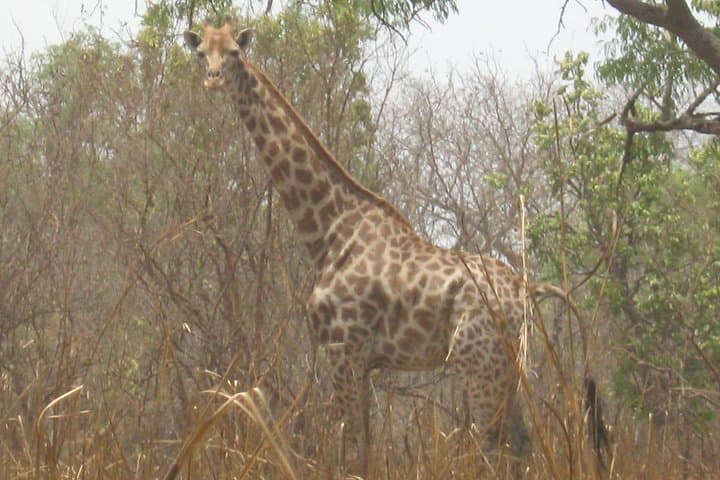
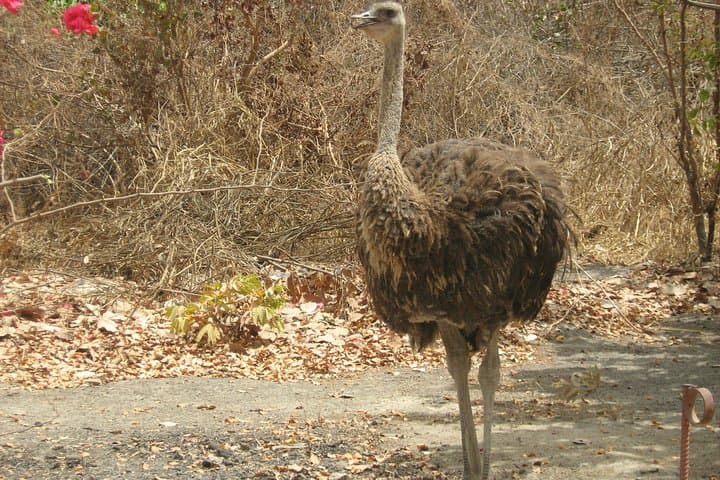
Cross the Banjul–Barra ferry, ride a land rover across Senegalese savanna, and track giraffe, rhino, zebra and ostrich at Fathala Reserve. This full-day outing blends cultural glimpses with dedicated wildlife viewing and a long but rewarding travel day.
Cross the Banjul–Barra ferry, ride a land rover across Senegalese savanna, and track giraffe, rhino, zebra and ostrich at Fathala Reserve. This full-day outing blends cultural glimpses with dedicated wildlife viewing and a long but rewarding travel day.
The diesel cough of the land rover, a ribbon of sky above the ferry, and the river pulling at the hull—this is how the day begins when you leave Banjul for Senegal.
Verified experiences and guided adventures in the surrounding area.
Operated by Black & White Safari · Banjul, Banjul
The diesel cough of the land rover, a ribbon of sky above the ferry, and the river pulling at the hull—this is how the day begins when you leave Banjul for Senegal.
You cross the Gambia River amid local trade and chatter, then bump along laterite tracks toward Fathala, a private wildlife reserve where grassland and gallery forest give way to wide, watchful plains. Giraffes stretch like living landmarks; rhinos root in the scrub; zebras and antelope pattern the horizon. The landscape here is shaped by coastal sediments and a seasonal pulse of rain and drought, which concentrates wildlife and makes sightings more predictable at certain times of year.
Culturally the route ties two worlds: Gambian river communities and Senegalese villages where market life and handicraft traditions still orient daily schedules. Fathala itself grew as a conservation and eco-tourism project, blending habitat protection with community benefits.
Practically, expect a long day—many hours of driving punctuated by game drives on bumpy tracks and short guided walks. Bring binoculars, sun protection and a sense of patience: the ferry crossing is part of the experience, and border formalities can add minutes. Wear sturdy shoes for rocky viewing points, and carry cash for small purchases and tips in villages.
Photography rewards those who move slowly; guides know where animals concentrate but sightings aren’t guaranteed. Plan to hydrate, protect skin from tropical sun, and arrive ready for a full, immersive day where travel itself is as revealing as the wildlife.
moderate.
8–10 hours.
Suitable for walkers of average fitness; long periods in vehicle and short uneven walks at viewing points
Most nationalities require a passport; visa rules vary—check current entry requirements before travel and carry your passport during the crossing.
No—guides are experienced and know animal locations, but wildlife sightings depend on season, time of day and animal behavior.
The Banjul–Barra ferry is functional and busy; hand luggage and small bags travel easily but expect crowds and basic facilities.
There is a minimum height restriction of 1.5 metres for the lion walk; confirm age and safety rules with the operator when booking.
The crossing between Banjul and Barra has long been a commercial lifeline; Fathala was developed as a private reserve combining conservation with local economic support.
Support for community-based tourism helps fund anti-poaching and habitat restoration; visitors should stay on designated routes and avoid feeding wildlife.
Black & White Safari operates guided outdoor trips and adventures with an emphasis on safety, stewardship, and memorable experiences.
The diesel cough of the land rover, a ribbon of sky above the ferry, and the river pulling at the hull—this is how the day begins when you leave Banjul for Senegal.
The diesel cough of the land rover, a ribbon of sky above the ferry, and the river pulling at the hull—this is how the day begins when you leave Banjul for Senegal.
You cross the Gambia River amid local trade and chatter, then bump along laterite tracks toward Fathala, a private wildlife reserve where grassland and gallery forest give way to wide, watchful plains. Giraffes stretch like living landmarks; rhinos root in the scrub; zebras and antelope pattern the horizon. The landscape here is shaped by coastal sediments and a seasonal pulse of rain and drought, which concentrates wildlife and makes sightings more predictable at certain times of year.
Culturally the route ties two worlds: Gambian river communities and Senegalese villages where market life and handicraft traditions still orient daily schedules. Fathala itself grew as a conservation and eco-tourism project, blending habitat protection with community benefits.
Practically, expect a long day—many hours of driving punctuated by game drives on bumpy tracks and short guided walks. Bring binoculars, sun protection and a sense of patience: the ferry crossing is part of the experience, and border formalities can add minutes. Wear sturdy shoes for rocky viewing points, and carry cash for small purchases and tips in villages.
Photography rewards those who move slowly; guides know where animals concentrate but sightings aren’t guaranteed. Plan to hydrate, protect skin from tropical sun, and arrive ready for a full, immersive day where travel itself is as revealing as the wildlife.