THE ADVENTURE COLLECTIVE® · Independent discovery and booking for outdoor travel

Two days of high-speed rail and private driving link Delhi with two of India’s most iconic cities: the Taj Mahal in Agra and the palaces of Jaipur. This compact, guided itinerary balances efficient transit with focused sightseeing at major monuments.
Two days of high-speed rail and private driving link Delhi with two of India’s most iconic cities: the Taj Mahal in Agra and the palaces of Jaipur. This compact, guided itinerary balances efficient transit with focused sightseeing at major monuments.
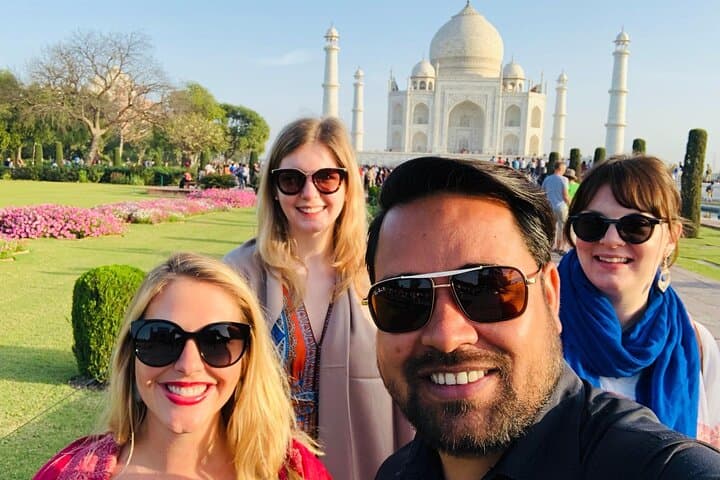
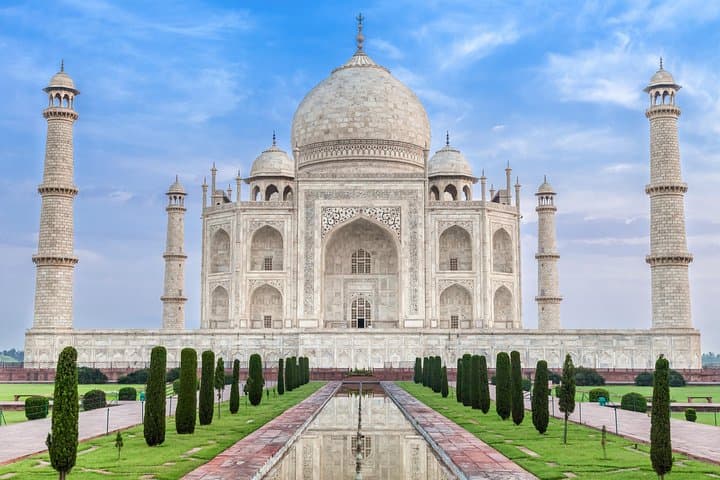
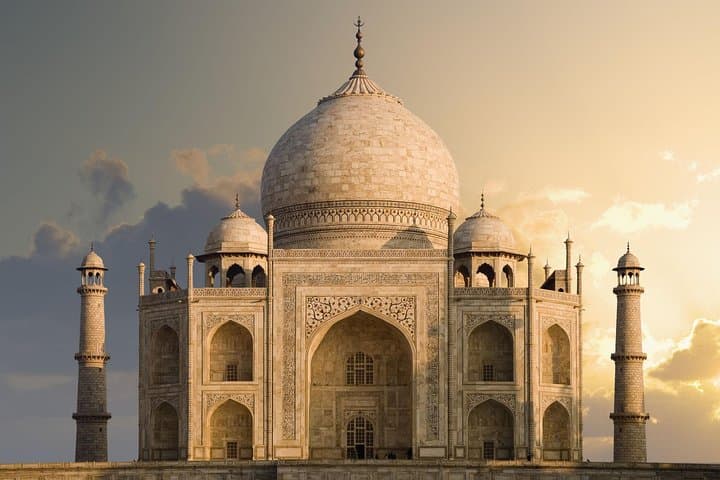
The trip starts before sunrise on a Delhi platform: a crowd-streaked sky, platform announcements, and the bright, efficient line of the Shatabdi or Vande Bharat waiting to push you two hours south to Agra. From the train window fields and small towns slide by; at Agra you step into Mughal stonework and the hush that meets the Taj Mahal’s marble face.
Verified experiences and guided adventures in the surrounding area.
Operated by The Taj Wonder Tours · New Delhi, Delhi
The trip starts before sunrise on a Delhi platform: a crowd-streaked sky, platform announcements, and the bright, efficient line of the Shatabdi or Vande Bharat waiting to push you two hours south to Agra. From the train window fields and small towns slide by; at Agra you step into Mughal stonework and the hush that meets the Taj Mahal’s marble face.
The route stitches together Mughal and Rajput histories: the Taj Mahal’s white marble inlay and funerary gardens, the red-sandstone ramparts of Agra Fort, then the ochre lanes and fortified palaces of Jaipur—Amber Fort perches above Maota Lake, Hawa Mahal’s lattice watches the city below, and Jantar Mantar charts royal astronomy.
Geologically the Gangetic plains give way to older Vindhyan and Aravalli influences around Jaipur; culturally you’ll see crafts—stone inlay, block-printed textiles, and brassware—rooted in centuries of imperial patronage. Local guides explain architectural symbolism and the practicalities of royal city planning from the 18th century.
Practically: plan for early starts, moderate walking on uneven pavements and steps, and timed entry at major monuments. Trains cover Delhi–Agra in about 2 hours; Agra–Jaipur by road is roughly 240 km and 4–5 hours depending on traffic. Carry sun protection, photocopies of ID for monument entry, and small cash for market stalls. Expect guided visits to Taj Mahal, Agra Fort, Amber Fort, City Palace, Jantar Mantar, Hawa Mahal, and brief stops at Jal Mahal and Panna Meena ka Kund.
This compact itinerary is best for travelers who want efficient transit between iconic sites without overnight hops at every stop—intense, tangible, and rich in architectural detail.
easy.
2 days (approx. 48 hours).
Suitable for travelers in average fitness; involves standing, walking on uneven steps, and short climbs at forts.
Superfast trains like Shatabdi or Vande Bharat take about 2 hours; Gatimaan Express is about 100–120 minutes depending on the service.
This itinerary notes monument visits with local guide accompaniment; confirm whether entrance fees are included when booking as policies can vary.
Yes—operators typically offer flexibility with pickup times and can switch to road transfer if selected slots aren't available.
Many areas are accessible but some monuments have steps and uneven surfaces; wheelchair access is possible in parts but ask the operator about specific site restrictions.
The tour traces Mughal funerary architecture in Agra (16th–17th centuries) and the planned urban geometry of Jaipur, founded by Sawai Jai Singh II in 1727.
High visitor numbers strain monuments; follow local guidance on designated paths and avoid touching marble inlay to minimize wear.
The Taj Wonder Tours operates guided outdoor trips and adventures with an emphasis on safety, stewardship, and memorable experiences.

The trip starts before sunrise on a Delhi platform: a crowd-streaked sky, platform announcements, and the bright, efficient line of the Shatabdi or Vande Bharat waiting to push you two hours south to Agra. From the train window fields and small towns slide by; at Agra you step into Mughal stonework and the hush that meets the Taj Mahal’s marble face.
The trip starts before sunrise on a Delhi platform: a crowd-streaked sky, platform announcements, and the bright, efficient line of the Shatabdi or Vande Bharat waiting to push you two hours south to Agra. From the train window fields and small towns slide by; at Agra you step into Mughal stonework and the hush that meets the Taj Mahal’s marble face.
The route stitches together Mughal and Rajput histories: the Taj Mahal’s white marble inlay and funerary gardens, the red-sandstone ramparts of Agra Fort, then the ochre lanes and fortified palaces of Jaipur—Amber Fort perches above Maota Lake, Hawa Mahal’s lattice watches the city below, and Jantar Mantar charts royal astronomy.
Geologically the Gangetic plains give way to older Vindhyan and Aravalli influences around Jaipur; culturally you’ll see crafts—stone inlay, block-printed textiles, and brassware—rooted in centuries of imperial patronage. Local guides explain architectural symbolism and the practicalities of royal city planning from the 18th century.
Practically: plan for early starts, moderate walking on uneven pavements and steps, and timed entry at major monuments. Trains cover Delhi–Agra in about 2 hours; Agra–Jaipur by road is roughly 240 km and 4–5 hours depending on traffic. Carry sun protection, photocopies of ID for monument entry, and small cash for market stalls. Expect guided visits to Taj Mahal, Agra Fort, Amber Fort, City Palace, Jantar Mantar, Hawa Mahal, and brief stops at Jal Mahal and Panna Meena ka Kund.
This compact itinerary is best for travelers who want efficient transit between iconic sites without overnight hops at every stop—intense, tangible, and rich in architectural detail.