THE ADVENTURE COLLECTIVE® · Independent discovery and booking for outdoor travel

Skip the lines and step into Rome’s best-preserved ancient monument. Learn what to expect inside the Pantheon — from the oculus’s light to practical tips for timing, dress, and how long to plan for your visit.
Skip the lines and step into Rome’s best-preserved ancient monument. Learn what to expect inside the Pantheon — from the oculus’s light to practical tips for timing, dress, and how long to plan for your visit.
The doorway opens onto a cool circle of shadow and light: marble floors, Corinthian columns, and a single oculus above that lets daylight arc across the rotunda like a slow sundial daring visitors to look up.
Verified experiences and guided adventures in the surrounding area.
Operated by Trip Knox Ltd · Rome, Lazio
The doorway opens onto a cool circle of shadow and light: marble floors, Corinthian columns, and a single oculus above that lets daylight arc across the rotunda like a slow sundial daring visitors to look up.
The Pantheon began as a Roman temple (c. 118–125 CE) and later became a Christian church, which is why it’s survived in remarkable condition. Its dome — the largest unreinforced concrete dome in the world — is a structural achievement born of Roman concrete technology and graduated coffering that reduces weight without losing dignity.
Nearby streets hum with espresso and scooters; a short step away, medieval and Renaissance layers of Rome reveal themselves in churches, piazzas, and tucked-away courtyards. Architects and history buffs will note the church’s funerary monuments and the 17th-century additions that turned an imperial shrine into a living parish.
Practical guidance: book a timed, skip-the-line ticket to avoid long queues, especially in summer when heat and crowds converge. Plan 45–90 minutes inside to move through the main interior, photograph the oculus, and read inscriptions. Respect the building’s role as an active church — quiet voices, modest clothing, and no commercial tripods during services. Wear comfortable shoes: the stone floor is uneven and can be slippery when wet.
Combine a Pantheon visit with the nearby Piazza Navona or the Church of Santa Maria sopra Minerva (a short walk) to make the most of a compact Rome itinerary. Early morning visits catch the first shafts of light; late afternoons deliver softer photos and fewer tour groups.
easy.
1–3 hours.
Minimal fitness required; expect standing and short walks on uneven stone floors
Yes; while the Pantheon historically had free access at times, current entry often requires a timed ticket — check the operator for the latest policy.
Visits typically last 45–90 minutes, which allows time to view the interior, take photos, and read key inscriptions.
The interior is largely flat but there are small steps at the entrance; accessibility can vary, so contact staff ahead for assistance.
This ticket provides entry only; guided tours or audio guides may be available separately through other operators or official onsite services.
Built in the early 2nd century CE, the Pantheon’s dome is a landmark of Roman concrete engineering that has influenced Western architecture for centuries.
Visitor flow is actively managed to protect ancient marble and frescoes; avoid touching surfaces and follow signage to minimize wear on historic fabric.
Trip Knox Ltd operates guided outdoor trips and adventures with an emphasis on safety, stewardship, and memorable experiences.
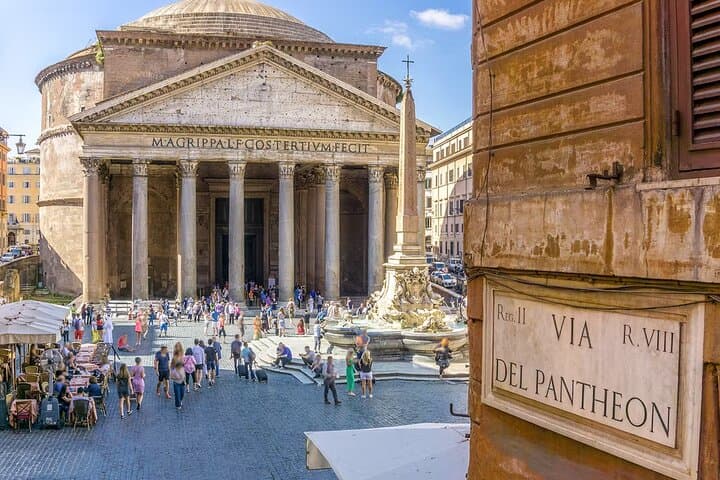
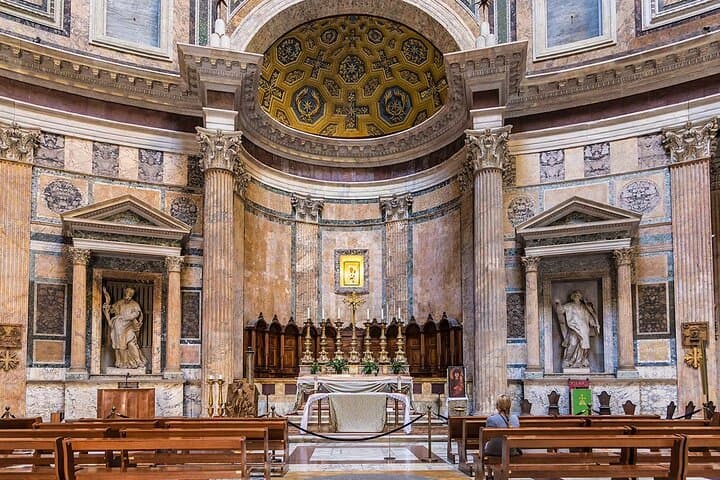
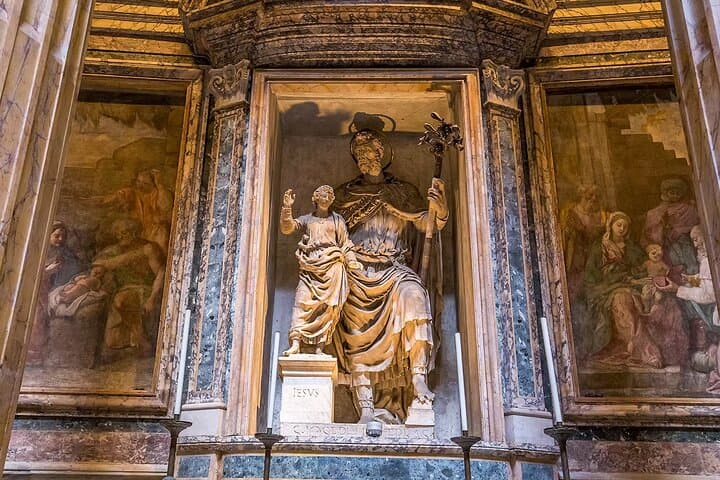
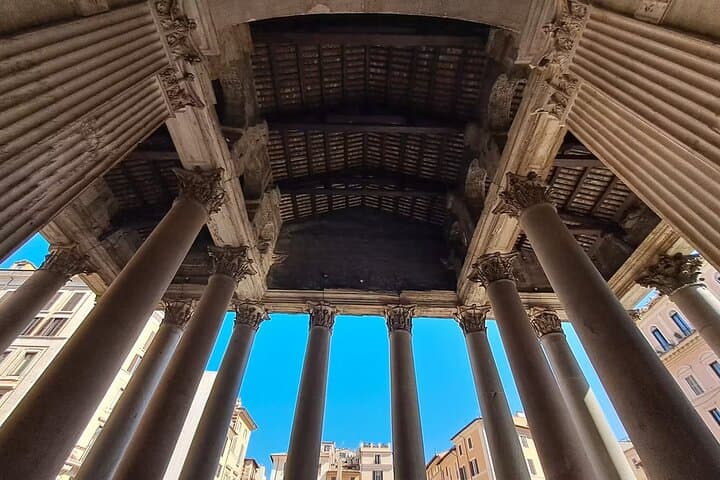
The doorway opens onto a cool circle of shadow and light: marble floors, Corinthian columns, and a single oculus above that lets daylight arc across the rotunda like a slow sundial daring visitors to look up.
The doorway opens onto a cool circle of shadow and light: marble floors, Corinthian columns, and a single oculus above that lets daylight arc across the rotunda like a slow sundial daring visitors to look up.
The Pantheon began as a Roman temple (c. 118–125 CE) and later became a Christian church, which is why it’s survived in remarkable condition. Its dome — the largest unreinforced concrete dome in the world — is a structural achievement born of Roman concrete technology and graduated coffering that reduces weight without losing dignity.
Nearby streets hum with espresso and scooters; a short step away, medieval and Renaissance layers of Rome reveal themselves in churches, piazzas, and tucked-away courtyards. Architects and history buffs will note the church’s funerary monuments and the 17th-century additions that turned an imperial shrine into a living parish.
Practical guidance: book a timed, skip-the-line ticket to avoid long queues, especially in summer when heat and crowds converge. Plan 45–90 minutes inside to move through the main interior, photograph the oculus, and read inscriptions. Respect the building’s role as an active church — quiet voices, modest clothing, and no commercial tripods during services. Wear comfortable shoes: the stone floor is uneven and can be slippery when wet.
Combine a Pantheon visit with the nearby Piazza Navona or the Church of Santa Maria sopra Minerva (a short walk) to make the most of a compact Rome itinerary. Early morning visits catch the first shafts of light; late afternoons deliver softer photos and fewer tour groups.