THE ADVENTURE COLLECTIVE® · Independent discovery and booking for outdoor travel

Cover Cairo’s Egyptian Museum and Giza’s pyramids, then fly to Luxor to walk Karnak, Hatshepsut’s temple and the Valley of the Kings — all in a compact 48-hour private tour from Sharm el Sheikh. Expect early starts, guided transfers, and concentrated sightseeing on uneven stone terrain.
Cover Cairo’s Egyptian Museum and Giza’s pyramids, then fly to Luxor to walk Karnak, Hatshepsut’s temple and the Valley of the Kings — all in a compact 48-hour private tour from Sharm el Sheikh. Expect early starts, guided transfers, and concentrated sightseeing on uneven stone terrain.
A gray pre-dawn shuttle pulls away from a Sharm el Sheikh hotel and the Red Sea still holds night. You pass inlet lights and, within an hour, climb aboard a short domestic flight that folds the Sinai into the map — Cairo’s skyline opens with minarets and the distant silhouette of the Pyramids, then a second flight carries you down the Nile corridor to Luxor’s flat, ochre horizon.
Verified experiences and guided adventures in the surrounding area.
Operated by Dahab Safari Day Tours · Sharm el Sheikh, South Sinai
A gray pre-dawn shuttle pulls away from a Sharm el Sheikh hotel and the Red Sea still holds night. You pass inlet lights and, within an hour, climb aboard a short domestic flight that folds the Sinai into the map — Cairo’s skyline opens with minarets and the distant silhouette of the Pyramids, then a second flight carries you down the Nile corridor to Luxor’s flat, ochre horizon.
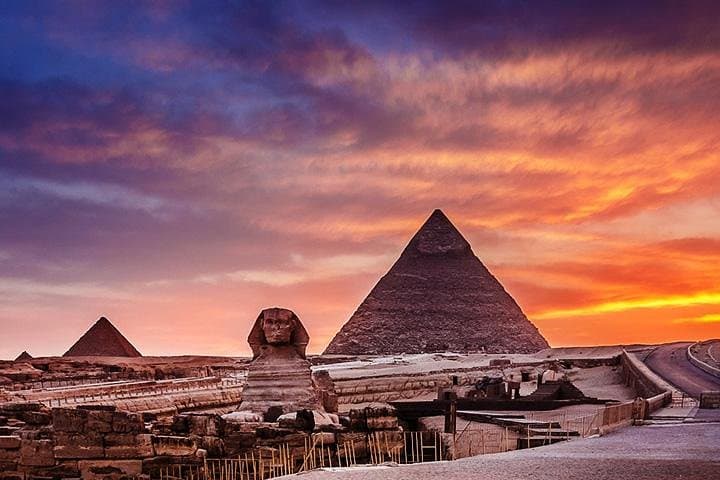
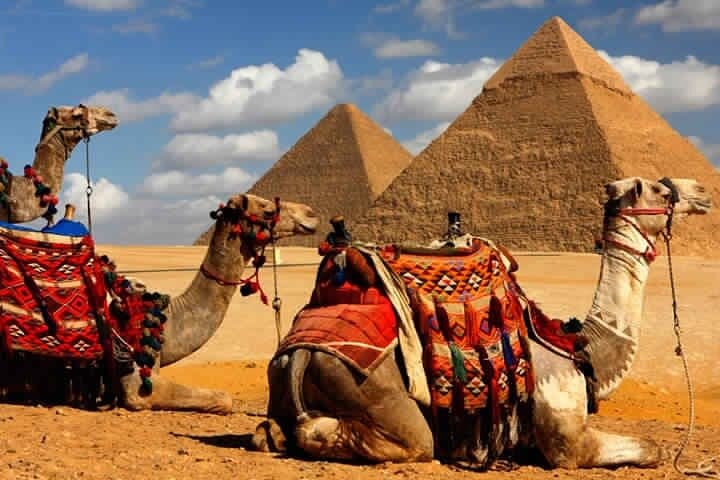
This two-day loop compresses five millennia of Egyptian history into a tight itinerary: Cairo’s Egyptian Museum houses Tutankhamen’s treasures and layered funerary art; the Giza plateau presents the three great pyramids and the sphinx hewn from limestone bedrock laid down in the Paleogene. In Luxor visitors step into Karnak’s avenue of columns, the compact ceremonial geometry of Queen Hatshepsut’s mortuary temple, and the painted tombs of the Valley of the Kings carved into limestone hills beside the Nile’s floodplain.
Practical travel notes are the backbone here: expect early mornings, airport transfers, and concentrated walking on uneven surfaces and stone steps. Respect dress norms at religious sites, keep passport and ticket copies handy, and budget time for security queues and short shopping stops in perfumery and papyrus workshops.
For day-two archaeology, bring sun protection and a small daypack; tomb interiors stay cool but have low ceilings and tight stairways. Guides usually handle tickets and timed transfers; travelers should carry local cash for tips, small purchases, and museum extras. When done, the Nile’s long slow current seems to dare you to slow your own pace — even on a whirlwind trip.
moderate.
2 days.
Moderate fitness for 2–4 hours of walking per day, stair negotiation and standing during museum visits
Flights run about 50 minutes Sharm–Cairo and roughly 1 hour Cairo–Luxor; allow extra time for airport transfers and security.
According to the itinerary, key admissions and lunches are included, and the guide manages logistics during site visits.
This tour involves walking on uneven surfaces and staircases in tombs and temples; those with limited mobility should contact the operator before booking.
Yes — short shopping stops at perfume and papyrus shops are scheduled; bring local cash for small purchases.
Cairo and Luxor represent different eras of pharaonic power: Giza’s Old Kingdom pyramids and Luxor’s New Kingdom mortuary complexes reflect evolving royal funerary practices over millennia.
High visitor numbers stress fragile painted tombs and temple stones; follow guide instructions, avoid touching reliefs, and reduce plastic use to lessen local environmental impact.
Dahab Safari Day Tours operates guided outdoor trips and adventures with an emphasis on safety, stewardship, and memorable experiences.
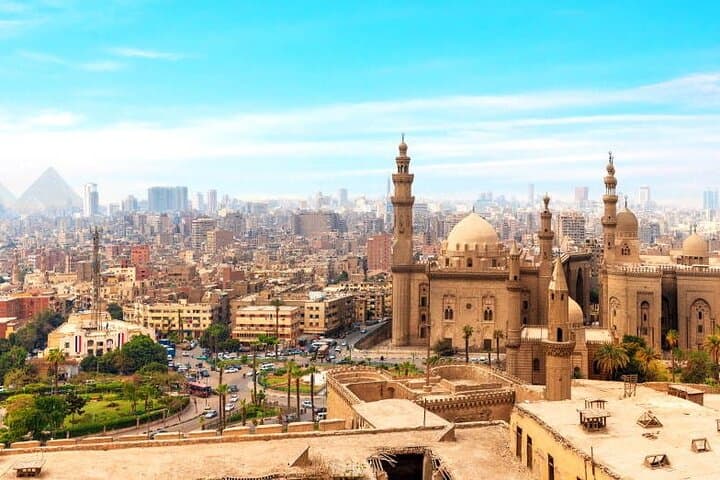
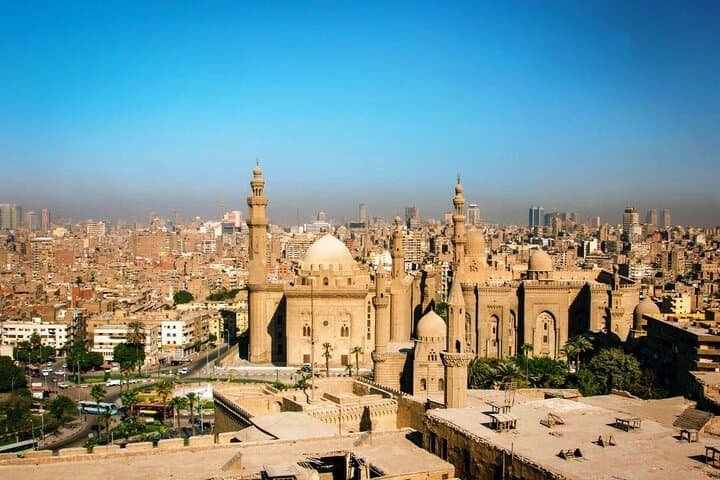
A gray pre-dawn shuttle pulls away from a Sharm el Sheikh hotel and the Red Sea still holds night. You pass inlet lights and, within an hour, climb aboard a short domestic flight that folds the Sinai into the map — Cairo’s skyline opens with minarets and the distant silhouette of the Pyramids, then a second flight carries you down the Nile corridor to Luxor’s flat, ochre horizon.
A gray pre-dawn shuttle pulls away from a Sharm el Sheikh hotel and the Red Sea still holds night. You pass inlet lights and, within an hour, climb aboard a short domestic flight that folds the Sinai into the map — Cairo’s skyline opens with minarets and the distant silhouette of the Pyramids, then a second flight carries you down the Nile corridor to Luxor’s flat, ochre horizon.
This two-day loop compresses five millennia of Egyptian history into a tight itinerary: Cairo’s Egyptian Museum houses Tutankhamen’s treasures and layered funerary art; the Giza plateau presents the three great pyramids and the sphinx hewn from limestone bedrock laid down in the Paleogene. In Luxor visitors step into Karnak’s avenue of columns, the compact ceremonial geometry of Queen Hatshepsut’s mortuary temple, and the painted tombs of the Valley of the Kings carved into limestone hills beside the Nile’s floodplain.
Practical travel notes are the backbone here: expect early mornings, airport transfers, and concentrated walking on uneven surfaces and stone steps. Respect dress norms at religious sites, keep passport and ticket copies handy, and budget time for security queues and short shopping stops in perfumery and papyrus workshops.
For day-two archaeology, bring sun protection and a small daypack; tomb interiors stay cool but have low ceilings and tight stairways. Guides usually handle tickets and timed transfers; travelers should carry local cash for tips, small purchases, and museum extras. When done, the Nile’s long slow current seems to dare you to slow your own pace — even on a whirlwind trip.