THE ADVENTURE COLLECTIVE® · Independent discovery and booking for outdoor travel

Condensed yet comprehensive, this two-day loop from Hurghada hits Giza’s pyramids and Luxor’s Valley of the Kings with private transfers and guided visits. Ideal for travelers short on time who want direct access to Egypt’s greatest monuments.
Condensed yet comprehensive, this two-day loop from Hurghada hits Giza’s pyramids and Luxor’s Valley of the Kings with private transfers and guided visits. Ideal for travelers short on time who want direct access to Egypt’s greatest monuments.
You leave Hurghada before dawn, the Red Sea receding behind the airport as the plane pushes toward the Nile valley. In a single sweep this two-day itinerary drops you at the Pyramids and Sphinx in Cairo, then carries you on to Luxor’s temples and royal tombs — compressed, intense, and unmistakably Egyptian.
Verified experiences and guided adventures in the surrounding area.
Operated by Sun Pyramids Tours · Hurghada, Red Sea Governorate
You leave Hurghada before dawn, the Red Sea receding behind the airport as the plane pushes toward the Nile valley. In a single sweep this two-day itinerary drops you at the Pyramids and Sphinx in Cairo, then carries you on to Luxor’s temples and royal tombs — compressed, intense, and unmistakably Egyptian.
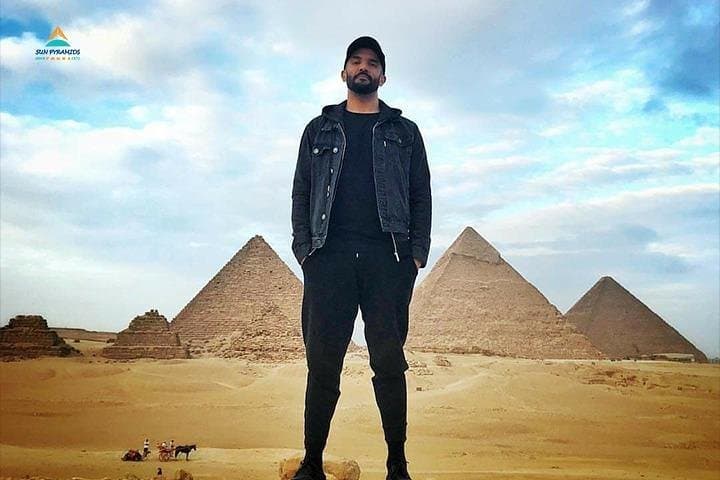
Cairo’s Giza plateau is an architectural benchmark: Cheops, Chephren and Mykerinos stand on limestone bedrock that once rose from a prehistoric shoreline. The Egyptian Museum nearby catalogs millennia of Pharaonic art, while Islamic Cairo’s bazaars reflect centuries of trade and urban layering. Luxor (ancient Thebes) sits on a different geological plane — the Nile’s alluvial floodplain — and the West Bank’s dry cliffs hide tombs cut deep into the rock, their painted corridors preserved by desert air.
Culturally, expect a mix of modern bustle and deliberate antiquity: local guides translate hieroglyphs into narratives, while vendors sell tea and papyrus by the minute. Practicalities determine enjoyment: plan for long walking stretches, steps in temple complexes, and midday heat. Bring a compact hat, full water bottle, and comfortable shoes with good grip for uneven flagstones.
Timing matters — early visits to Giza and Karnak avoid the worst sun and the crowds. Keep passports and entry tickets handy, and budget time for short transfers between airports and hotels. The trip moves quickly; it rewards curiosity and a readiness to trade slow travel for concentrated access to Egypt’s most iconic sites.
easy.
2 days (approx. 48 hours).
Light to moderate — able to walk several hours across flat and stepped surfaces and manage short transfers.
Yes — the tour includes scheduled domestic flights and private transfers as outlined in the itinerary.
Admissions for the listed main sites are included in the tour package; optional extras (additional tombs, special museum exhibits) may require extra fees.
The tour is rated easy but involves walking, stairs and uneven terrain; children and travelers with mobility limits should assess comfort with these conditions and contact the operator about accessibility.
There are short windows in Cairo’s Khan el-Khalili and at lunch stops for shopping; most of the schedule is guided with limited free time between major sites.
Giza’s pyramids were constructed on a limestone plateau around 4500 years ago, while Luxor occupies ancient Thebes, Egypt’s political and religious capital during the New Kingdom.
Sites face wear from foot traffic and exposure; visitors can help by not touching reliefs, following marked paths, and choosing licensed guides and local services that support preservation.
Sun Pyramids Tours operates guided outdoor trips and adventures with an emphasis on safety, stewardship, and memorable experiences.
You leave Hurghada before dawn, the Red Sea receding behind the airport as the plane pushes toward the Nile valley. In a single sweep this two-day itinerary drops you at the Pyramids and Sphinx in Cairo, then carries you on to Luxor’s temples and royal tombs — compressed, intense, and unmistakably Egyptian.
You leave Hurghada before dawn, the Red Sea receding behind the airport as the plane pushes toward the Nile valley. In a single sweep this two-day itinerary drops you at the Pyramids and Sphinx in Cairo, then carries you on to Luxor’s temples and royal tombs — compressed, intense, and unmistakably Egyptian.
Cairo’s Giza plateau is an architectural benchmark: Cheops, Chephren and Mykerinos stand on limestone bedrock that once rose from a prehistoric shoreline. The Egyptian Museum nearby catalogs millennia of Pharaonic art, while Islamic Cairo’s bazaars reflect centuries of trade and urban layering. Luxor (ancient Thebes) sits on a different geological plane — the Nile’s alluvial floodplain — and the West Bank’s dry cliffs hide tombs cut deep into the rock, their painted corridors preserved by desert air.
Culturally, expect a mix of modern bustle and deliberate antiquity: local guides translate hieroglyphs into narratives, while vendors sell tea and papyrus by the minute. Practicalities determine enjoyment: plan for long walking stretches, steps in temple complexes, and midday heat. Bring a compact hat, full water bottle, and comfortable shoes with good grip for uneven flagstones.
Timing matters — early visits to Giza and Karnak avoid the worst sun and the crowds. Keep passports and entry tickets handy, and budget time for short transfers between airports and hotels. The trip moves quickly; it rewards curiosity and a readiness to trade slow travel for concentrated access to Egypt’s most iconic sites.