THE ADVENTURE COLLECTIVE® · Independent discovery and booking for outdoor travel

See Múlafossur, Fossá and the village gorge of Gjógv on a full-day tour across Vágar and Streymoy. Expect close-up waterfall viewpoints, short walks, and dramatic coastal geology with practical guidance for variable weather.
See Múlafossur, Fossá and the village gorge of Gjógv on a full-day tour across Vágar and Streymoy. Expect close-up waterfall viewpoints, short walks, and dramatic coastal geology with practical guidance for variable weather.
You step from the minivan into wind that feels like it has purpose, a sharp, salt-scented push that nudges your jacket and points you toward the cliff edge. Before you, Múlafossur pours off a grassy lip into the Atlantic; the waterfall seems to dare the sea to pull it apart. The guide times stops so you arrive with light that catches spray and basalt the same way every photographer hopes for.
Verified experiences and guided adventures in the surrounding area.
Operated by Guide to Faroe Islands · Gásadalur, Vágar
You step from the minivan into wind that feels like it has purpose, a sharp, salt-scented push that nudges your jacket and points you toward the cliff edge. Before you, Múlafossur pours off a grassy lip into the Atlantic; the waterfall seems to dare the sea to pull it apart. The guide times stops so you arrive with light that catches spray and basalt the same way every photographer hopes for.
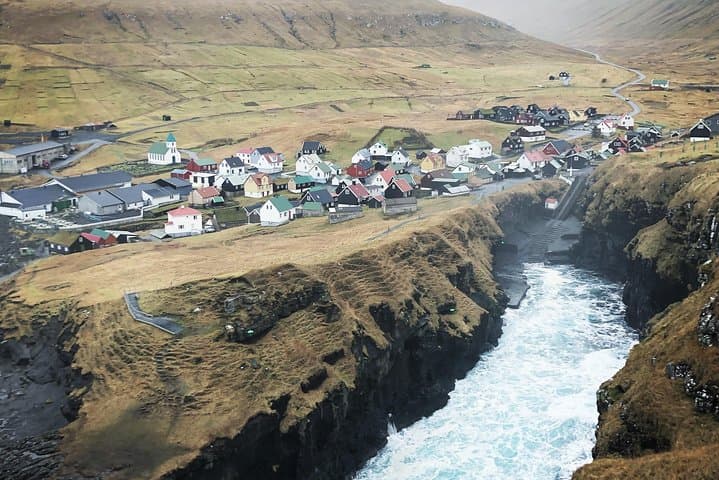
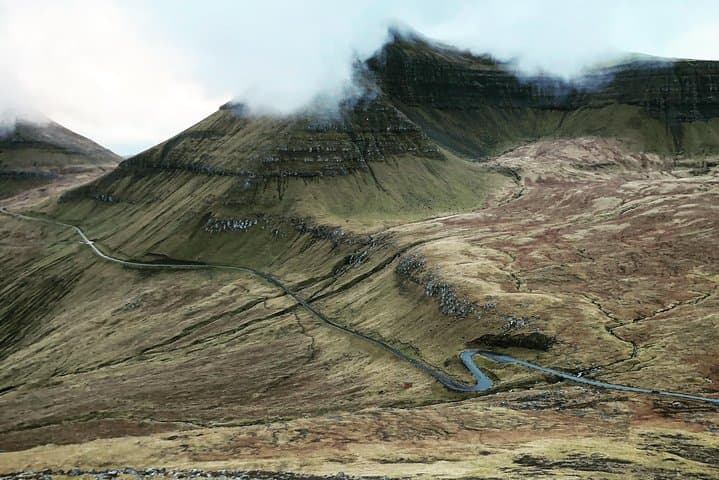
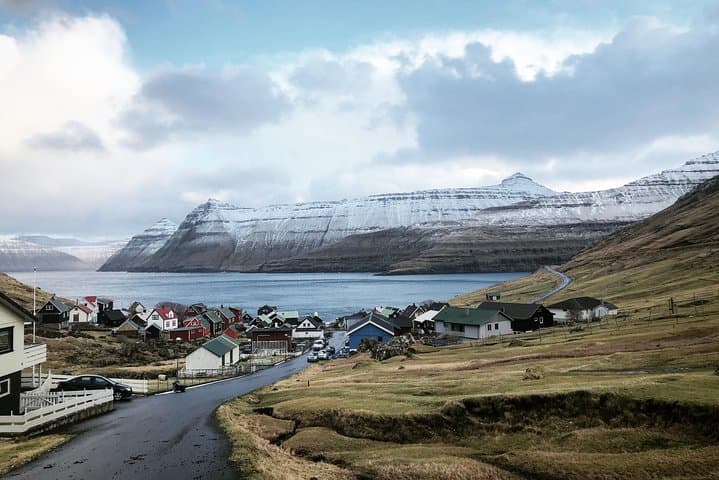
The islands are volcanic in origin: columnar basalt and scoured fjords carved during glacial cycles give each waterfall a different voice. Fossá, often called the country’s tallest waterfall, drops in multiple braided strands on Streymoy, while Saksun’s tiny lagoon and Gjógv’s natural gorge show how human settlements adapted to steep, water-rich terrain. Cultural notes thread through the day—turf-roof houses, centuries of sheep farming, and a maritime economy shaped by unpredictable weather.
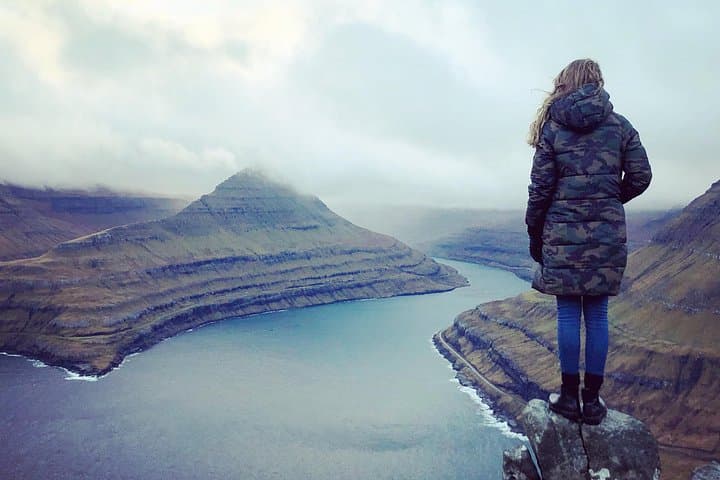
Practical guidance: the full tour runs about six hours with multiple short walks—expect uneven footing, muddy patches, and exposed viewpoints. Bring a waterproof shell, sturdy shoes with grip, and a small daypack for layers and snacks. Wind and rain can change fast; plan for windproof layers and protect camera gear. Leave time for quiet pauses at viewpoints and for short walks in Gjógv and Saksun—these are where the islands reveal themselves beyond the photo stops.
This is an accessible, sensory-driven day that blends geology, coastal power, and Faroese culture into a compact, moveable experience—ideal for travelers who want big scenery without a multi-day trek.
easy.
6 hours.
Suitable for most fitness levels; involves several short walks up to 30–60 minutes on uneven ground and boarding a vehicle between sites.
The tour is approximately six hours total and includes several short walks—most last 15–60 minutes on uneven or muddy terrain; nothing requires technical hiking ability.
The operator notes stroller accessibility in some parts, but many viewpoints have steps or rough ground; infant seats are available on the vehicle—check with the guide for specific stops.
Bring waterproof and windproof outer layers, a warm mid-layer, and shoes with good traction; dress in layers to adjust quickly to changing conditions.
You may see seabirds along cliffs and gullies and grazing sheep inland; puffin sightings depend on season and the specific coastal ledges visited.
The Faroe Islands have been settled since Norse times; many villages retain traditional turf-roof architecture and a fishing-and-sheep economy shaped over centuries.
The islands’ peat and cliff habitats are fragile—stick to trails, avoid disturbing nesting birds, and follow local guidance on drone use to minimize disturbance.
Guide to Faroe Islands operates guided outdoor trips and adventures with an emphasis on safety, stewardship, and memorable experiences.
You step from the minivan into wind that feels like it has purpose, a sharp, salt-scented push that nudges your jacket and points you toward the cliff edge. Before you, Múlafossur pours off a grassy lip into the Atlantic; the waterfall seems to dare the sea to pull it apart. The guide times stops so you arrive with light that catches spray and basalt the same way every photographer hopes for.
You step from the minivan into wind that feels like it has purpose, a sharp, salt-scented push that nudges your jacket and points you toward the cliff edge. Before you, Múlafossur pours off a grassy lip into the Atlantic; the waterfall seems to dare the sea to pull it apart. The guide times stops so you arrive with light that catches spray and basalt the same way every photographer hopes for.
The islands are volcanic in origin: columnar basalt and scoured fjords carved during glacial cycles give each waterfall a different voice. Fossá, often called the country’s tallest waterfall, drops in multiple braided strands on Streymoy, while Saksun’s tiny lagoon and Gjógv’s natural gorge show how human settlements adapted to steep, water-rich terrain. Cultural notes thread through the day—turf-roof houses, centuries of sheep farming, and a maritime economy shaped by unpredictable weather.
Practical guidance: the full tour runs about six hours with multiple short walks—expect uneven footing, muddy patches, and exposed viewpoints. Bring a waterproof shell, sturdy shoes with grip, and a small daypack for layers and snacks. Wind and rain can change fast; plan for windproof layers and protect camera gear. Leave time for quiet pauses at viewpoints and for short walks in Gjógv and Saksun—these are where the islands reveal themselves beyond the photo stops.
This is an accessible, sensory-driven day that blends geology, coastal power, and Faroese culture into a compact, moveable experience—ideal for travelers who want big scenery without a multi-day trek.