THE ADVENTURE COLLECTIVE® · Independent discovery and booking for outdoor travel

Spend 6–7 hours from Tórshavn exploring Vestmanna’s towering sea cliffs, a shared boat trip among puffins and caves, and several coastal villages with Viking-era remains. This private shore tour balances easy walks with dramatic coastal scenery.
Spend 6–7 hours from Tórshavn exploring Vestmanna’s towering sea cliffs, a shared boat trip among puffins and caves, and several coastal villages with Viking-era remains. This private shore tour balances easy walks with dramatic coastal scenery.
The morning air off Tórshavn tastes of salt and rain; grass on the roadside gleams and the mountains push their edges into low cloud. You meet your guide at the port and the van eases onto narrow coastal roads, islands sliding past like pages. At Vestmanna, the ocean sharpens—sea cliffs rise in basalt columns that seem to dare the waves, and a two‑hour boat ride threads caves and bird colonies where puffins and guillemots pack crags.
Verified experiences and guided adventures in the surrounding area.
Operated by taxiGo DMC · Tórshavn, Streymoy
The morning air off Tórshavn tastes of salt and rain; grass on the roadside gleams and the mountains push their edges into low cloud. You meet your guide at the port and the van eases onto narrow coastal roads, islands sliding past like pages. At Vestmanna, the ocean sharpens—sea cliffs rise in basalt columns that seem to dare the waves, and a two‑hour boat ride threads caves and bird colonies where puffins and guillemots pack crags.
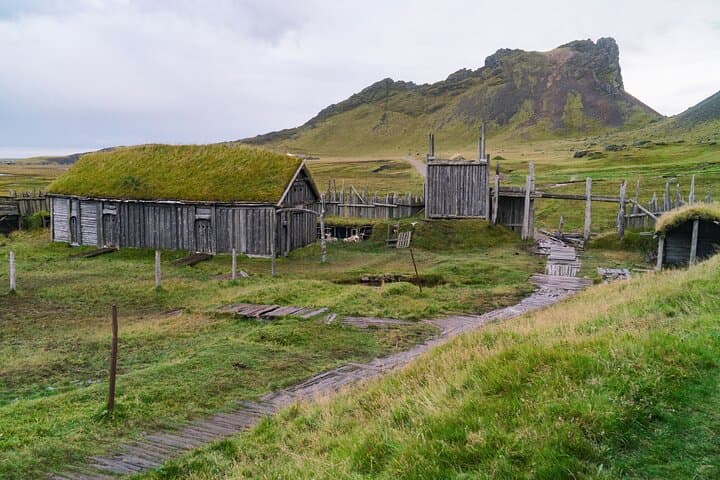
The Faroe Islands are young in geological terms: volcanic basalt layered with later glacial sculpting that carved steep fjords and isolated coastal plateaus. Human history here leans Viking—longhouse remains and turf‑roofed settlements speak to a thousand years of hardy coastal living. Local culture is maritime and practical: sheep grazing on high slopes, small harbors servicing far‑reaching fisheries, and villages where color and windproof design answer the weather.
Practically, expect exposed conditions: wind can rise quickly and sea swell alters boat experiences. The itinerary mixes short walks—beach strolls at Leynar and an easy loop past Viking ruins—with longer drives across Streymoy. Footing is uneven on shore and grassy slopes; elevation changes are modest (hundreds of meters at most), but wet ground calls for good soles.
Bring layered waterproofs, a secure camera, and seasickness prevention if you’re prone—the boat leg is the highlight but also the most variable. Timed for shore availability, the tour is a compact day to see cliffs, wildlife, and living Faroese villages without demanding technical skills.
easy.
6–7 hours.
Suitable for travelers who can manage several short walks (5–60 minutes) on uneven terrain and handle brief periods standing on a boat.
The boat trip along the Vestmanna cliffs is approximately two hours; the vessel used for the cliff cruise is shared with other passengers even on this private shore tour.
Yes—infant seats are available and the tour is rated easy for fitness; supervisors should monitor children near cliff edges and on the boat deck.
Tours operate in variable weather; while the operator does not guarantee refunds for cancellations, routes and timing may be adjusted for safety—bring flexible clothing and expect possible itinerary changes.
Yes—puffins, guillemots, and seals are commonly seen from the boat near Vestmanna, especially in spring and summer when colonies are most active.
The islands were settled by Norsemen in the Viking Age; archaeological remains near Streymoy show longhouse foundations over a thousand years old.
The Faroe Islands manage fragile coastal ecosystems—stay on paths where provided and follow local guidance to avoid disturbing nesting seabirds.
taxiGo DMC operates guided outdoor trips and adventures with an emphasis on safety, stewardship, and memorable experiences.
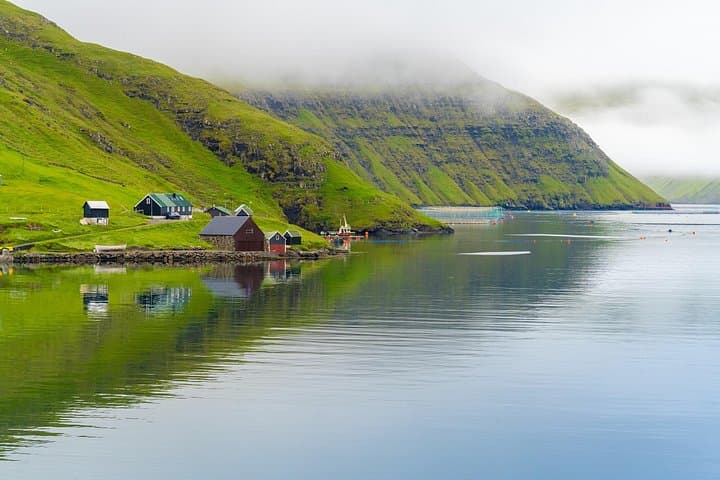
The morning air off Tórshavn tastes of salt and rain; grass on the roadside gleams and the mountains push their edges into low cloud. You meet your guide at the port and the van eases onto narrow coastal roads, islands sliding past like pages. At Vestmanna, the ocean sharpens—sea cliffs rise in basalt columns that seem to dare the waves, and a two‑hour boat ride threads caves and bird colonies where puffins and guillemots pack crags.
The morning air off Tórshavn tastes of salt and rain; grass on the roadside gleams and the mountains push their edges into low cloud. You meet your guide at the port and the van eases onto narrow coastal roads, islands sliding past like pages. At Vestmanna, the ocean sharpens—sea cliffs rise in basalt columns that seem to dare the waves, and a two‑hour boat ride threads caves and bird colonies where puffins and guillemots pack crags.
The Faroe Islands are young in geological terms: volcanic basalt layered with later glacial sculpting that carved steep fjords and isolated coastal plateaus. Human history here leans Viking—longhouse remains and turf‑roofed settlements speak to a thousand years of hardy coastal living. Local culture is maritime and practical: sheep grazing on high slopes, small harbors servicing far‑reaching fisheries, and villages where color and windproof design answer the weather.
Practically, expect exposed conditions: wind can rise quickly and sea swell alters boat experiences. The itinerary mixes short walks—beach strolls at Leynar and an easy loop past Viking ruins—with longer drives across Streymoy. Footing is uneven on shore and grassy slopes; elevation changes are modest (hundreds of meters at most), but wet ground calls for good soles.
Bring layered waterproofs, a secure camera, and seasickness prevention if you’re prone—the boat leg is the highlight but also the most variable. Timed for shore availability, the tour is a compact day to see cliffs, wildlife, and living Faroese villages without demanding technical skills.