THE ADVENTURE COLLECTIVE® · Independent discovery and booking for outdoor travel

A full-day highlights tour from Tórshavn that hits Saksun, Tjørnuvík, Fossá waterfall and Gjógv. Expect dramatic coastal views, short village walks, and a steady wind—perfect for photographers and first-time visitors.
A full-day highlights tour from Tórshavn that hits Saksun, Tjørnuvík, Fossá waterfall and Gjógv. Expect dramatic coastal views, short village walks, and a steady wind—perfect for photographers and first-time visitors.
You step out of the minivan onto a gravel shoulder and the wind introduces itself—cold, salty, insistent. Ahead, a crescent lagoon mirrors a green amphitheatre; behind you, an old mountain road drops away into cloud. This is northern Streymoy and neighbouring islands in miniature: black sand, turf roofs, narrow fjord mouths and a coastline that seems to have been carved for drama.
Verified experiences and guided adventures in the surrounding area.
Operated by Experience Faroe Islands · Tórshavn, Streymoy
You step out of the minivan onto a gravel shoulder and the wind introduces itself—cold, salty, insistent. Ahead, a crescent lagoon mirrors a green amphitheatre; behind you, an old mountain road drops away into cloud. This is northern Streymoy and neighbouring islands in miniature: black sand, turf roofs, narrow fjord mouths and a coastline that seems to have been carved for drama.
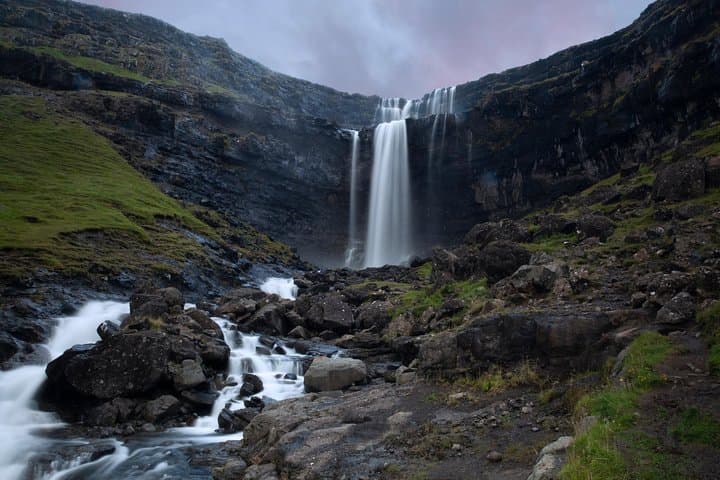
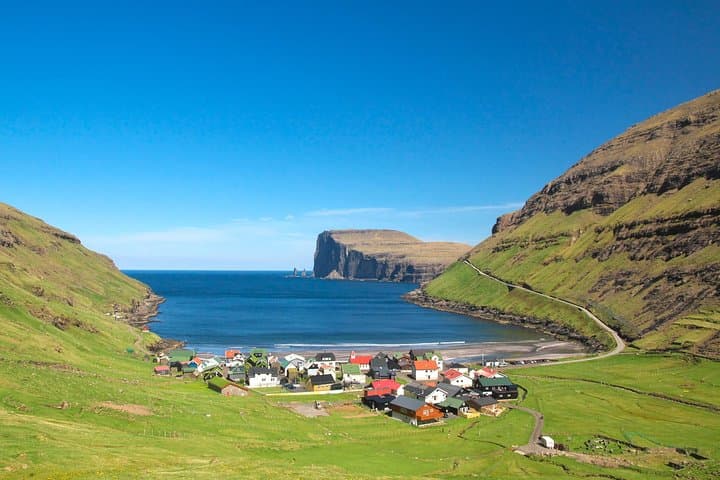
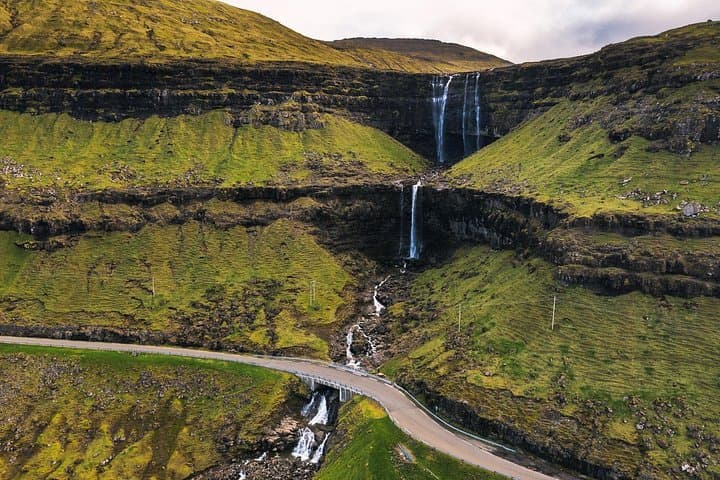
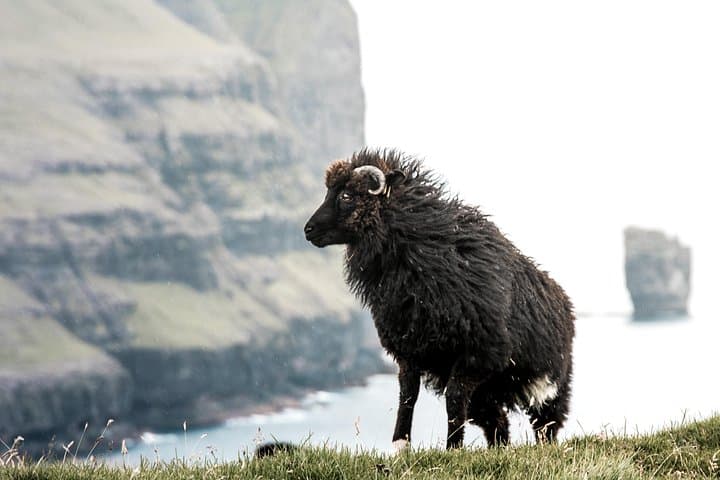
The route follows old driving lines used for centuries, skirting glacially scoured valleys and basalt cliffs. Saksun’s shallow lagoon and traditional turf houses reveal human adaptations to a subarctic maritime climate; nearby Fossá, the archipelago’s highest waterfall, tumbles from weathered basalt steps formed as volcanic flows met glacial erosion. Tjørnuvík places you against a black-sand shore where sea stacks—the Giant and the Witch—stand offshore and local surfers test cold North Atlantic swells. Gjógv’s namesake gorge cleaves the village with a boat-worn inlet and a small harbor carved into the rock.
Culturally, the villages retain strong ties to Norse settlement patterns: communal rowing traditions, turf construction, and a slow rhythm of life. Guides often point out recent conservation work (path maintenance, erosion control) funded through local volunteer programs.
Practical guidance: dress windproof and waterproof; expect frequent microclimates and carry layers. Footpaths in villages are short but uneven—sturdy shoes recommended. Photography windows are brief at each stop; bring extra batteries and a rain cover. Respect private property and turf roofs, and allow time for ferry or tunnel delays if the route crosses islands. A 6–8 hour highlights tour is ideal for visitors based in Tórshavn wanting a concentrated, scenic introduction to Faroese coastal life.
easy.
6–8 hours.
Suitable for most travelers; requires short walks (5–30 minutes) on uneven surfaces and standing at viewpoints.
Most departures are from Tórshavn; exact pickup points vary—confirm at booking and allow extra time for group pickup.
Yes—walking is light and stops are short, but participants should be able to handle uneven ground and wind exposure.
Lunch is included; restroom access is at village facilities or cafes, which may be limited between stops.
The operator may cancel for severe weather; their policy allows full refunds if canceled at least 24 hours before departure and they can cancel for unsafe conditions.
The Faroes have Norse roots dating to Viking-era settlement; turf-roofed houses and communal rowing reflect longstanding coastal livelihoods.
Trails and viewpoints are maintained to reduce erosion; visitors should stay on paths and avoid disturbing bird colonies, especially during nesting season.
Experience Faroe Islands operates guided outdoor trips and adventures with an emphasis on safety, stewardship, and memorable experiences.
You step out of the minivan onto a gravel shoulder and the wind introduces itself—cold, salty, insistent. Ahead, a crescent lagoon mirrors a green amphitheatre; behind you, an old mountain road drops away into cloud. This is northern Streymoy and neighbouring islands in miniature: black sand, turf roofs, narrow fjord mouths and a coastline that seems to have been carved for drama.
You step out of the minivan onto a gravel shoulder and the wind introduces itself—cold, salty, insistent. Ahead, a crescent lagoon mirrors a green amphitheatre; behind you, an old mountain road drops away into cloud. This is northern Streymoy and neighbouring islands in miniature: black sand, turf roofs, narrow fjord mouths and a coastline that seems to have been carved for drama.
The route follows old driving lines used for centuries, skirting glacially scoured valleys and basalt cliffs. Saksun’s shallow lagoon and traditional turf houses reveal human adaptations to a subarctic maritime climate; nearby Fossá, the archipelago’s highest waterfall, tumbles from weathered basalt steps formed as volcanic flows met glacial erosion. Tjørnuvík places you against a black-sand shore where sea stacks—the Giant and the Witch—stand offshore and local surfers test cold North Atlantic swells. Gjógv’s namesake gorge cleaves the village with a boat-worn inlet and a small harbor carved into the rock.
Culturally, the villages retain strong ties to Norse settlement patterns: communal rowing traditions, turf construction, and a slow rhythm of life. Guides often point out recent conservation work (path maintenance, erosion control) funded through local volunteer programs.
Practical guidance: dress windproof and waterproof; expect frequent microclimates and carry layers. Footpaths in villages are short but uneven—sturdy shoes recommended. Photography windows are brief at each stop; bring extra batteries and a rain cover. Respect private property and turf roofs, and allow time for ferry or tunnel delays if the route crosses islands. A 6–8 hour highlights tour is ideal for visitors based in Tórshavn wanting a concentrated, scenic introduction to Faroese coastal life.