THE ADVENTURE COLLECTIVE® · Independent discovery and booking for outdoor travel

Learn to build tacos from seed to skillet on a regenerative Maui farm. This hands-on 2.5-hour class pairs culinary technique with stories of local agriculture, ending with a communal meal made from produce you helped prepare.
Learn to build tacos from seed to skillet on a regenerative Maui farm. This hands-on 2.5-hour class pairs culinary technique with stories of local agriculture, ending with a communal meal made from produce you helped prepare.
You arrive through a double yellow gate and the road narrows between rows of coconut palms; the island wind nudges cilantro and chile plants toward the roadside as if offering a taste. On the farm, long wooden tables and a small outdoor kitchen sit under dappled light. The air smells of warm earth and roasting corn — the setting is open, tactile, and immediately useful.
Verified experiences and guided adventures in the surrounding area.
Operated by Lā Kāhea Community Farm · Kahului, Hawaii
You arrive through a double yellow gate and the road narrows between rows of coconut palms; the island wind nudges cilantro and chile plants toward the roadside as if offering a taste. On the farm, long wooden tables and a small outdoor kitchen sit under dappled light. The air smells of warm earth and roasting corn — the setting is open, tactile, and immediately useful.
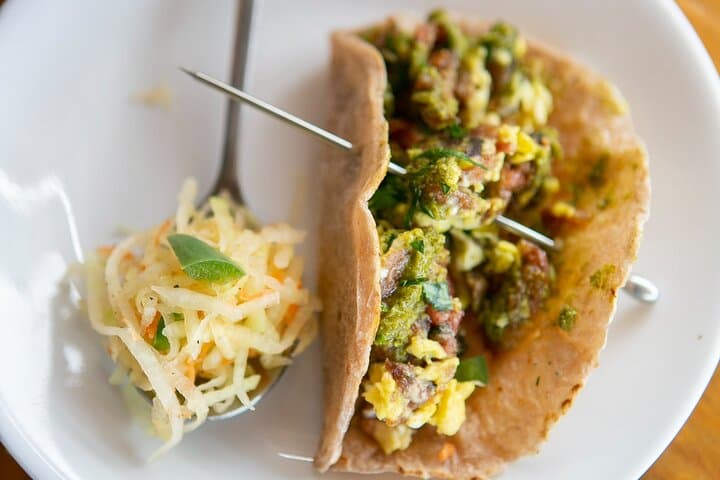
This experience ties modern regenerative farming to older Maui agricultural threads: volcanic soils from Haleakalā, a past marked by sugar and pineapple plantations, and the revival of diversified, resilient plots that prioritize soil health. The class frames local culture through food — Hawaiian staples and immigrant influences converge in the taco format, using fresh greens, herbs, local cheeses or plant-based swaps, and island-grown spices.
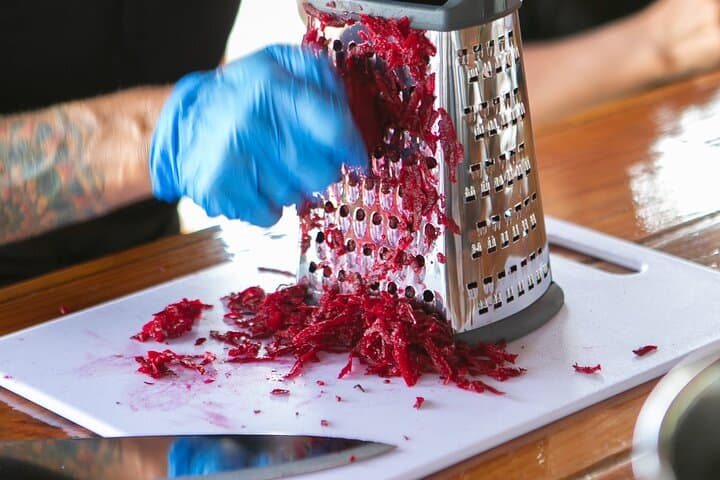
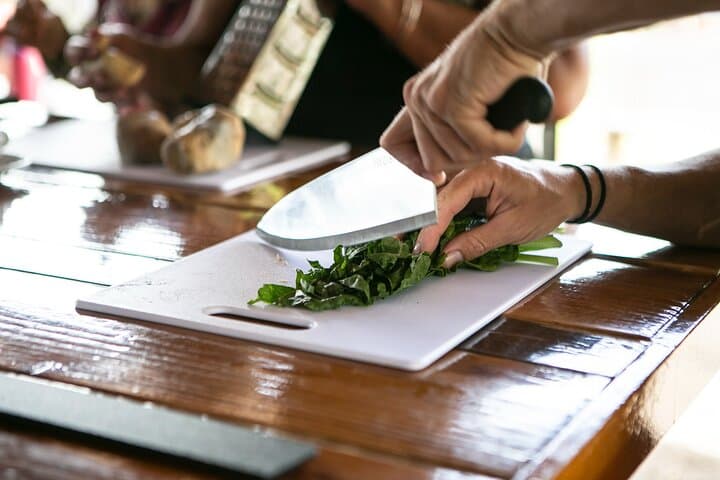
Expect hands-on instruction from a chef who explains ingredient provenance while demonstrating knife technique, salsas, and griddling methods. The lesson balances technique and storytelling: why a particular pepper thrives here, how sun and elevation shape flavor, and the farm’s sustainable practices.
Practical guidance: arrive ready to stand for the session (2.5 hours), bring sun protection and close-toed shoes, and plan to eat on-site — the meal is the final exam. Use Google Maps to find the entrance, park across the street as directed, and notify the host of dietary needs when booking. Photography is encouraged, but the class is compact — arrive early to explore planting rows and ask about seasonal crops. The result is simple: a portable skill set, a fuller appreciation for island-grown ingredients, and tacos that make the island’s soil and sun tangible.
easy.
2–3 hours.
Suitable for people who can stand and move around for a couple hours; no special fitness required.
Yes — the standard menu is vegetarian and gluten-free; it can be made vegan by request. List any allergies or special requirements when booking.
Guests should use Google Maps and follow the host’s directions: enter the double yellow gate, drive to the coconut trees and follow signs; park across the street and call if needed.
The class price typically includes hands-on instruction, snacks, lunch (the tacos you prepare), and coffee or tea.
Children are usually welcome but check age bands when booking; the class involves knives and heat, so supervision is required and younger kids may not participate in all steps.
Maui’s agricultural history moved from wetland kalo and dryland subsistence to large-scale sugar and pineapple; many farms now focus on diversified, regenerative methods that reclaim local crop knowledge.
The farm emphasizes sustainable practices—composting, reduced inputs, and water-conscious irrigation—so guests are encouraged to minimize waste and respect planting areas.
Lā Kāhea Community Farm operates guided outdoor trips and adventures with an emphasis on safety, stewardship, and memorable experiences.
You arrive through a double yellow gate and the road narrows between rows of coconut palms; the island wind nudges cilantro and chile plants toward the roadside as if offering a taste. On the farm, long wooden tables and a small outdoor kitchen sit under dappled light. The air smells of warm earth and roasting corn — the setting is open, tactile, and immediately useful.
You arrive through a double yellow gate and the road narrows between rows of coconut palms; the island wind nudges cilantro and chile plants toward the roadside as if offering a taste. On the farm, long wooden tables and a small outdoor kitchen sit under dappled light. The air smells of warm earth and roasting corn — the setting is open, tactile, and immediately useful.
This experience ties modern regenerative farming to older Maui agricultural threads: volcanic soils from Haleakalā, a past marked by sugar and pineapple plantations, and the revival of diversified, resilient plots that prioritize soil health. The class frames local culture through food — Hawaiian staples and immigrant influences converge in the taco format, using fresh greens, herbs, local cheeses or plant-based swaps, and island-grown spices.
Expect hands-on instruction from a chef who explains ingredient provenance while demonstrating knife technique, salsas, and griddling methods. The lesson balances technique and storytelling: why a particular pepper thrives here, how sun and elevation shape flavor, and the farm’s sustainable practices.
Practical guidance: arrive ready to stand for the session (2.5 hours), bring sun protection and close-toed shoes, and plan to eat on-site — the meal is the final exam. Use Google Maps to find the entrance, park across the street as directed, and notify the host of dietary needs when booking. Photography is encouraged, but the class is compact — arrive early to explore planting rows and ask about seasonal crops. The result is simple: a portable skill set, a fuller appreciation for island-grown ingredients, and tacos that make the island’s soil and sun tangible.