THE ADVENTURE COLLECTIVE® · Independent discovery and booking for outdoor travel

Cook outdoors on a working Dominican farm near Miches, learn La Bandera Dominicana over an open fire, and share a seasonal meal with local hosts. Hands-on instruction, local stories and farm-to-table cocktails make this a cultural and culinary half-day from Punta Cana.
Cook outdoors on a working Dominican farm near Miches, learn La Bandera Dominicana over an open fire, and share a seasonal meal with local hosts. Hands-on instruction, local stories and farm-to-table cocktails make this a cultural and culinary half-day from Punta Cana.
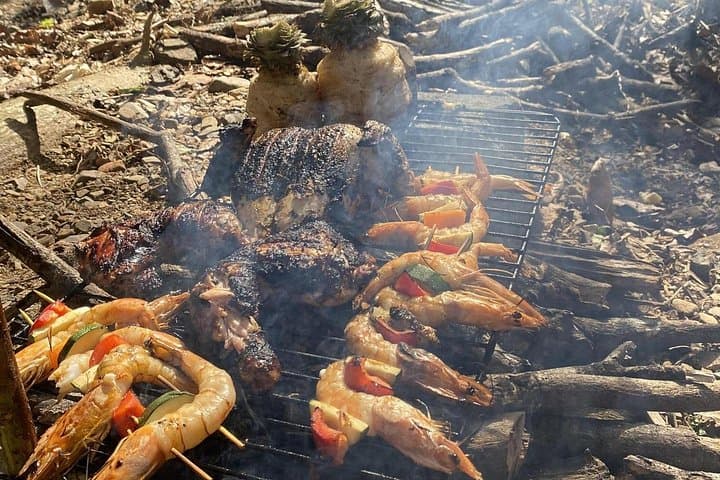
You arrive on a sun-warmed dirt lane and the farm opens like a working page of the countryside — palms shading a simple kitchen area, a ring of stones for the open fire, and the smell of green mangoes and wood smoke. Sophia and her partner meet you with a cool drink and a clear plan: today you'll build a meal from the soil up.
Verified experiences and guided adventures in the surrounding area.
Operated by Traveling Spoon · Miches, El Seibo
You arrive on a sun-warmed dirt lane and the farm opens like a working page of the countryside — palms shading a simple kitchen area, a ring of stones for the open fire, and the smell of green mangoes and wood smoke. Sophia and her partner meet you with a cool drink and a clear plan: today you'll build a meal from the soil up.
This part of the Dominican Republic sits on limestone plains edged by coastal lowlands; the land here has fed generations with cassava, plantain and coffee. Dominican cuisine is rooted in La Bandera Dominicana — rice, beans and a protein — a practical assembly born from colonial and Taíno influences that still guides home cooking. On the farm you'll learn techniques passed down through families: sofrito bases, fire control for stewing, and how local fruits become cocktails.
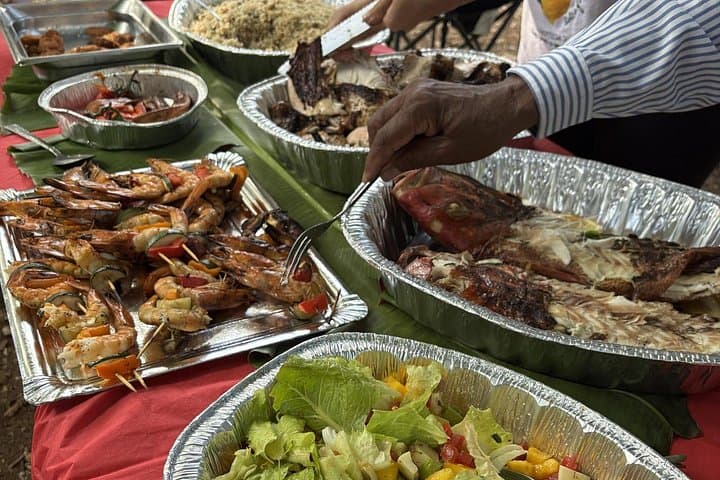
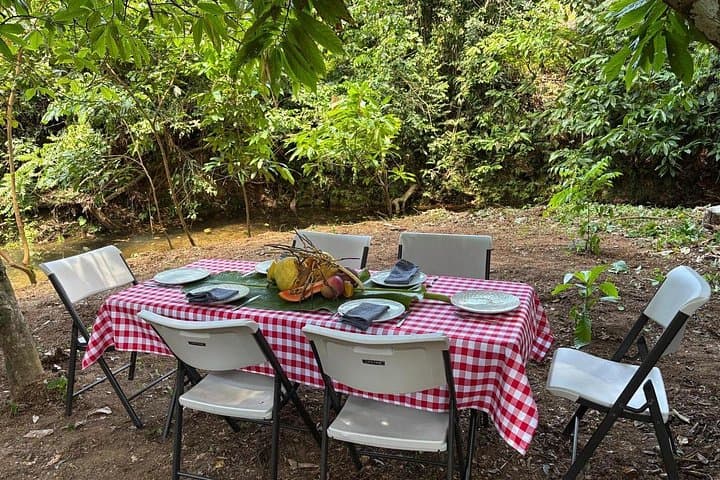
Expect hands-on instruction over roughly two hours of active cooking, then a communal meal outdoors. The experience balances cultural storytelling with practical skills: how to coax flavor from palm-fed charcoal, when to finish tostones for the perfect crunch, and how to adapt recipes to seasonal produce.
Practicalities: plan for sun and insects, bring closed-toe shoes and a refillable water bottle, and allow about 3–4 hours including transfer time (about 50 minutes from Punta Cana/Bávaro). Tell hosts any dietary needs in advance; vegetarian and other options are available when requested. This is slow, sensory travel — soil, heat, and salt-touched air conspiring to make a simple, honest meal you helped create.
easy.
3–4 hours.
Light activity: able to stand and move for 2+ hours and participate in simple cooking tasks
The activity runs about 3–4 hours including on-farm time and is typically a 50-minute drive from Punta Cana/Bávaro; allow extra transfer time if traffic is heavy.
Yes—hosts request dietary needs at booking and can prepare vegetarian, vegan, lactose-free and gluten-free options when notified in advance.
The listing notes a 50-minute drive from Punta Cana; private transport is not automatically included—confirm pick-up options with the operator at booking.
Yes—infants and small children can be accommodated; plan for attentive supervision around the open fire and tell hosts if you’re bringing youngsters.
La Bandera Dominicana evolved from Taíno, African and Spanish ingredients and reflects rural household cooking practices that prioritize rice, beans and a protein.
The farm emphasizes seasonal, local ingredients to reduce food miles; guests are encouraged to minimize single-use plastics and to respect planting and harvesting areas.
Traveling Spoon operates guided outdoor trips and adventures with an emphasis on safety, stewardship, and memorable experiences.
You arrive on a sun-warmed dirt lane and the farm opens like a working page of the countryside — palms shading a simple kitchen area, a ring of stones for the open fire, and the smell of green mangoes and wood smoke. Sophia and her partner meet you with a cool drink and a clear plan: today you'll build a meal from the soil up.
You arrive on a sun-warmed dirt lane and the farm opens like a working page of the countryside — palms shading a simple kitchen area, a ring of stones for the open fire, and the smell of green mangoes and wood smoke. Sophia and her partner meet you with a cool drink and a clear plan: today you'll build a meal from the soil up.
This part of the Dominican Republic sits on limestone plains edged by coastal lowlands; the land here has fed generations with cassava, plantain and coffee. Dominican cuisine is rooted in La Bandera Dominicana — rice, beans and a protein — a practical assembly born from colonial and Taíno influences that still guides home cooking. On the farm you'll learn techniques passed down through families: sofrito bases, fire control for stewing, and how local fruits become cocktails.
Expect hands-on instruction over roughly two hours of active cooking, then a communal meal outdoors. The experience balances cultural storytelling with practical skills: how to coax flavor from palm-fed charcoal, when to finish tostones for the perfect crunch, and how to adapt recipes to seasonal produce.
Practicalities: plan for sun and insects, bring closed-toe shoes and a refillable water bottle, and allow about 3–4 hours including transfer time (about 50 minutes from Punta Cana/Bávaro). Tell hosts any dietary needs in advance; vegetarian and other options are available when requested. This is slow, sensory travel — soil, heat, and salt-touched air conspiring to make a simple, honest meal you helped create.