THE ADVENTURE COLLECTIVE® · Independent discovery and booking for outdoor travel

Harvest ingredients at dusk, learn traditional tortilla-making, and dine on homemade picadillos in a private, organic-farm cooking class near La Fortuna. This hands-on experience emphasizes local plants, sustainable farming, and practical culinary skills.
Harvest ingredients at dusk, learn traditional tortilla-making, and dine on homemade picadillos in a private, organic-farm cooking class near La Fortuna. This hands-on experience emphasizes local plants, sustainable farming, and practical culinary skills.
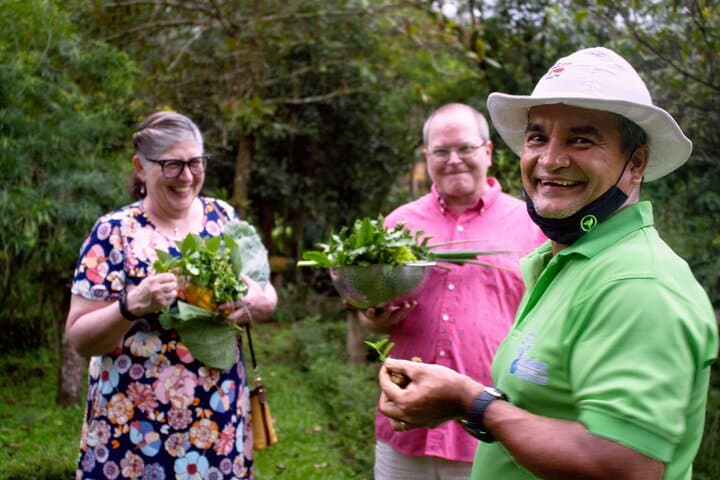
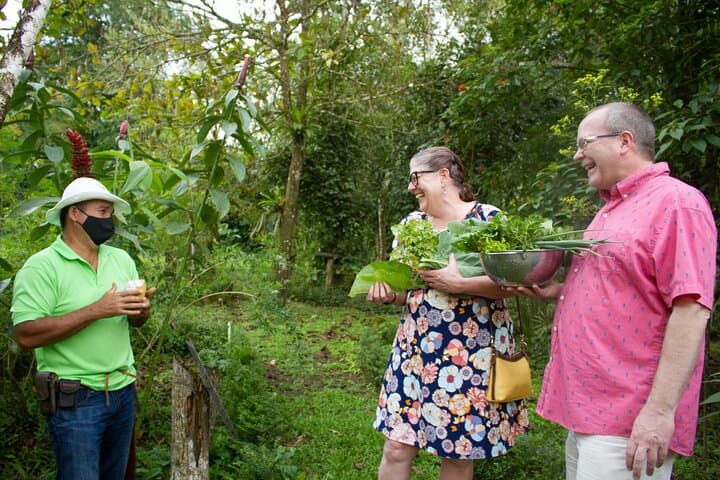
The last light pushes through rows of banana and citrus as you step onto the farm—leaves rustle, the orchard leans in and the sugarcane waits to be pressed. In this small plot outside La Fortuna, the work of hands and the heat of the day converge to create a practical, sensory cooking lesson: harvest, prepare, cook, and sit down together.
Verified experiences and guided adventures in the surrounding area.
Operated by Finca Paraiso Organico · La Fortuna, Alajuela
The last light pushes through rows of banana and citrus as you step onto the farm—leaves rustle, the orchard leans in and the sugarcane waits to be pressed. In this small plot outside La Fortuna, the work of hands and the heat of the day converge to create a practical, sensory cooking lesson: harvest, prepare, cook, and sit down together.
La Fortuna sits in volcanic soil fed by the nearby Arenal massif; that geology makes the land fertile and the farm’s organic pivot—away from conventional crops—part of a wider local movement toward sustainable agriculture. The guide points out the peasant pharmacy, a living directory of medicinal plants used by campesinos for generations, then shows how sugarcane, roots and citrus translate directly into juice, sauces and flavor.
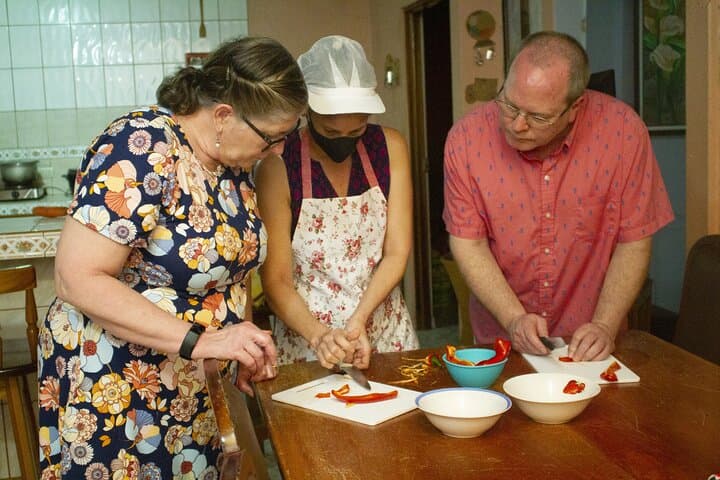
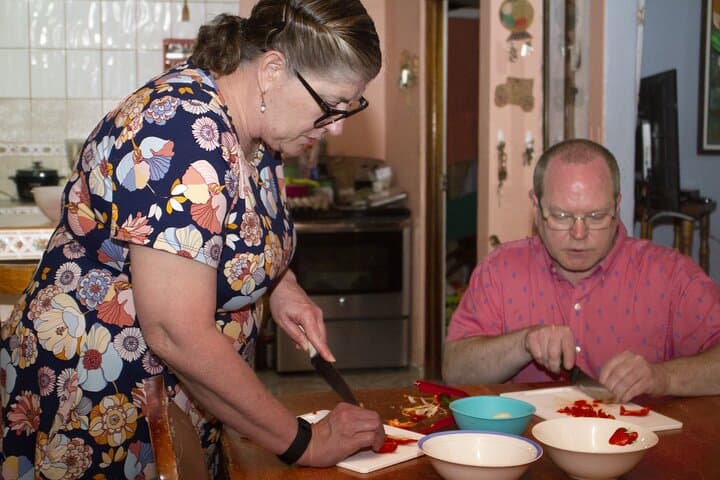
Culturally the class focuses on staples: corn tortillas pressed by hand, picadillos, and pollo con arroz—recipes that reflect rural Costa Rican rhythms more than restaurant technique. The experience is intimate and practical: expect hands-on tortilla making, bite-sized lessons in plant uses, and a family-style dinner at the end.
Practical guidance: arrive with closed-toe shoes and light rain protection; the farm is uneven and can be muddy. Let the operator know dietary restrictions ahead of time—vegetarian and vegan options are available. Bring insect repellent and a camera for birds and monkeys that sometimes call from the trees. The session runs roughly 2½ hours and is private, making it a good evening option after Arenal activities. This is a short, grounded farm-to-table introduction to Costa Rican foodways that rewards curiosity and light preparation.
easy.
2–3 hours.
Light walking and standing; suitable for most fitness levels but expect short uneven paths and outdoor kitchen work.
The activity is based at the farm outside La Fortuna; your booking confirmation will list the meeting point—contact the operator if you need pickup details.
Yes—vegetarian and vegan options are available; you should notify the operator of allergies and dietary needs when booking.
Yes—infants and small children can use a stroller on parts of the farm, and the hands-on class is family-friendly, though supervise children around cooking surfaces.
Participants make homemade tortillas, picadillos, and a typical chicken-and-rice dish (with vegetarian alternatives available), plus a freshly pressed sugarcane-based drink.
Smallholder farms around La Fortuna reflect generations of mixed subsistence and market agriculture; maize and tortillas are central to rural Costa Rican diets.
The host’s shift to organic production supports soil health and fewer agrochemicals; visitors can help by avoiding single-use plastics and following farm guidance.
Finca Paraiso Organico operates guided outdoor trips and adventures with an emphasis on safety, stewardship, and memorable experiences.
The last light pushes through rows of banana and citrus as you step onto the farm—leaves rustle, the orchard leans in and the sugarcane waits to be pressed. In this small plot outside La Fortuna, the work of hands and the heat of the day converge to create a practical, sensory cooking lesson: harvest, prepare, cook, and sit down together.
The last light pushes through rows of banana and citrus as you step onto the farm—leaves rustle, the orchard leans in and the sugarcane waits to be pressed. In this small plot outside La Fortuna, the work of hands and the heat of the day converge to create a practical, sensory cooking lesson: harvest, prepare, cook, and sit down together.
La Fortuna sits in volcanic soil fed by the nearby Arenal massif; that geology makes the land fertile and the farm’s organic pivot—away from conventional crops—part of a wider local movement toward sustainable agriculture. The guide points out the peasant pharmacy, a living directory of medicinal plants used by campesinos for generations, then shows how sugarcane, roots and citrus translate directly into juice, sauces and flavor.
Culturally the class focuses on staples: corn tortillas pressed by hand, picadillos, and pollo con arroz—recipes that reflect rural Costa Rican rhythms more than restaurant technique. The experience is intimate and practical: expect hands-on tortilla making, bite-sized lessons in plant uses, and a family-style dinner at the end.
Practical guidance: arrive with closed-toe shoes and light rain protection; the farm is uneven and can be muddy. Let the operator know dietary restrictions ahead of time—vegetarian and vegan options are available. Bring insect repellent and a camera for birds and monkeys that sometimes call from the trees. The session runs roughly 2½ hours and is private, making it a good evening option after Arenal activities. This is a short, grounded farm-to-table introduction to Costa Rican foodways that rewards curiosity and light preparation.