THE ADVENTURE COLLECTIVE® · Independent discovery and booking for outdoor travel

Harvest vegetables from volcanic soil, then cook a seasonal, plant-based lunch at Kulaniapia Farms with a local farmer. This hands-on four-hour experience pairs garden lessons with practical kitchen technique and panoramic views of Hilo Bay.
Harvest vegetables from volcanic soil, then cook a seasonal, plant-based lunch at Kulaniapia Farms with a local farmer. This hands-on four-hour experience pairs garden lessons with practical kitchen technique and panoramic views of Hilo Bay.
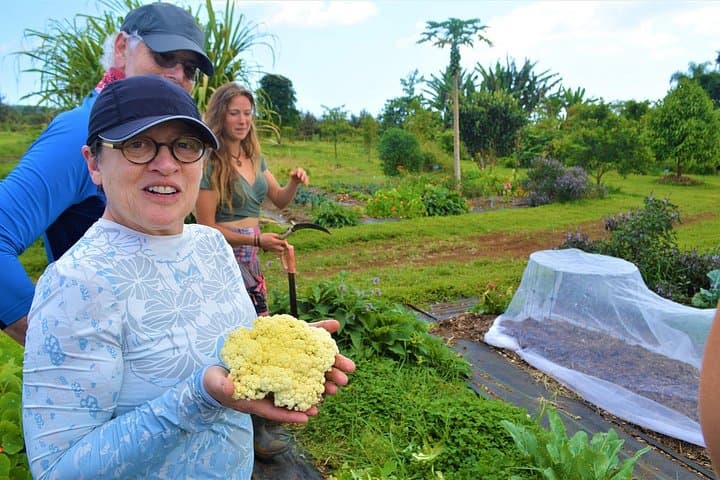
A cool mist drifts through the banana leaves as you step off a short dirt lane onto fertile black soil. At Kulaniapia Farms, the Pacific hums distant below while Mauna Kea watches above; the day begins among rows of kale, taro, and citrus that smell of earth and sun.
Verified experiences and guided adventures in the surrounding area.
Operated by Kulaniapia Falls · Hilo, Hawaii
A cool mist drifts through the banana leaves as you step off a short dirt lane onto fertile black soil. At Kulaniapia Farms, the Pacific hums distant below while Mauna Kea watches above; the day begins among rows of kale, taro, and citrus that smell of earth and sun.
This is farming shaped by lava: volcanic soils and Hawaiian rain patterns have supported small-scale agriculture here for generations. The class threads local knowledge with food history — from taro loi to the modern plant-based movement — and explains how tropical microclimates influence what’s ripe when. Community members lead the harvest; you’ll learn why certain varieties thrive on the Hamakua slope and how Polynesian and immigrant farming practices merged into today’s plots.
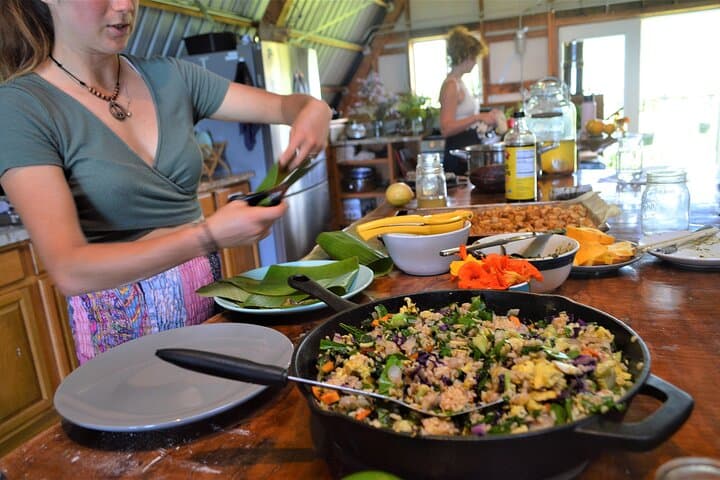
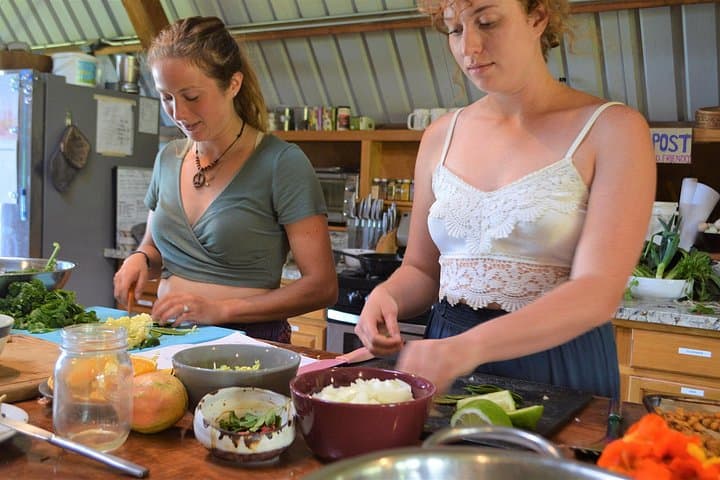
Expect hands-on harvesting, instruction on knife safety and simple culinary techniques, and a communal cooking session in a lofted barn with views of Hilo Bay. The menu shifts with seasonality—most ingredients come from the soil you’ve touched.
Practical guide: plan for 4 hours, wear sturdy closed-toe shoes for wet ground, and bring a refillable water bottle. Mornings are cooler and less buggy; rain is common in winter so a lightweight rain jacket helps. This experience is accessible to beginners but involves standing, light stooping, and food preparation. Leave with recipes, a better sense of Hawaii’s food systems, and a renewed appreciation for how place shapes a meal.
easy.
4 hours.
Light physical activity—standing, walking on uneven ground, occasional bending; suitable for most adults in reasonable health
No — the class is designed for beginners and focuses on simple plant-based techniques guided by instructors.
Yes — the tour asks about dietary needs at booking; notify the operator in advance for adjustments.
Meet at Kulaniapia Farms’ designated location near Hilo; transportation is not included—rentals or private transit recommended.
Full refund if cancelled at least 24 hours before the scheduled start; check your booking confirmation for details.
The Hamakua coast has long been shaped by volcanic soils and immigrant plantation agriculture; small farms here continue a tradition of local subsistence and crop experimentation.
Kulaniapia emphasizes sustainable, small-scale growing practices and water-wise irrigation; visitors are encouraged to minimize waste and respect native plantings.
Kulaniapia Falls operates guided outdoor trips and adventures with an emphasis on safety, stewardship, and memorable experiences.
A cool mist drifts through the banana leaves as you step off a short dirt lane onto fertile black soil. At Kulaniapia Farms, the Pacific hums distant below while Mauna Kea watches above; the day begins among rows of kale, taro, and citrus that smell of earth and sun.
A cool mist drifts through the banana leaves as you step off a short dirt lane onto fertile black soil. At Kulaniapia Farms, the Pacific hums distant below while Mauna Kea watches above; the day begins among rows of kale, taro, and citrus that smell of earth and sun.
This is farming shaped by lava: volcanic soils and Hawaiian rain patterns have supported small-scale agriculture here for generations. The class threads local knowledge with food history — from taro loi to the modern plant-based movement — and explains how tropical microclimates influence what’s ripe when. Community members lead the harvest; you’ll learn why certain varieties thrive on the Hamakua slope and how Polynesian and immigrant farming practices merged into today’s plots.
Expect hands-on harvesting, instruction on knife safety and simple culinary techniques, and a communal cooking session in a lofted barn with views of Hilo Bay. The menu shifts with seasonality—most ingredients come from the soil you’ve touched.
Practical guide: plan for 4 hours, wear sturdy closed-toe shoes for wet ground, and bring a refillable water bottle. Mornings are cooler and less buggy; rain is common in winter so a lightweight rain jacket helps. This experience is accessible to beginners but involves standing, light stooping, and food preparation. Leave with recipes, a better sense of Hawaii’s food systems, and a renewed appreciation for how place shapes a meal.