THE ADVENTURE COLLECTIVE® · Independent discovery and booking for outdoor travel

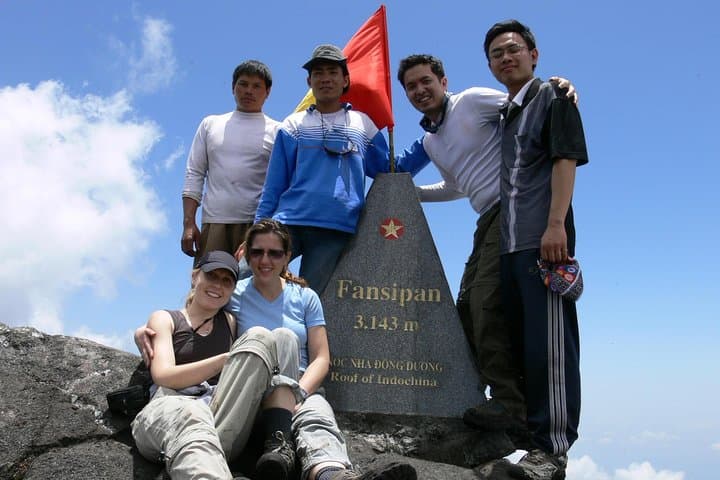
A focused 2-day trek to Fansipan (3,143 m) that blends steep mountain trails, an overnight high-camp and sunrise views from the roof of Indochina. Practical advice on what to expect, how to prepare and where the hardest sections lie.
A focused 2-day trek to Fansipan (3,143 m) that blends steep mountain trails, an overnight high-camp and sunrise views from the roof of Indochina. Practical advice on what to expect, how to prepare and where the hardest sections lie.
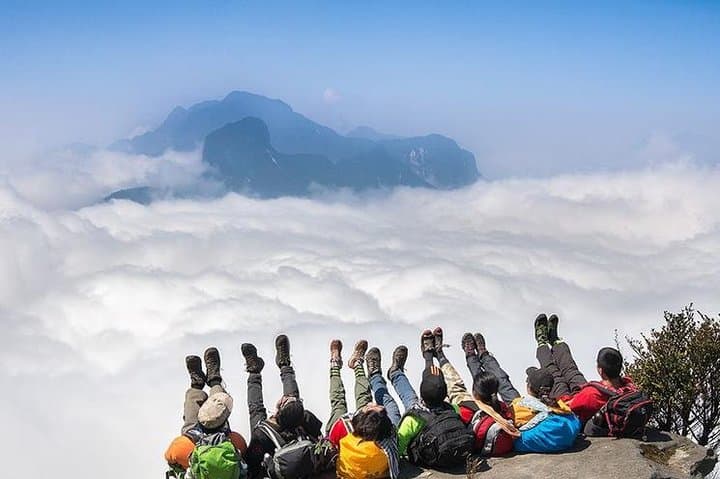
You wake before dawn at a high campsite carved into the Hoang Lien Son ridge, the air thin and cold, clouds pooling below like an ocean. Headlamps bob as the group threads a stony trail toward Fansipan’s summit; the last pale stars fade and the peak sharpens against the first light.
Verified experiences and guided adventures in the surrounding area.
Operated by Trekking Like A Boss · Sapa, Lao Cai Province
You wake before dawn at a high campsite carved into the Hoang Lien Son ridge, the air thin and cold, clouds pooling below like an ocean. Headlamps bob as the group threads a stony trail toward Fansipan’s summit; the last pale stars fade and the peak sharpens against the first light.
Fansipan (3,143 m) sits at the heart of the Hoang Lien range — a landscape lifted by tectonic forces and scoured into steep ridges and narrow cols. The route passes Muong Hoa valley and Tram Ton pass, moving from terraced agricultural mosaics shaped by Hmong and Dao communities into subalpine scrub and slabs of exposed rock. French and local guides mapped these routes in the colonial era; today porters and small guesthouses support modern climbs.
Expect rough, rooted trails, occasional laddered sections and loose scree near the summit. The campsite at ~2,800 m gives you sunrise views and the chance to watch weather sweep the valleys. Local culture remains visible: highland villages, indigo textiles, and cliffside shrines punctuate the approach.
Practical guidance: plan for about 16 km round-trip and roughly 1,300–1,600 m of elevation gain over two days; start early on summit day to avoid afternoon storms. Bring layered insulation for sub-zero nights, carry at least 2–3 liters of water and a headlamp, and allow time to acclimatize in Sapa (1,500–1,600 m) if you’re sensitive to altitude. Respect local trails and guides — porters often carry heavy loads, tip appropriately, and pack out waste. Weather changes quickly here; prioritize safety over summit ambitions.
challenging.
2 days (approx. 24–36 hours).
Good cardiovascular fitness and experience with full-day hikes; comfortable on uneven, steep terrain
The operator requires participants to be at least 18 years old for this trip.
Expect steep, sustained hiking with loose scree near the top; the itinerary is two days with significant elevation gain and is best for fit hikers.
Porters are provided and typically carry group equipment and sleeping bags; you should carry a daypack with personal items, water and snacks.
Acclimatize in Sapa, hydrate, ascend slowly, and recognize symptoms (headache, nausea); descend promptly if symptoms worsen.
The Hoang Lien range was mapped extensively during the French colonial period and has long been home to Hmong and Dao communities who shaped the valley terraces and trails.
Fansipan sits within Hoang Lien National Park; stick to marked routes, avoid open fires, and pack out waste to reduce impact on fragile alpine ecosystems.
Trekking Like A Boss operates guided outdoor trips and adventures with an emphasis on safety, stewardship, and memorable experiences.
You wake before dawn at a high campsite carved into the Hoang Lien Son ridge, the air thin and cold, clouds pooling below like an ocean. Headlamps bob as the group threads a stony trail toward Fansipan’s summit; the last pale stars fade and the peak sharpens against the first light.
You wake before dawn at a high campsite carved into the Hoang Lien Son ridge, the air thin and cold, clouds pooling below like an ocean. Headlamps bob as the group threads a stony trail toward Fansipan’s summit; the last pale stars fade and the peak sharpens against the first light.
Fansipan (3,143 m) sits at the heart of the Hoang Lien range — a landscape lifted by tectonic forces and scoured into steep ridges and narrow cols. The route passes Muong Hoa valley and Tram Ton pass, moving from terraced agricultural mosaics shaped by Hmong and Dao communities into subalpine scrub and slabs of exposed rock. French and local guides mapped these routes in the colonial era; today porters and small guesthouses support modern climbs.
Expect rough, rooted trails, occasional laddered sections and loose scree near the summit. The campsite at ~2,800 m gives you sunrise views and the chance to watch weather sweep the valleys. Local culture remains visible: highland villages, indigo textiles, and cliffside shrines punctuate the approach.
Practical guidance: plan for about 16 km round-trip and roughly 1,300–1,600 m of elevation gain over two days; start early on summit day to avoid afternoon storms. Bring layered insulation for sub-zero nights, carry at least 2–3 liters of water and a headlamp, and allow time to acclimatize in Sapa (1,500–1,600 m) if you’re sensitive to altitude. Respect local trails and guides — porters often carry heavy loads, tip appropriately, and pack out waste. Weather changes quickly here; prioritize safety over summit ambitions.