THE ADVENTURE COLLECTIVE® · Independent discovery and booking for outdoor travel

Experience Sapa’s terraces, Hmong culture, staged photo viewpoints at Moana Sapa, and a seamless ascent to Fansipan by cable car and train. This full-day tour balances easy access with meaningful mountain and cultural encounters.
Experience Sapa’s terraces, Hmong culture, staged photo viewpoints at Moana Sapa, and a seamless ascent to Fansipan by cable car and train. This full-day tour balances easy access with meaningful mountain and cultural encounters.
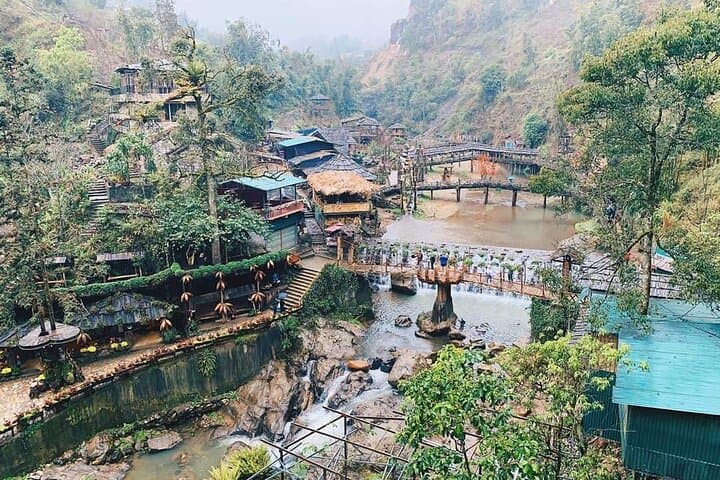
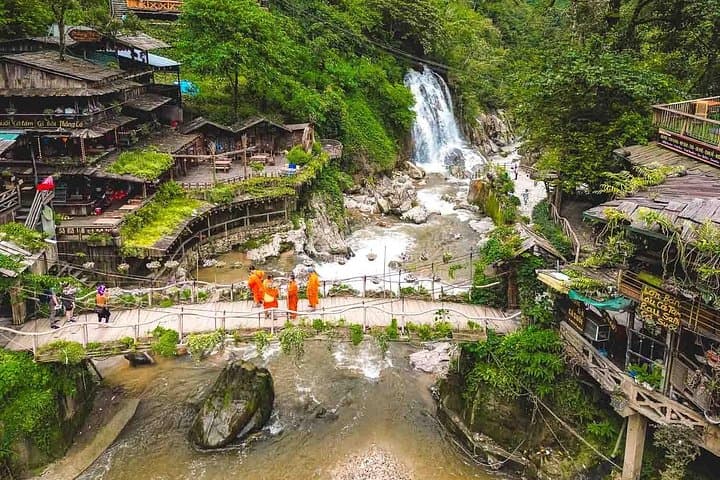
The day begins beneath the bell of Sapa Stone Church, a cool mountain air pushing at your jacket as the coach winds into Muong Hoa Valley. Terraced rice fields step down the hills like slow stairs, and the first stops—Cat Cat Village and its nearby falls—deliver close-up encounters with Hmong life: woven textiles, wooden bridges, and a rhythm of chores and song that make for striking photos.
Verified experiences and guided adventures in the surrounding area.
Operated by Red Gecko Travel · Sapa, Lao Cai
The day begins beneath the bell of Sapa Stone Church, a cool mountain air pushing at your jacket as the coach winds into Muong Hoa Valley. Terraced rice fields step down the hills like slow stairs, and the first stops—Cat Cat Village and its nearby falls—deliver close-up encounters with Hmong life: woven textiles, wooden bridges, and a rhythm of chores and song that make for striking photos.
Geologically the Hoang Lien Son range is a young, jagged spine of granite and metamorphic rock uplifted by tectonic forces; Fansipan, at 3,143 m, is the highest of the range and the roof of Indochina. Culturally, Sapa has long been a crossroads between local ethnic minorities—Hmong, Dao, Tay—and French colonial hill-station history, which shaped the town’s grid and stone church.
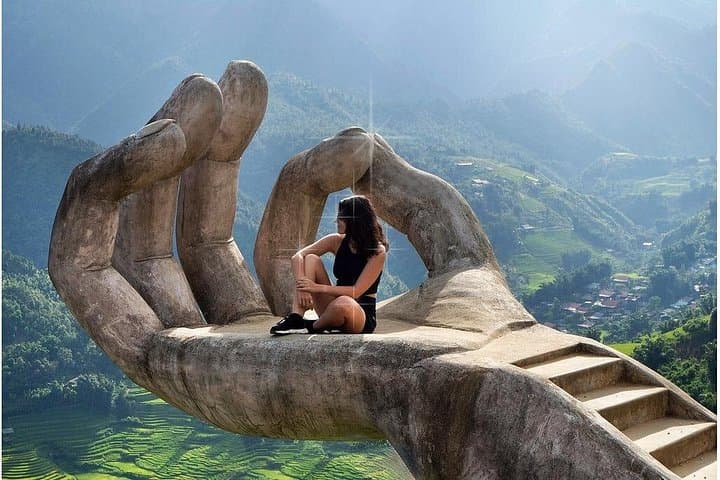
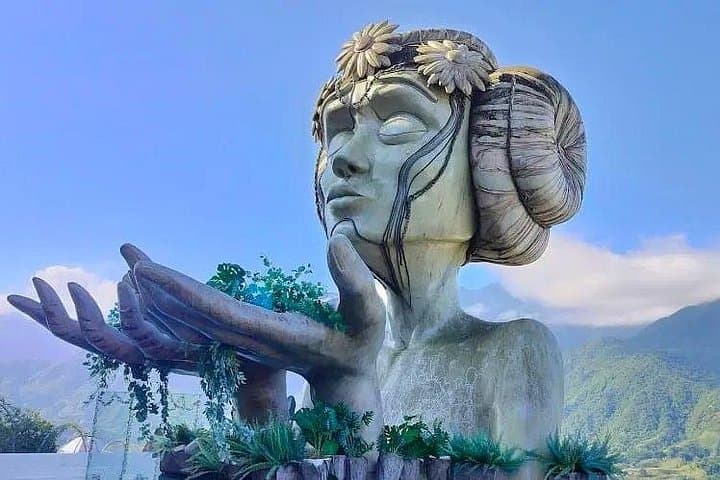
Moana Sapa offers staged viewpoints—the Bali Gate, Infinity Lake, Golden Hand—designed for photographers who want iconic frames without long approaches. The tour finishes with an engineered ascent: Muong Hoa monorail, a cable car, and uphill train bring visitors efficiently to the Fansipan summit area where a premium buffet and sweeping panoramas reward the climb.
Practical notes: expect 6–7 hours with periods of walking on uneven village paths and plateaued summit complexes. Temperatures can change quickly—layers and rain protection are essential. Respect local customs when photographing people; tipping and buying crafts directly supports village incomes. Arrive early in the high season to avoid crowds at photo spots and allow time to acclimate to higher elevation if you plan independent hiking the next day.
moderate.
6–7 hours.
Moderate fitness recommended—short walks on uneven terrain, some steps; not technical but requires stamina for multiple stops.
Expect a 6–7 hour full-day tour with several short walking stops (30–150 minutes each) interspersed with coach and cable car transfers.
Yes—Muong Hoa monorail, cable car, and uphill train tickets to the Fansipan summit are included in the tour price.
A premium buffet lunch is provided; operators can usually accommodate vegetarian, vegan, and gluten-free requests if notified in advance.
Not recommended for travelers with serious cardiovascular issues; infants must sit on a lap and children should be supervised on trails and summit platforms.
Sapa grew as a French colonial hill station in the early 20th century and remains a cultural crossroads for Hmong, Dao, and Tay communities who cultivate the terraces.
Stick to marked paths to limit erosion on terraces, buy crafts directly from artisans, and avoid single-use plastics to reduce litter in fragile mountain environments.
Red Gecko Travel operates guided outdoor trips and adventures with an emphasis on safety, stewardship, and memorable experiences.
The day begins beneath the bell of Sapa Stone Church, a cool mountain air pushing at your jacket as the coach winds into Muong Hoa Valley. Terraced rice fields step down the hills like slow stairs, and the first stops—Cat Cat Village and its nearby falls—deliver close-up encounters with Hmong life: woven textiles, wooden bridges, and a rhythm of chores and song that make for striking photos.
The day begins beneath the bell of Sapa Stone Church, a cool mountain air pushing at your jacket as the coach winds into Muong Hoa Valley. Terraced rice fields step down the hills like slow stairs, and the first stops—Cat Cat Village and its nearby falls—deliver close-up encounters with Hmong life: woven textiles, wooden bridges, and a rhythm of chores and song that make for striking photos.
Geologically the Hoang Lien Son range is a young, jagged spine of granite and metamorphic rock uplifted by tectonic forces; Fansipan, at 3,143 m, is the highest of the range and the roof of Indochina. Culturally, Sapa has long been a crossroads between local ethnic minorities—Hmong, Dao, Tay—and French colonial hill-station history, which shaped the town’s grid and stone church.
Moana Sapa offers staged viewpoints—the Bali Gate, Infinity Lake, Golden Hand—designed for photographers who want iconic frames without long approaches. The tour finishes with an engineered ascent: Muong Hoa monorail, a cable car, and uphill train bring visitors efficiently to the Fansipan summit area where a premium buffet and sweeping panoramas reward the climb.
Practical notes: expect 6–7 hours with periods of walking on uneven village paths and plateaued summit complexes. Temperatures can change quickly—layers and rain protection are essential. Respect local customs when photographing people; tipping and buying crafts directly supports village incomes. Arrive early in the high season to avoid crowds at photo spots and allow time to acclimate to higher elevation if you plan independent hiking the next day.