THE ADVENTURE COLLECTIVE® · Independent discovery and booking for outdoor travel

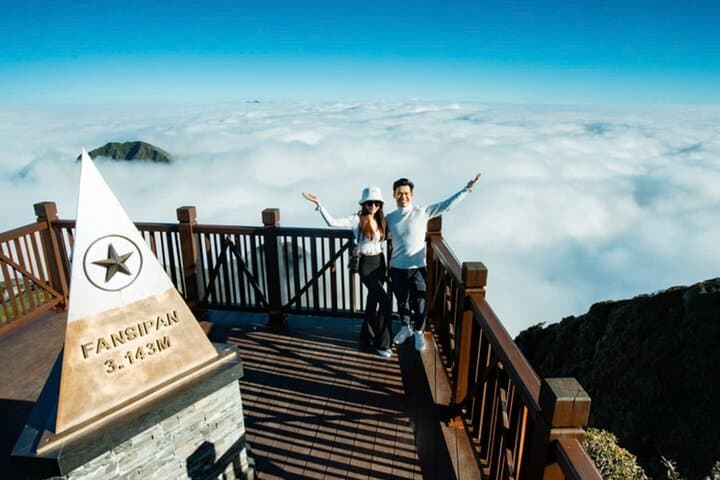
Ride the Guinness World Record-winning Fansipan Legend cable car from Sapa and stand at 3,143 m — the Roof of Indochina. This easy-access summit tour pairs dramatic cloudborne views with temple visits and close encounters with local ethnic culture.
Ride the Guinness World Record-winning Fansipan Legend cable car from Sapa and stand at 3,143 m — the Roof of Indochina. This easy-access summit tour pairs dramatic cloudborne views with temple visits and close encounters with local ethnic culture.
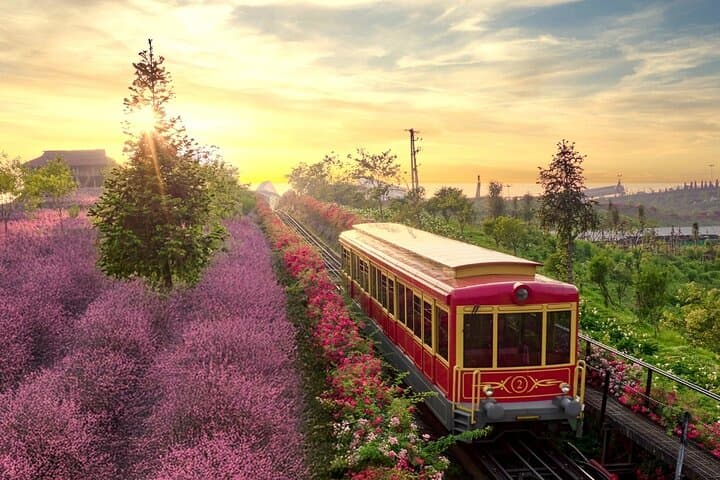
Morning mist parts and the cable car carriages appear like low-flying islands over a forest that seems to push itself up into the sky.
Verified experiences and guided adventures in the surrounding area.
Operated by BCFamilyTour.com · Sapa, Lao Cai
Morning mist parts and the cable car carriages appear like low-flying islands over a forest that seems to push itself up into the sky.
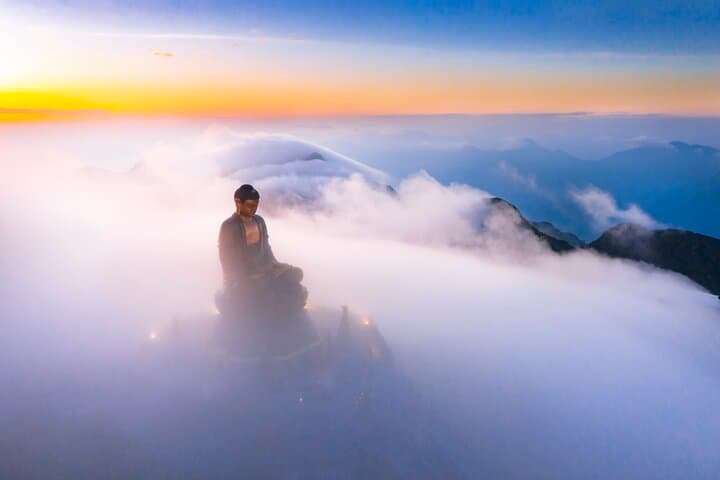
From Sapa the Fansipan Legend cable car climbs the Hoang Lien Son range to 3,143 m — the Roof of Indochina — delivering visitors to a compact summit complex where pagodas, stairways and a Buddha relic reach into a sea of clouds. The ride itself frames sheer limestone ridges, terraced fields sliding down valley walls and cloud forests that taste of moss and wind.
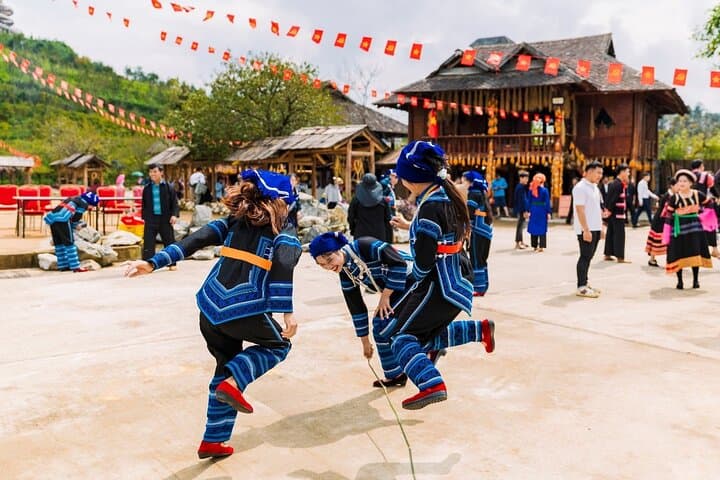
The area carries layers of history: Sapa grew into a hill-station during French colonial times (the stone church dates to 1895), while the Hoang Lien Son range is geologically young, folded by tectonic forces that lifted sedimentary rocks into sharp ridgelines. Local ethnic minorities — Hmong, Dao and others — keep living traditions in weaving and terraced agriculture; small houses and markets on the approach give the summit context and color.
Practically, this excursion blends accessibility and altitude: the cable car cuts the physical climb but you still experience strong winds and thin air near the summit temples. Expect steep stairs at the top and wet, slippery stone when clouds condense. Plan for changing temperatures, modest attire for sacred sites, and time for photos of the Buddha relic at about 3,100 m.
To get the most out of the day, arrive early for clearer light, book tickets in advance during high season, and leave time to explore Sapa’s viewpoints and nearby passes after descent. Hydrate, layer, and move deliberately on summit stonework to keep the focus on views, culture and the rare quiet above the clouds.
easy.
4–6 hours.
Light—no sustained trekking needed because the cable car carries you most of the way, but you should be comfortable walking stairs at altitude.
Fansipan’s summit is 3,143 m; the typical tour including cable car rides and summit time runs about 4–6 hours.
The cable car is operated by reputable manufacturers and is generally safe, but summit areas include stairs; mobility limitations may affect access to some viewpoints.
High season and weekend mornings fill quickly—book cable car tickets and tour slots in advance to secure preferred times.
Incidence is low because ascent is fast via cable car, but some visitors feel mild headache or breathlessness at the summit—rest, hydrate and descend if symptoms worsen.
Sapa became a French hill-station in the late 19th century; the region’s terraces and villages reflect centuries of ethnic cultivation and trade.
Visitor pressure on trails and summit infrastructure is managed by regulated cable-car access; stick to paths, avoid feeding wildlife and support local guides and handicrafts.
BCFamilyTour.com operates guided outdoor trips and adventures with an emphasis on safety, stewardship, and memorable experiences.
Morning mist parts and the cable car carriages appear like low-flying islands over a forest that seems to push itself up into the sky.
Morning mist parts and the cable car carriages appear like low-flying islands over a forest that seems to push itself up into the sky.
From Sapa the Fansipan Legend cable car climbs the Hoang Lien Son range to 3,143 m — the Roof of Indochina — delivering visitors to a compact summit complex where pagodas, stairways and a Buddha relic reach into a sea of clouds. The ride itself frames sheer limestone ridges, terraced fields sliding down valley walls and cloud forests that taste of moss and wind.
The area carries layers of history: Sapa grew into a hill-station during French colonial times (the stone church dates to 1895), while the Hoang Lien Son range is geologically young, folded by tectonic forces that lifted sedimentary rocks into sharp ridgelines. Local ethnic minorities — Hmong, Dao and others — keep living traditions in weaving and terraced agriculture; small houses and markets on the approach give the summit context and color.
Practically, this excursion blends accessibility and altitude: the cable car cuts the physical climb but you still experience strong winds and thin air near the summit temples. Expect steep stairs at the top and wet, slippery stone when clouds condense. Plan for changing temperatures, modest attire for sacred sites, and time for photos of the Buddha relic at about 3,100 m.
To get the most out of the day, arrive early for clearer light, book tickets in advance during high season, and leave time to explore Sapa’s viewpoints and nearby passes after descent. Hydrate, layer, and move deliberately on summit stonework to keep the focus on views, culture and the rare quiet above the clouds.