
Fansipan Roof of Indochina: 2-Day Sapa Trip with Cable Car & 600-Step Summit
Leave Hanoi for a compact two-day Sapa escape: a valley walk to Cat Cat village and a cable car ride to 2,800 m that leaves you with 600 steps to Fansipan’s summit. Practical planning, steep stone stairs and rich mountain culture make this a rewarding short expedition.
An Adventure In Sapa.
Leave Hanoi for a compact two-day Sapa escape: a valley walk to Cat Cat village and a cable car ride to 2,800 m that leaves you with 600 steps to Fansipan’s summit. Practical planning, steep stone stairs and rich mountain culture make this a rewarding short expedition.
Read the full experience
A pale sunrise peels back from the Hoang Lien Range as your limousine threads the highway toward Sapa, rice terraces folding away like pages. By the time you step into Sapa town the air is thinner, cooler—clouds press into the valley and the mountain seems to test your resolve.
A pale sunrise peels back from the Hoang Lien Range as your limousine threads the highway toward Sapa, rice terraces folding away like pages. By the time you step into Sapa town the air is thinner, cooler—clouds press into the valley and the mountain seems to test your resolve.
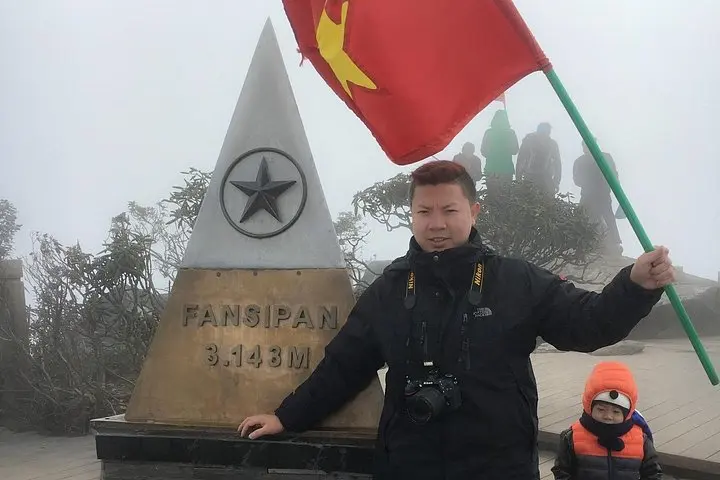
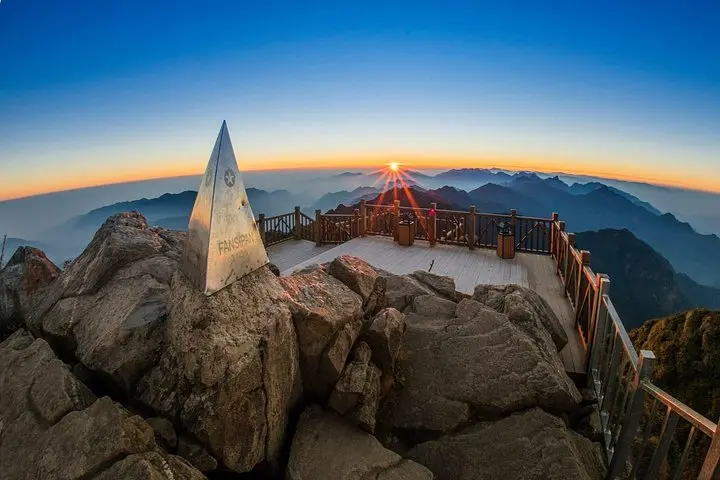
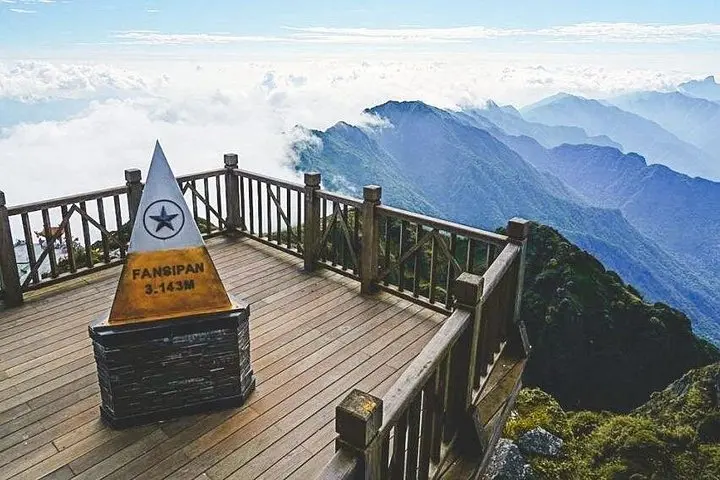
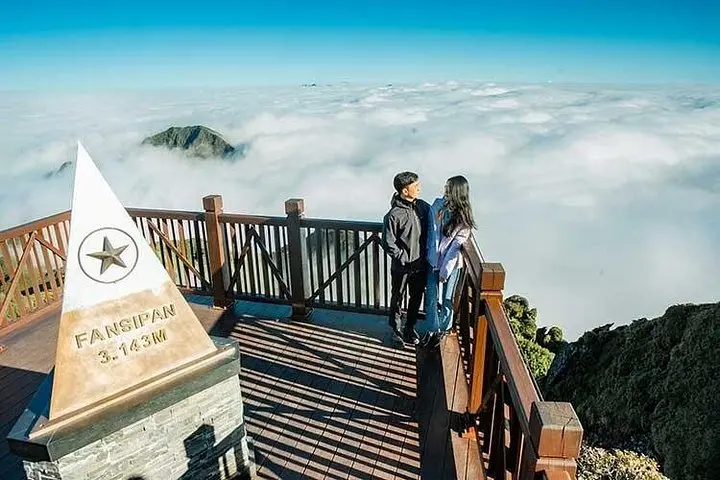
Fansipan, at 3,143 m, is the highest point in Indochina. Geologically it rises from the Hoang Lien massif, a mix of ancient metamorphic rock lifted by tectonic forces; carved valleys and steep ridgelines reward the patient eye. The valley cultures — Black H’Mong, Dao and Tay communities — have farmed these slopes for centuries; Cat Cat village near Sapa preserves traditional dress, handicrafts and a French-era hydraulic station visible at the waterfall.
This two-day itinerary compresses the landscape into achievable segments: a 5–6 hour limousine transfer from Hanoi, an afternoon walk into Cat Cat (steep downhill then climb back), and a 20-minute cable car on day two that rises to about 2,800 m. From the top station expect roughly 600 stone steps and ~340 m of vertical to reach the true summit — steep, exposed in places, but short and intensely satisfying.
Practical edge: pace yourself for altitude, bring windproof layers, and plan morning departures to avoid afternoon clouds. Footwear should have grip for wet stone steps; water and a light snack keep energy steady during the stair ascent. Respect local customs in villages and stick to marked paths — the mountain is resilient, but visitor pressure is real.
Frequently asked questions
The cable car takes about 15–20 minutes from the valley station to the high station at roughly 2,800 m; queues can add time during peak periods.
No technical climbing skills are required — the final ascent is a steep set of stone steps (about 600) rather than technical rock climbing, but it is strenuous and exposed in sections.
The summit is over 3,000 m so mild symptoms (headache, breathlessness) are possible; ascend slowly, hydrate, and descend if symptoms worsen.
Typical inclusions are roundtrip limousine transfer from Hanoi, one night hotel in Sapa, meals as listed, entrance fees, local guide and roundtrip cable car ticket to Fansipan high station.
About This Experience
Authentic SAPA operates guided outdoor trips and adventures with an emphasis on safety, stewardship, and memorable experiences.
Adventure tips
Recommended gear
- Sturdy hiking shoes: Provide traction on wet stone steps and comfort for village trails.
- Windproof layer: High-altitude winds and sudden temperature drops make a light shell essential.
- 1–1.5 L water bottle: Hydration helps with altitude and exertion during the 600-step ascent.
- Rain jacket or poncho: Sapa’s weather is changeable; sudden rains are common year-round, especially in monsoon season.
Photos of the experience
Related adventures & guides
Read the full experience
A pale sunrise peels back from the Hoang Lien Range as your limousine threads the highway toward Sapa, rice terraces folding away like pages. By the time you step into Sapa town the air is thinner, cooler—clouds press into the valley and the mountain seems to test your resolve.
A pale sunrise peels back from the Hoang Lien Range as your limousine threads the highway toward Sapa, rice terraces folding away like pages. By the time you step into Sapa town the air is thinner, cooler—clouds press into the valley and the mountain seems to test your resolve.
Fansipan, at 3,143 m, is the highest point in Indochina. Geologically it rises from the Hoang Lien massif, a mix of ancient metamorphic rock lifted by tectonic forces; carved valleys and steep ridgelines reward the patient eye. The valley cultures — Black H’Mong, Dao and Tay communities — have farmed these slopes for centuries; Cat Cat village near Sapa preserves traditional dress, handicrafts and a French-era hydraulic station visible at the waterfall.
This two-day itinerary compresses the landscape into achievable segments: a 5–6 hour limousine transfer from Hanoi, an afternoon walk into Cat Cat (steep downhill then climb back), and a 20-minute cable car on day two that rises to about 2,800 m. From the top station expect roughly 600 stone steps and ~340 m of vertical to reach the true summit — steep, exposed in places, but short and intensely satisfying.
Practical edge: pace yourself for altitude, bring windproof layers, and plan morning departures to avoid afternoon clouds. Footwear should have grip for wet stone steps; water and a light snack keep energy steady during the stair ascent. Respect local customs in villages and stick to marked paths — the mountain is resilient, but visitor pressure is real.
Make a day of it nearby.
Verified experiences and guided adventures in the surrounding area.