THE ADVENTURE COLLECTIVE® · Independent discovery and booking for outdoor travel

Pair dramatic Buddhist peaks with riverside ancient towns on this private 2‑day itinerary. Explore Tujia and Miao culture in Fenghuang and ride the cable car into Fanjingshan’s UNESCO‑protected summits.
Pair dramatic Buddhist peaks with riverside ancient towns on this private 2‑day itinerary. Explore Tujia and Miao culture in Fenghuang and ride the cable car into Fanjingshan’s UNESCO‑protected summits.
You step out of an air-conditioned car into an alley lit by red lanterns and the river’s slow sigh — Fenghuang at dusk — then wake before sunrise to ride toward a mountain that seems to rise like an island from the clouds.
Verified experiences and guided adventures in the surrounding area.
Operated by happychinatours · Tongren, Guizhou
You step out of an air-conditioned car into an alley lit by red lanterns and the river’s slow sigh — Fenghuang at dusk — then wake before sunrise to ride toward a mountain that seems to rise like an island from the clouds.
Fanjingshan (Fanjing Mountain) and the paired old towns of Furong and Fenghuang offer two distinct Chinese landscapes: living ethnic towns where Tujia and Miao customs persist, and a UNESCO-listed nature reserve of isolated metamorphic peaks crowned with temples. Geologically, Fanjingshan is an elevated block of resistant rock—jutting cliffs, thumb-like spires and the iconic Mushroom Stone—rising to about 2,570 m. Culturally, Fenghuang’s timber stilt houses, Ming‑era bridges and riverside teahouses reflect centuries of local craft and river commerce.
Day one wanders flagstone lanes, Hong Bridge and tucked-away tea shops; day two uses park buses and the cable car to reach the South Route’s highlights: Cheng En Temple, Old Golden Summit and the Red Cloud Golden Summit viewpoint. Weather swings quickly at altitude; granite steps and narrow walkways demand steady footing but reward sweeping panoramas.
Practical points: the tour includes a private car and guide, short drives between sites (roughly 1.5–2 hours each way), and cable‑car access that shortens the climb. Bring layered clothing, sturdy shoes, sun protection, and water; start early to avoid crowds and catch the best light. Respect temple etiquette and stay on marked trails to protect rare species such as the Guizhou snub‑nosed monkey and fragile vegetation.
moderate.
2 days.
Moderate fitness: able to manage multiple flights of stairs, short hikes at altitude, and a day of walking in towns.
The south route uses a park bus and cable car to reduce climbing; expect several hours of walking on stairs and paths—moderate fitness required.
Entrance fees and cable car charges apply at the park; the tour typically handles logistics but check what’s included before booking.
The itinerary usually includes an overnight in Fenghuang Ancient Town, with options to return to Zhangjiajie or Tongren afterward.
The trip is stroller‑accessible in towns but Fanjingshan’s stairs and altitude make it unsuitable for people with serious mobility, heart, or spinal conditions.
Fenghuang and Furong preserve centuries of Tujia and Miao craftsmanship and riverside stilt architecture; Fanjingshan is an important Buddhist site with temples dating back to the Ming era.
Fanjingshan is a UNESCO World Heritage site and biosphere reserve with protections for endemic species; visitors should stick to trails, avoid feeding wildlife and minimize waste.
happychinatours operates guided outdoor trips and adventures with an emphasis on safety, stewardship, and memorable experiences.
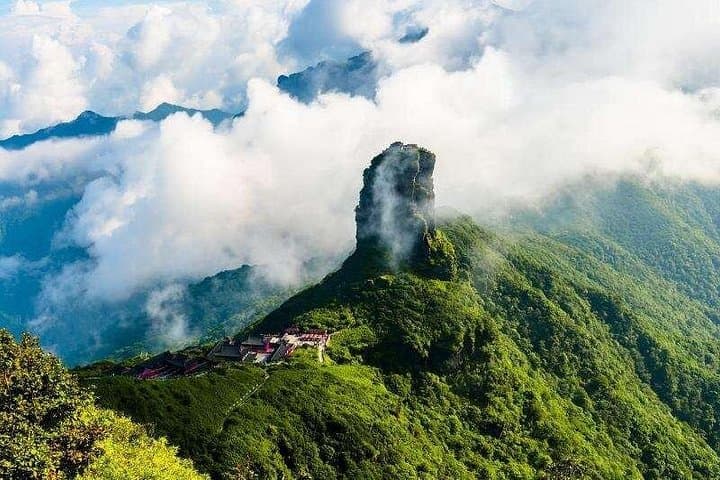


You step out of an air-conditioned car into an alley lit by red lanterns and the river’s slow sigh — Fenghuang at dusk — then wake before sunrise to ride toward a mountain that seems to rise like an island from the clouds.
You step out of an air-conditioned car into an alley lit by red lanterns and the river’s slow sigh — Fenghuang at dusk — then wake before sunrise to ride toward a mountain that seems to rise like an island from the clouds.
Fanjingshan (Fanjing Mountain) and the paired old towns of Furong and Fenghuang offer two distinct Chinese landscapes: living ethnic towns where Tujia and Miao customs persist, and a UNESCO-listed nature reserve of isolated metamorphic peaks crowned with temples. Geologically, Fanjingshan is an elevated block of resistant rock—jutting cliffs, thumb-like spires and the iconic Mushroom Stone—rising to about 2,570 m. Culturally, Fenghuang’s timber stilt houses, Ming‑era bridges and riverside teahouses reflect centuries of local craft and river commerce.
Day one wanders flagstone lanes, Hong Bridge and tucked-away tea shops; day two uses park buses and the cable car to reach the South Route’s highlights: Cheng En Temple, Old Golden Summit and the Red Cloud Golden Summit viewpoint. Weather swings quickly at altitude; granite steps and narrow walkways demand steady footing but reward sweeping panoramas.
Practical points: the tour includes a private car and guide, short drives between sites (roughly 1.5–2 hours each way), and cable‑car access that shortens the climb. Bring layered clothing, sturdy shoes, sun protection, and water; start early to avoid crowds and catch the best light. Respect temple etiquette and stay on marked trails to protect rare species such as the Guizhou snub‑nosed monkey and fragile vegetation.