THE ADVENTURE COLLECTIVE® · Independent discovery and booking for outdoor travel

Step into Fanal’s cool laurel forest to meet centennial trees and panoramic highland views. This 2–3 hour guided walk explores Madeira’s UNESCO-listed laurisilva with accessible trails and local insights.
Step into Fanal’s cool laurel forest to meet centennial trees and panoramic highland views. This 2–3 hour guided walk explores Madeira’s UNESCO-listed laurisilva with accessible trails and local insights.
You step out of the van and the air changes—cooler, moist, and green—like the island itself is inhaling. Towering centennial trees bend light into shafts; moss wraps trunks and boulders as if the forest is wearing careful stitchwork. A narrow track leads into Fanal, where the laurel forest’s slow, patient presence makes each footfall feel measured.
Verified experiences and guided adventures in the surrounding area.
Operated by Madeira Trekking On Demand · Fanal, Madeira
You step out of the van and the air changes—cooler, moist, and green—like the island itself is inhaling. Towering centennial trees bend light into shafts; moss wraps trunks and boulders as if the forest is wearing careful stitchwork. A narrow track leads into Fanal, where the laurel forest’s slow, patient presence makes each footfall feel measured.
Geology here is volcanic: basaltic plateaus and old lava flows shaped Paul da Serra’s plateau and created the highland basin where Fanal’s humidity lingers. The laurisilva is a relic of the Tertiary, surviving glacial shifts that reshaped Europe; its twisted, ancient laurels and heathers are part of the UNESCO-listed Madeira laurel forest.
Locals long used these forests for grazing and small-scale timber, and the landscape still carries rural markers—stone walls, shepherd tracks, and roadside viewpoints that open toward the jagged north coast.
On a guided 2–3 hour walk you can expect gentle trails, interpretive stops at centuries-old trees, and wide views over the north Atlantic on clear days. The forest keeps wildlife modest: Trocaz pigeons call from the canopy; Madeira lizards sun on warm rocks. Guides typically provide local context and light snacks or tea.
Practical tips: wear grippy shoes and layered clothing—weather shifts fast at altitude. Bring water, a waterproof shell, and a camera with a wide-angle lens for dramatic trunks and mist. Morning light is best for photos and cooler temperatures; afternoons can be windier. Respect the protected habitat by staying on paths and following your guide’s instructions—this small forest’s survival depends on mindful visitors.
easy.
2–3 hours.
Suitable for most fitness levels; involves mostly gentle walking with occasional uneven terrain.
Typical guided visits run 2–3 hours and cover gentle forest tracks with several interpretive stops.
Yes—activity is easy and family-friendly; infants typically sit on laps in the vehicle and strollers are not recommended on forest trails.
There is limited roadside parking near Fanal viewpoints, but many visitors join guided tours from Funchal to avoid narrow mountain roads.
Drones are generally restricted in protected natural areas; check local regulations and ask your guide before flying.
Fanal’s laurisilva is a relict forest from the Tertiary period; its survival through climatic shifts makes it ecologically significant and part of Madeira’s cultural landscape.
Fanal lies within protected laurisilva areas—stick to trails, avoid disturbing wildlife, and follow local guidance to minimize impact.
Madeira Trekking On Demand operates guided outdoor trips and adventures with an emphasis on safety, stewardship, and memorable experiences.
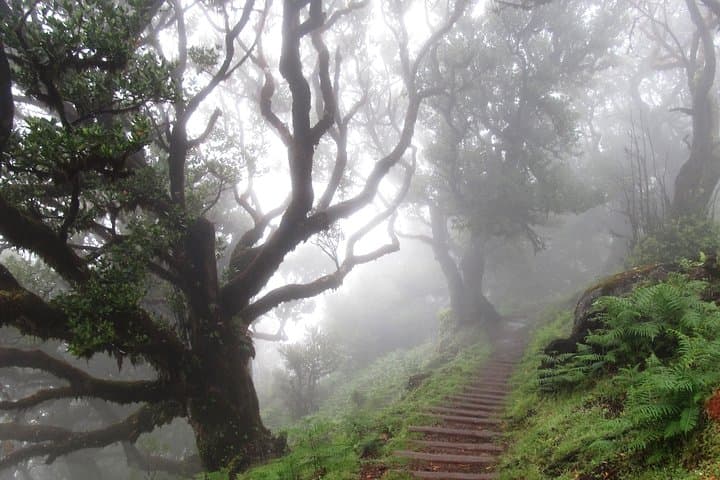
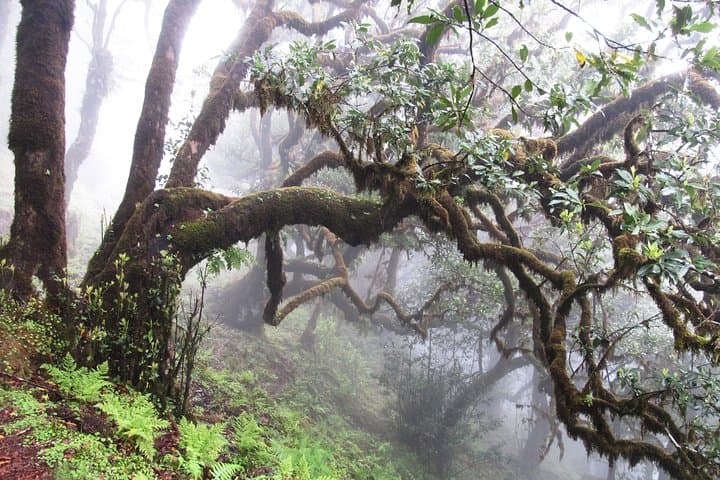
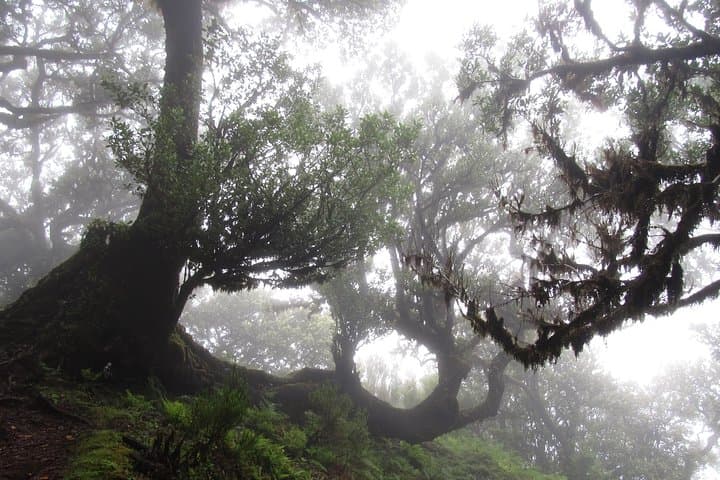
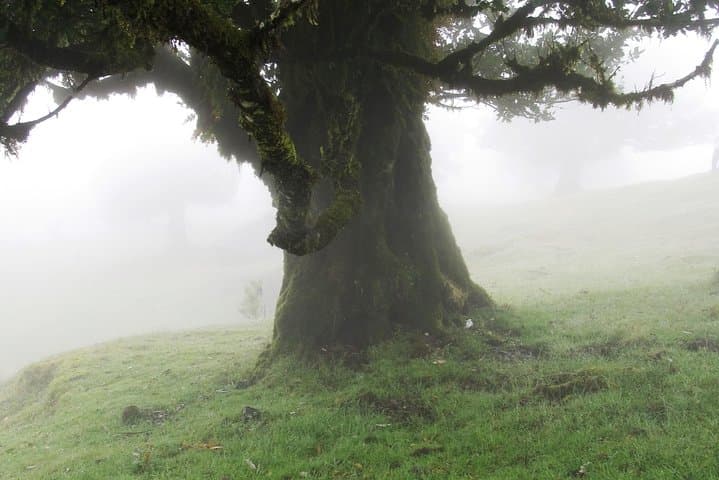
You step out of the van and the air changes—cooler, moist, and green—like the island itself is inhaling. Towering centennial trees bend light into shafts; moss wraps trunks and boulders as if the forest is wearing careful stitchwork. A narrow track leads into Fanal, where the laurel forest’s slow, patient presence makes each footfall feel measured.
You step out of the van and the air changes—cooler, moist, and green—like the island itself is inhaling. Towering centennial trees bend light into shafts; moss wraps trunks and boulders as if the forest is wearing careful stitchwork. A narrow track leads into Fanal, where the laurel forest’s slow, patient presence makes each footfall feel measured.
Geology here is volcanic: basaltic plateaus and old lava flows shaped Paul da Serra’s plateau and created the highland basin where Fanal’s humidity lingers. The laurisilva is a relic of the Tertiary, surviving glacial shifts that reshaped Europe; its twisted, ancient laurels and heathers are part of the UNESCO-listed Madeira laurel forest.
Locals long used these forests for grazing and small-scale timber, and the landscape still carries rural markers—stone walls, shepherd tracks, and roadside viewpoints that open toward the jagged north coast.
On a guided 2–3 hour walk you can expect gentle trails, interpretive stops at centuries-old trees, and wide views over the north Atlantic on clear days. The forest keeps wildlife modest: Trocaz pigeons call from the canopy; Madeira lizards sun on warm rocks. Guides typically provide local context and light snacks or tea.
Practical tips: wear grippy shoes and layered clothing—weather shifts fast at altitude. Bring water, a waterproof shell, and a camera with a wide-angle lens for dramatic trunks and mist. Morning light is best for photos and cooler temperatures; afternoons can be windier. Respect the protected habitat by staying on paths and following your guide’s instructions—this small forest’s survival depends on mindful visitors.