THE ADVENTURE COLLECTIVE® · Independent discovery and booking for outdoor travel

Walk with your child through the steep vineyards of Côte Rôtie, learn how geology and climate shape Syrah, and enjoy local snacks and tastings at scenic viewpoints. This two-hour guided experience balances storytelling, outdoor exploration and a family-friendly tasting.
Walk with your child through the steep vineyards of Côte Rôtie, learn how geology and climate shape Syrah, and enjoy local snacks and tastings at scenic viewpoints. This two-hour guided experience balances storytelling, outdoor exploration and a family-friendly tasting.
A parent and child set off from the château in Ampuis, gravel crunching under small shoes as the guide points up at steep rows of vines clinging to the slope. The Northern Rhône opens out in bands of green and stone—sun warming the shale, wind tracing the terraces—and the guide tucks stories between rows: how growers shaped terraces by hand, why the vines lean toward the Rhône, and how modern weather shifts are changing harvest calendars.
Verified experiences and guided adventures in the surrounding area.
Operated by Mr Probus Vienne · Ampuis, Auvergne-Rhône-Alpes
A parent and child set off from the château in Ampuis, gravel crunching under small shoes as the guide points up at steep rows of vines clinging to the slope. The Northern Rhône opens out in bands of green and stone—sun warming the shale, wind tracing the terraces—and the guide tucks stories between rows: how growers shaped terraces by hand, why the vines lean toward the Rhône, and how modern weather shifts are changing harvest calendars.
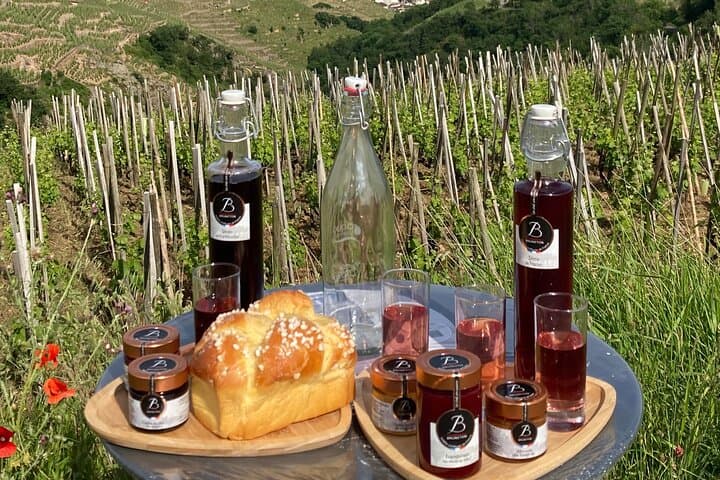
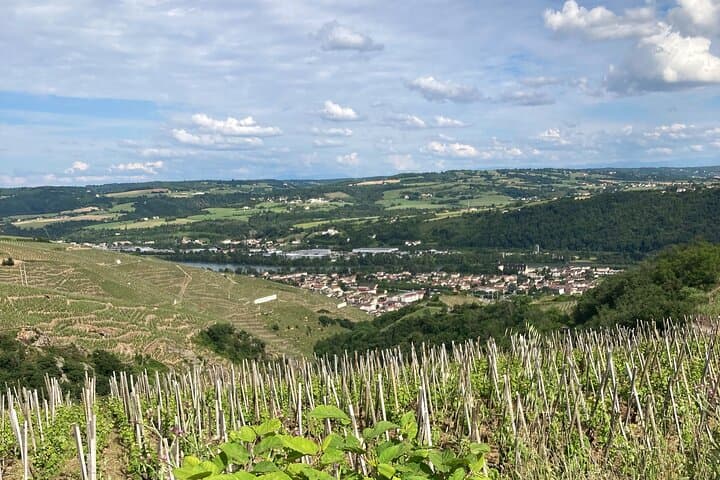
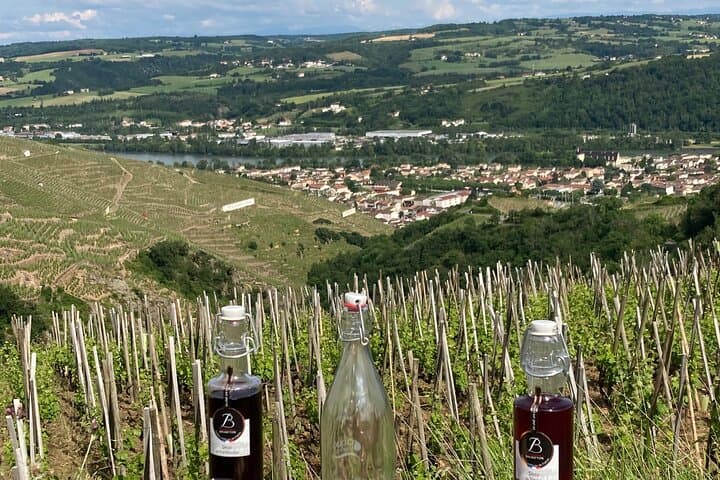
Côte Rôtie means “roasted slope,” a name that speaks to geology as much as heat: schist and gneiss soils drive drainage and intensity in Syrah grapes. The walk pauses at the Boucharay viewpoint for an explanation of the valley’s microclimates, then at a roadside near the village church for a snack—brioche, water, syrup and local Bruneton confiture—while adults sample local wines (children receive non-alcoholic refreshments). The region’s viticultural history threads Roman-era plantings through medieval tenancy to the boutique domaines of today.
Practicalities are straightforward: meet at 86 Boulevard des Allées/Château d’Ampuis, bring your own transport, and expect two hours with brief uphill sections on uneven farm tracks. Wear sturdy shoes, sun protection, and layers for the breezy ridge tops; bring water for kids and adults. The guide moderates pace for families and highlights small natural details—bee activity on vine flowers, the scrub pines edging a dry stone wall—turning a tasting into an accessible outdoor lesson about landscape, climate and local foodcraft.
moderate.
2 hours.
Participants should have a moderate level of fitness able to walk short uneven slopes and stand during explanations
Yes—this tour is designed for parent-child duos; guides adapt pace and content for younger participants and provide non-alcoholic refreshments for children.
Adults receive a local wine tasting during the visit; children are served snacks and non-alcoholic options.
Meet in front of the Château d’Ampuis (86 Boulevard des Allées). The tour requires arriving by your own transport—confirm parking with the operator if needed.
Infants and small children can use a pram or stroller on flatter sections, but expect uneven terrain on the hillside stops where carrying may be necessary.
Vine cultivation on these slopes dates back centuries; Côte Rôtie’s steep terraces were progressively shaped by local growers and rose to prominence in modern French fine wine culture.
Vineyard conservation focuses on soil preservation and water management; visitors are asked to stay on paths and avoid disturbing vines to reduce erosion and plant stress.
Mr Probus Vienne operates guided outdoor trips and adventures with an emphasis on safety, stewardship, and memorable experiences.
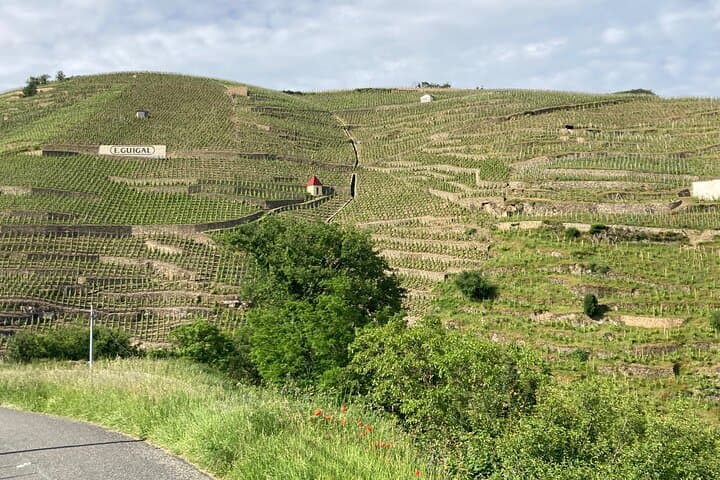
A parent and child set off from the château in Ampuis, gravel crunching under small shoes as the guide points up at steep rows of vines clinging to the slope. The Northern Rhône opens out in bands of green and stone—sun warming the shale, wind tracing the terraces—and the guide tucks stories between rows: how growers shaped terraces by hand, why the vines lean toward the Rhône, and how modern weather shifts are changing harvest calendars.
A parent and child set off from the château in Ampuis, gravel crunching under small shoes as the guide points up at steep rows of vines clinging to the slope. The Northern Rhône opens out in bands of green and stone—sun warming the shale, wind tracing the terraces—and the guide tucks stories between rows: how growers shaped terraces by hand, why the vines lean toward the Rhône, and how modern weather shifts are changing harvest calendars.
Côte Rôtie means “roasted slope,” a name that speaks to geology as much as heat: schist and gneiss soils drive drainage and intensity in Syrah grapes. The walk pauses at the Boucharay viewpoint for an explanation of the valley’s microclimates, then at a roadside near the village church for a snack—brioche, water, syrup and local Bruneton confiture—while adults sample local wines (children receive non-alcoholic refreshments). The region’s viticultural history threads Roman-era plantings through medieval tenancy to the boutique domaines of today.
Practicalities are straightforward: meet at 86 Boulevard des Allées/Château d’Ampuis, bring your own transport, and expect two hours with brief uphill sections on uneven farm tracks. Wear sturdy shoes, sun protection, and layers for the breezy ridge tops; bring water for kids and adults. The guide moderates pace for families and highlights small natural details—bee activity on vine flowers, the scrub pines edging a dry stone wall—turning a tasting into an accessible outdoor lesson about landscape, climate and local foodcraft.