THE ADVENTURE COLLECTIVE® · Independent discovery and booking for outdoor travel

Spend a day walking with trained llamas through Quebrada Pumahuanca, led by local breeders who share traditional packing skills, ecology, and Andean culture. This family-friendly full-day trek mixes gentle uphill hikes, an archaeological pause at Inkarakai, and an outdoor picnic.
Spend a day walking with trained llamas through Quebrada Pumahuanca, led by local breeders who share traditional packing skills, ecology, and Andean culture. This family-friendly full-day trek mixes gentle uphill hikes, an archaeological pause at Inkarakai, and an outdoor picnic.
Dawn brings a thin light to the valley as your group meets at the Llama Pack Base Camp in Quebrada Pumahuanca. Llamas shift and chew, patient and sure-footed, while local hosts unfurl ropes and explain the day's rhythm. The trail climbs gently at first, following a river that keeps time with the walk, then moves into streaks of native Queñual and Aliso where wind and altitude shape the trees into compact, gnarled forms.
Verified experiences and guided adventures in the surrounding area.
Operated by Class Adventure Travel · Cusco, Cusco
Dawn brings a thin light to the valley as your group meets at the Llama Pack Base Camp in Quebrada Pumahuanca. Llamas shift and chew, patient and sure-footed, while local hosts unfurl ropes and explain the day's rhythm. The trail climbs gently at first, following a river that keeps time with the walk, then moves into streaks of native Queñual and Aliso where wind and altitude shape the trees into compact, gnarled forms.
This walk threads living culture with high-Andean ecology. The Llama Pack Project pairs local guilds of llama breeders with visitors to create income and pass on traditional packing techniques; nearby terraces and the archaeological site of Inkarakai show how people have worked and moved goods across these slopes for centuries. Geologically, the valley is cut from uplifted volcaniclastic beds and glacially carved bowls—expect rocky stream crossings and stable, stony soil on steeper pitches.
Practical guidance: the full-day trek is about 6 hours total with uphill sections at a steady, family-friendly pace and a picnic stop beneath Inkarakai ruins. There are no formal bathrooms on trail; bring waste bags. Acclimatize in Cusco or the Sacred Valley for at least 48 hours before you go. Wear closed trekking shoes, layered clothing for brisk wind and sun, and carry 1–2 liters of water per person.
Conversation with hosts is the point: ask about llama breeds, traditional pack loads, and local conservation. Expect a slow, educational pace where animals and people lead the learning.
moderate.
6 hours.
Suitable for families with moderate fitness; steady walking on uphill sections, not technical but expect uneven terrain.
Yes—this family-specific full-day trek is paced for families; small children can use a trekking child carrier if needed and handlers manage llama interactions.
The area sits in the high-Andean zone; participants should acclimatize in Cusco or the Sacred Valley for at least 48 hours to reduce altitude sickness risk.
Base Camp has a chemical urinal and communities have latrines; on-trail facilities are limited—carry supplies for responsible waste if needed.
If llamas are unavailable due to weather or community needs, local hosts will continue the educational and walking program without them.
The route passes Inkarakai ruins and follows corridors used historically for moving goods; modern Llama Pack efforts connect that heritage to community livelihoods.
The Llama Pack Project emphasizes low-impact visitation and income for local families; visitors are asked to follow leave-no-trace practices and support local crafts and guides.
Class Adventure Travel operates guided outdoor trips and adventures with an emphasis on safety, stewardship, and memorable experiences.
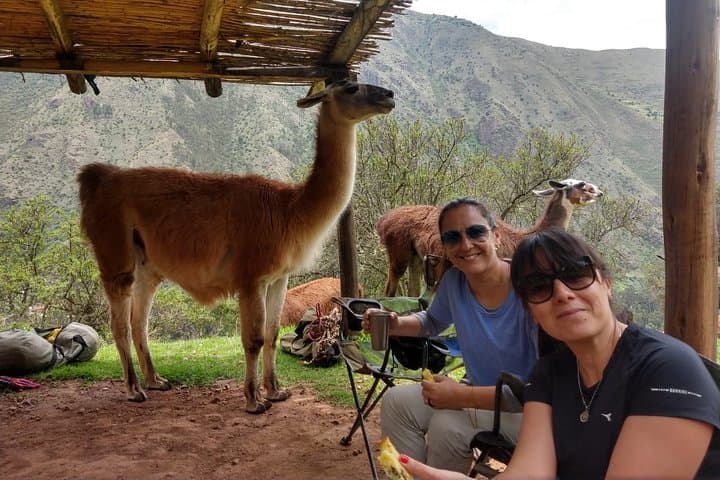
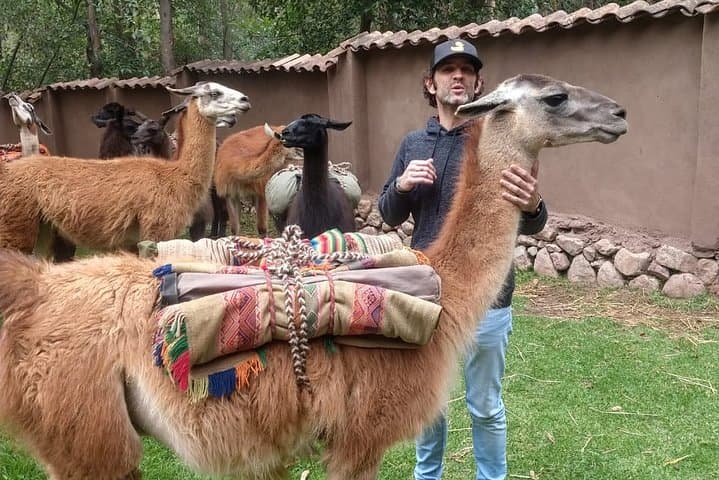
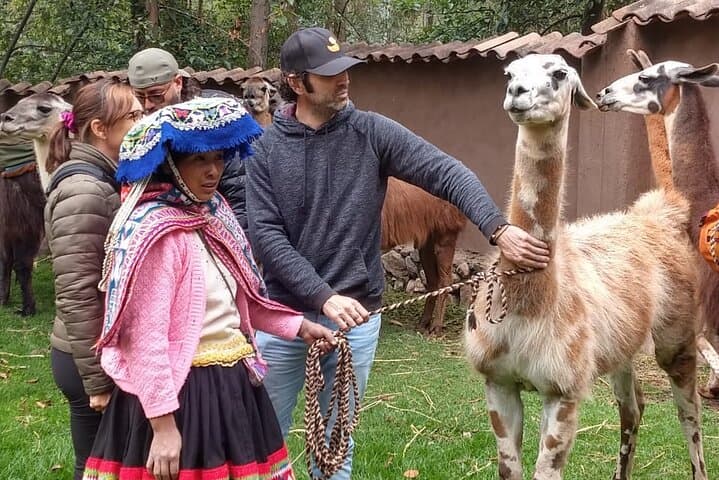

Dawn brings a thin light to the valley as your group meets at the Llama Pack Base Camp in Quebrada Pumahuanca. Llamas shift and chew, patient and sure-footed, while local hosts unfurl ropes and explain the day's rhythm. The trail climbs gently at first, following a river that keeps time with the walk, then moves into streaks of native Queñual and Aliso where wind and altitude shape the trees into compact, gnarled forms.
Dawn brings a thin light to the valley as your group meets at the Llama Pack Base Camp in Quebrada Pumahuanca. Llamas shift and chew, patient and sure-footed, while local hosts unfurl ropes and explain the day's rhythm. The trail climbs gently at first, following a river that keeps time with the walk, then moves into streaks of native Queñual and Aliso where wind and altitude shape the trees into compact, gnarled forms.
This walk threads living culture with high-Andean ecology. The Llama Pack Project pairs local guilds of llama breeders with visitors to create income and pass on traditional packing techniques; nearby terraces and the archaeological site of Inkarakai show how people have worked and moved goods across these slopes for centuries. Geologically, the valley is cut from uplifted volcaniclastic beds and glacially carved bowls—expect rocky stream crossings and stable, stony soil on steeper pitches.
Practical guidance: the full-day trek is about 6 hours total with uphill sections at a steady, family-friendly pace and a picnic stop beneath Inkarakai ruins. There are no formal bathrooms on trail; bring waste bags. Acclimatize in Cusco or the Sacred Valley for at least 48 hours before you go. Wear closed trekking shoes, layered clothing for brisk wind and sun, and carry 1–2 liters of water per person.
Conversation with hosts is the point: ask about llama breeds, traditional pack loads, and local conservation. Expect a slow, educational pace where animals and people lead the learning.