THE ADVENTURE COLLECTIVE® · Independent discovery and booking for outdoor travel

Learn to surf as a family on the sheltered beach of Playa Sámara, where gentle breaks, certified lifeguard-instructors, and rental gear make learning safe and accessible. This concise guide explains what to expect, local context, and practical tips for planning your lesson.
Learn to surf as a family on the sheltered beach of Playa Sámara, where gentle breaks, certified lifeguard-instructors, and rental gear make learning safe and accessible. This concise guide explains what to expect, local context, and practical tips for planning your lesson.
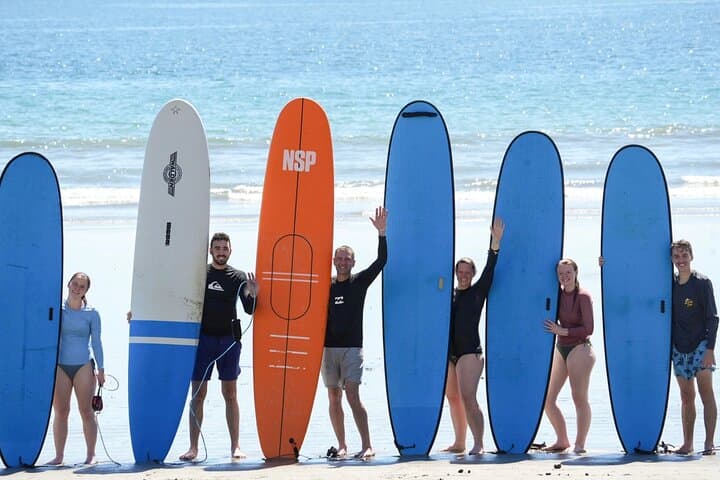
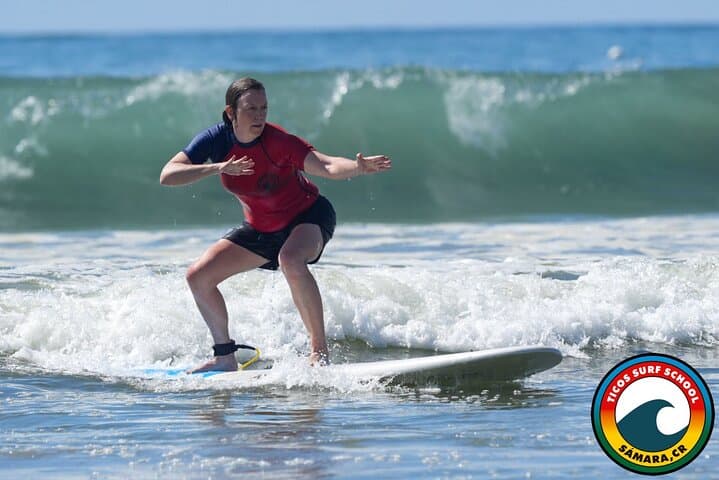
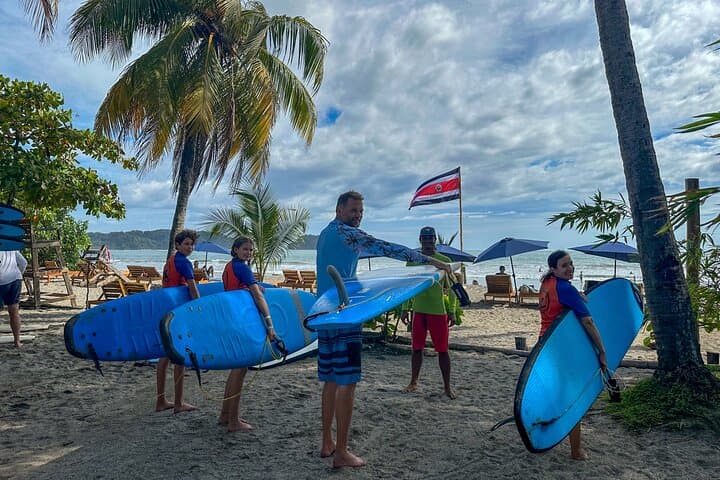
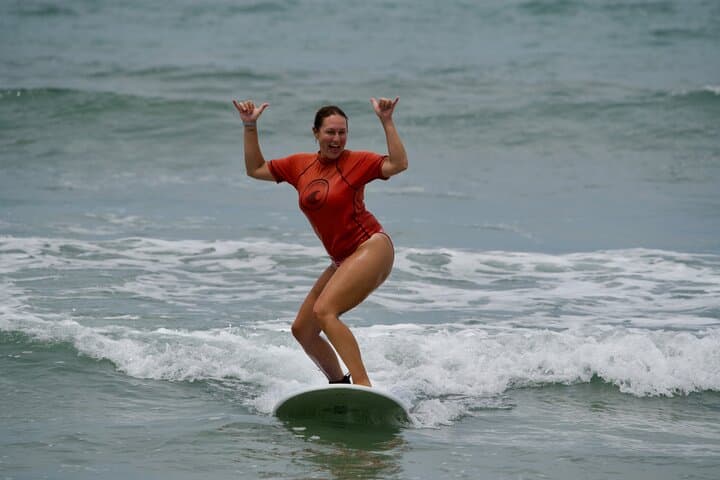
A warm Pacific wind moves the palm fronds as foam fingers the shoreline of Playa Sámara, and instructors from a family-run school walk students through the surf with measured calm. The bay’s gentle peel and sandy bottom make it a forgiving classroom: boards bob like patient teachers while small sets roll in to be practiced and ridden.
Verified experiences and guided adventures in the surrounding area.
Operated by Ticos Surf School · Sámara, Guanacaste
A warm Pacific wind moves the palm fronds as foam fingers the shoreline of Playa Sámara, and instructors from a family-run school walk students through the surf with measured calm. The bay’s gentle peel and sandy bottom make it a forgiving classroom: boards bob like patient teachers while small sets roll in to be practiced and ridden.
Sámara began as a quiet fishing village on the Nicoya Peninsula and grew around its protected bay and easy beach breaks. The local shoreline sits on volcanic foundations of the peninsula; the broad crescent of sand and offshore rock bars shape the mellow waves that suit learners. Culturally, Sámara still carries the rhythm of sea-based life—fishermen, small homestays, and an emphasis on low-key hospitality.
Practical guidance is straightforward: lessons run about 60–90 minutes and begin with land drills—pop-ups, board handling, safety briefings—before entering waist-to-chest-deep water. Certified lifeguards lead classes and choose boards to match size and skill; families, kids, and solo travelers are commonly grouped. Expect variable schedules tied to tide and swell; operators typically arrange exact times a few days ahead.
Bring reef-safe sunscreen, a light rashguard (often provided), and basic swimming comfort. Hydration and a short warm-up will help prevent cramps. After the lesson, complimentary board loan time lets learners practice while the ocean keeps testing technique. For families seeking a low-stress introduction to surfing, Sámara pairs approachable waves with attentive instructors and a beach that rewards repeat sessions.
moderate.
1–1.5 hours.
Light to moderate fitness; ability to swim and tread water comfortably is recommended
Basic swimming ability and comfort in waist-to-chest-deep water are required; instructors will assess each participant and keep beginners in shallow, supervised conditions.
Schools typically accept young children and adults; disclose ages at booking so instructors can provide appropriate boards and supervision.
Yes — many schools provide free board loan time after lessons so students can practice independently for a period.
Standard policy allows full refunds if cancelled at least 24 hours in advance; lessons may be rescheduled or cancelled for unsafe surf or weather conditions.
Sámara grew from a fishing community on the Nicoya Peninsula; its protected bay made it a natural spot for small-scale settlement and, later, tourism focused on surfing and nature.
Local groups and operators emphasize turtle-nesting protection and reef-safe sunscreen; visitors are asked to avoid disturbing nests and to use biodegradable products.
Ticos Surf School operates guided outdoor trips and adventures with an emphasis on safety, stewardship, and memorable experiences.
A warm Pacific wind moves the palm fronds as foam fingers the shoreline of Playa Sámara, and instructors from a family-run school walk students through the surf with measured calm. The bay’s gentle peel and sandy bottom make it a forgiving classroom: boards bob like patient teachers while small sets roll in to be practiced and ridden.
A warm Pacific wind moves the palm fronds as foam fingers the shoreline of Playa Sámara, and instructors from a family-run school walk students through the surf with measured calm. The bay’s gentle peel and sandy bottom make it a forgiving classroom: boards bob like patient teachers while small sets roll in to be practiced and ridden.
Sámara began as a quiet fishing village on the Nicoya Peninsula and grew around its protected bay and easy beach breaks. The local shoreline sits on volcanic foundations of the peninsula; the broad crescent of sand and offshore rock bars shape the mellow waves that suit learners. Culturally, Sámara still carries the rhythm of sea-based life—fishermen, small homestays, and an emphasis on low-key hospitality.
Practical guidance is straightforward: lessons run about 60–90 minutes and begin with land drills—pop-ups, board handling, safety briefings—before entering waist-to-chest-deep water. Certified lifeguards lead classes and choose boards to match size and skill; families, kids, and solo travelers are commonly grouped. Expect variable schedules tied to tide and swell; operators typically arrange exact times a few days ahead.
Bring reef-safe sunscreen, a light rashguard (often provided), and basic swimming comfort. Hydration and a short warm-up will help prevent cramps. After the lesson, complimentary board loan time lets learners practice while the ocean keeps testing technique. For families seeking a low-stress introduction to surfing, Sámara pairs approachable waves with attentive instructors and a beach that rewards repeat sessions.