THE ADVENTURE COLLECTIVE® · Independent discovery and booking for outdoor travel

Short approaches and long laps on granite: this 4-hour family rock-climbing trip in Joshua Tree pairs kid-friendly gear with certified guides to get everyone—from toddlers to grandparents—on the rock. Read on for what to expect and how to prepare.
Short approaches and long laps on granite: this 4-hour family rock-climbing trip in Joshua Tree pairs kid-friendly gear with certified guides to get everyone—from toddlers to grandparents—on the rock. Read on for what to expect and how to prepare.
The morning sun hits the granite like a signal—warm, firm, ready. A family tightens harnesses beneath the ragged silhouettes of Joshua trees; a toddler tests fingertip grip on a low boulder while a teenager studies a crack with the careful intensity of someone about to try something new. For four hours, the park reorients itself around vertical movement: hands searching edges, rubber soles whispering on slab, guides calling encouragement from belay stations.
Verified experiences and guided adventures in the surrounding area.
Operated by Stone Adventures · Joshua Tree, California
The morning sun hits the granite like a signal—warm, firm, ready. A family tightens harnesses beneath the ragged silhouettes of Joshua trees; a toddler tests fingertip grip on a low boulder while a teenager studies a crack with the careful intensity of someone about to try something new. For four hours, the park reorients itself around vertical movement: hands searching edges, rubber soles whispering on slab, guides calling encouragement from belay stations.
Joshua Tree is a climber's grammar lesson. The park's monzogranite was born of slow-cooling magma and sculpted by eons of wind and thermal stress, creating the rounded boulders and smooth faces that make it one of North America's most prolific short-route climbing areas. Its history stretches farther back: for millennia, Cahuilla, Serrano, and Chemehuevi peoples moved through these deserts, reading water and seasons in a landscape that can be brittle and generous in turn. Modern climbers began routing here in the mid-20th century; today the park lists over 9,000 documented routes, a mix of tradition, sport, and bouldering lines.
A guided family climb compresses that breadth into a single, carefully chosen crag. Guides choose routes with short approaches and big payoff, so most of the trip is spent on the rock rather than walking. That makes this format ideal for mixed-ability groups: parents, kids, and grandparents can rotate through top-rope routes or low-angle slab with full-body harnesses for toddlers and kid-sized helmets. Instructors bring the hardware, set anchors, and teach safe movement and belaying techniques in plain language—practical lessons that translate into confidence on future climbs.
Practicalities matter out here. Expect exposed sun and little shade—start early in summer or aim for the cooler hours in spring and fall. Hydrate before you arrive and plan for at least one liter per person for a half-day; carry snacks that replace electrolytes and calories. Wear closed-toe shoes with good tread and layers you can strip on the approach and snap back on when wind arrives. Guides tailor rope systems and routes to ages and comfort levels, so communicate objectives when you book.
Beyond the climbs, the park offers quiet rewards: scrub chatter of desert birds, the angular silhouette of the Joshua tree against sky, and the odd wind-polished face that invites a second look. For families, the trip is part outdoor school, part shared challenge—an afternoon that gives kids tools and stories to carry home.
moderate.
4 hours.
Moderate fitness—comfortable with short hikes, scrambling, and standing on your feet for several hours.
Guides have worked with ages 2–80 and carry child-specific helmets and full-body harnesses; disclose ages when booking.
Yes—ropes, harnesses, helmets, and climbing hardware are provided; guides may supply kid-sized shoes and helmets as available.
Exact meeting location inside Joshua Tree National Park is provided after booking and varies by season to optimize conditions.
No prior experience required—guides instruct beginners; more experienced climbers can be set on harder routes.
Specialty full-body harnesses are available, but discuss medical considerations with your guide and book accordingly.
All sales are final and nonrefundable, so plan carefully; contact the operator with any special concerns before booking.
The park sits on lands used historically by Cahuilla and Serrano peoples; mid-20th-century climbers established many classic routes that remain popular.
Stay on designated trails, avoid brushing fragile cryptobiotic soil crust, and pack out all trash; climbing hardware should be used responsibly to protect rock faces.
Stone Adventures operates guided outdoor trips and adventures with an emphasis on safety, stewardship, and memorable experiences.
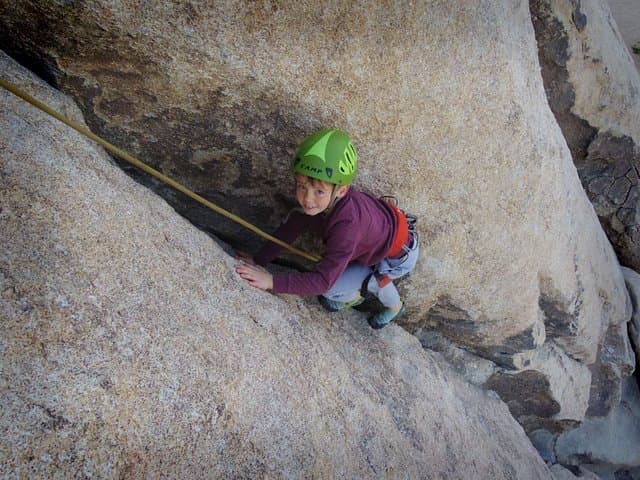
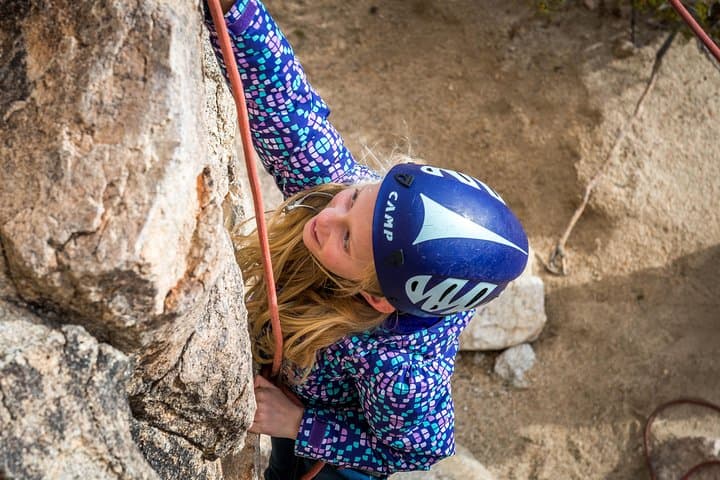
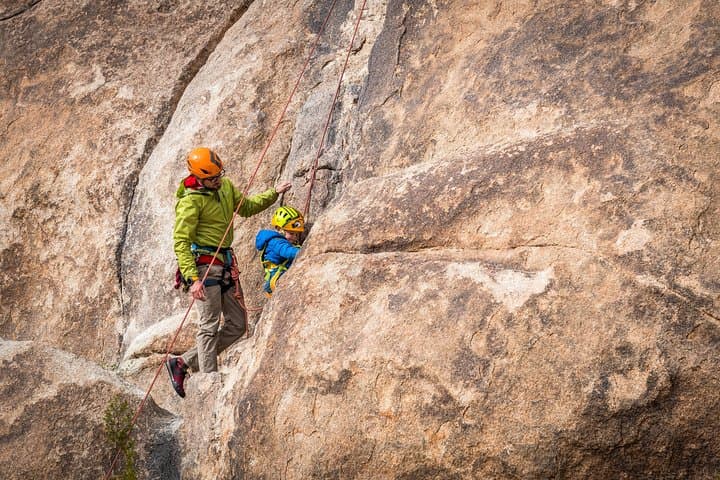
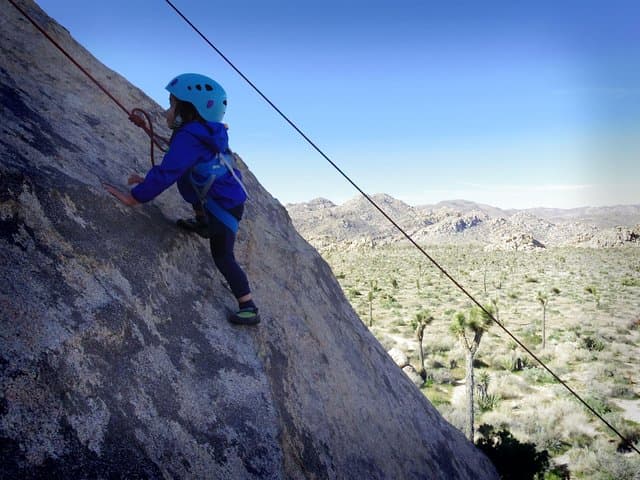
The morning sun hits the granite like a signal—warm, firm, ready. A family tightens harnesses beneath the ragged silhouettes of Joshua trees; a toddler tests fingertip grip on a low boulder while a teenager studies a crack with the careful intensity of someone about to try something new. For four hours, the park reorients itself around vertical movement: hands searching edges, rubber soles whispering on slab, guides calling encouragement from belay stations.
The morning sun hits the granite like a signal—warm, firm, ready. A family tightens harnesses beneath the ragged silhouettes of Joshua trees; a toddler tests fingertip grip on a low boulder while a teenager studies a crack with the careful intensity of someone about to try something new. For four hours, the park reorients itself around vertical movement: hands searching edges, rubber soles whispering on slab, guides calling encouragement from belay stations.
Joshua Tree is a climber's grammar lesson. The park's monzogranite was born of slow-cooling magma and sculpted by eons of wind and thermal stress, creating the rounded boulders and smooth faces that make it one of North America's most prolific short-route climbing areas. Its history stretches farther back: for millennia, Cahuilla, Serrano, and Chemehuevi peoples moved through these deserts, reading water and seasons in a landscape that can be brittle and generous in turn. Modern climbers began routing here in the mid-20th century; today the park lists over 9,000 documented routes, a mix of tradition, sport, and bouldering lines.
A guided family climb compresses that breadth into a single, carefully chosen crag. Guides choose routes with short approaches and big payoff, so most of the trip is spent on the rock rather than walking. That makes this format ideal for mixed-ability groups: parents, kids, and grandparents can rotate through top-rope routes or low-angle slab with full-body harnesses for toddlers and kid-sized helmets. Instructors bring the hardware, set anchors, and teach safe movement and belaying techniques in plain language—practical lessons that translate into confidence on future climbs.
Practicalities matter out here. Expect exposed sun and little shade—start early in summer or aim for the cooler hours in spring and fall. Hydrate before you arrive and plan for at least one liter per person for a half-day; carry snacks that replace electrolytes and calories. Wear closed-toe shoes with good tread and layers you can strip on the approach and snap back on when wind arrives. Guides tailor rope systems and routes to ages and comfort levels, so communicate objectives when you book.
Beyond the climbs, the park offers quiet rewards: scrub chatter of desert birds, the angular silhouette of the Joshua tree against sky, and the odd wind-polished face that invites a second look. For families, the trip is part outdoor school, part shared challenge—an afternoon that gives kids tools and stories to carry home.