THE ADVENTURE COLLECTIVE® · Independent discovery and booking for outdoor travel

Bring kids to the Louvre for a hands-on tour through ancient Egypt: decode hieroglyphs, see sarcophagi up close and follow a guided Nile-themed scavenger hunt. Practical for families—two hours, stroller-friendly, and museum admission handled on-site.
Bring kids to the Louvre for a hands-on tour through ancient Egypt: decode hieroglyphs, see sarcophagi up close and follow a guided Nile-themed scavenger hunt. Practical for families—two hours, stroller-friendly, and museum admission handled on-site.
You step through the Louvre's glass pyramid and the city noise softens into the cool hush of galleries. Light falls across limestone stelae and the dark, glossy eyes of a sarcophagus seem to watch you as your guide, trained to read objects like maps, leads a family through the Nile's story. Children trace hieroglyphs, decode symbols and peer up at the Colossus of Akhenaton—learning by doing rather than memorizing.
Verified experiences and guided adventures in the surrounding area.
Operated by UTG EXPERIENCE · Paris, Île-de-France
You step through the Louvre's glass pyramid and the city noise softens into the cool hush of galleries. Light falls across limestone stelae and the dark, glossy eyes of a sarcophagus seem to watch you as your guide, trained to read objects like maps, leads a family through the Nile's story. Children trace hieroglyphs, decode symbols and peer up at the Colossus of Akhenaton—learning by doing rather than memorizing.
The Louvre began as a medieval fortress and grew into a royal palace and the world's largest art museum; its Egyptian collection grew with 18th– and 19th-century expeditions and donations, bringing stone, faience and papyrus from the Nile. Geology shows in the rooms too: Tura limestone, granodiorite and basalt reveal quarrying and trade routes that shaped pharaonic economies. Culturally, the galleries map ancient beliefs—funerary rites, scribe workshops and the centrality of the Nile as both resource and myth.
Practically, this small-group program is paced for families—about two hours with hands-on activities and a scavenger-style progression. Expect gentle walking on even floors, clear signage, and the need to purchase museum entry (handled by the guide at meeting). Bring lightweight layers for the central court, a small day bag for essentials, and a camera (no flash near sensitive pieces). Arrive early to use public transit options nearby and carry ID if claiming youth or EU resident free admission. The experience blends storytelling, tangible history and a kid-friendly structure that keeps attention while delivering real context on ancient Egypt.
easy.
2 hours.
Suitable for all fitness levels; light standing and walking on even surfaces.
No—this tour handles museum admission at the meeting point; bring payment for the ticket and any ID for free admission eligibility.
Yes—it's designed for families, with hands-on activities and a paced, interactive format, but children must be accompanied by an adult.
Most routes and surfaces used on this tour are wheelchair- and stroller-accessible; notify special requirements when booking.
The focus is the Egyptian collection; while guests may access other wings independently, the guided itinerary centers on ancient Egypt.
The Louvre began as a 12th-century fortress, later a royal palace; its Egyptian holdings expanded through 18th–19th-century expeditions and donations.
The museum maintains strict climate control and conservation protocols—visitors are asked not to touch artifacts and to avoid flash photography near sensitive pieces.
UTG EXPERIENCE operates guided outdoor trips and adventures with an emphasis on safety, stewardship, and memorable experiences.
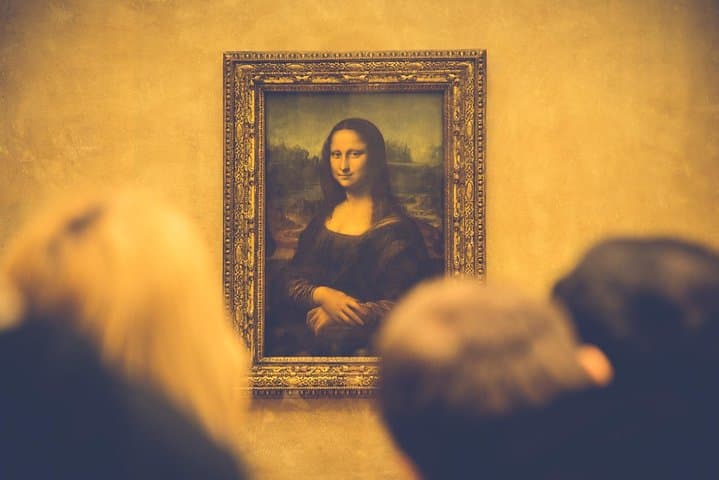
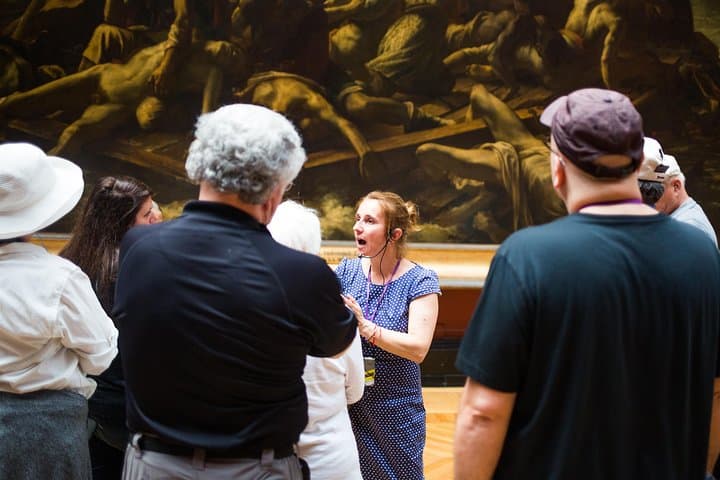
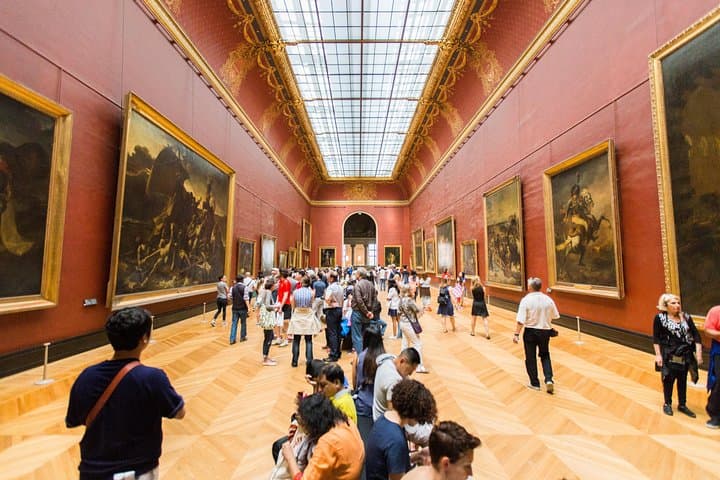
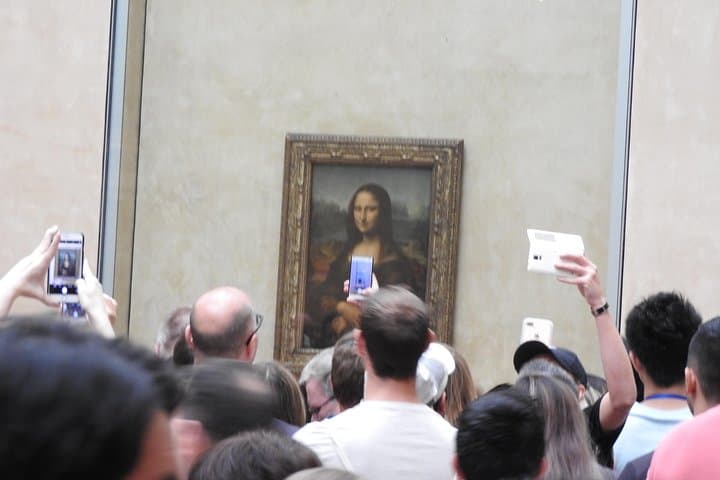
You step through the Louvre's glass pyramid and the city noise softens into the cool hush of galleries. Light falls across limestone stelae and the dark, glossy eyes of a sarcophagus seem to watch you as your guide, trained to read objects like maps, leads a family through the Nile's story. Children trace hieroglyphs, decode symbols and peer up at the Colossus of Akhenaton—learning by doing rather than memorizing.
You step through the Louvre's glass pyramid and the city noise softens into the cool hush of galleries. Light falls across limestone stelae and the dark, glossy eyes of a sarcophagus seem to watch you as your guide, trained to read objects like maps, leads a family through the Nile's story. Children trace hieroglyphs, decode symbols and peer up at the Colossus of Akhenaton—learning by doing rather than memorizing.
The Louvre began as a medieval fortress and grew into a royal palace and the world's largest art museum; its Egyptian collection grew with 18th– and 19th-century expeditions and donations, bringing stone, faience and papyrus from the Nile. Geology shows in the rooms too: Tura limestone, granodiorite and basalt reveal quarrying and trade routes that shaped pharaonic economies. Culturally, the galleries map ancient beliefs—funerary rites, scribe workshops and the centrality of the Nile as both resource and myth.
Practically, this small-group program is paced for families—about two hours with hands-on activities and a scavenger-style progression. Expect gentle walking on even floors, clear signage, and the need to purchase museum entry (handled by the guide at meeting). Bring lightweight layers for the central court, a small day bag for essentials, and a camera (no flash near sensitive pieces). Arrive early to use public transit options nearby and carry ID if claiming youth or EU resident free admission. The experience blends storytelling, tangible history and a kid-friendly structure that keeps attention while delivering real context on ancient Egypt.