THE ADVENTURE COLLECTIVE® · Independent discovery and booking for outdoor travel

Walk with llamas through Quebrada Pumahuanca and meet local breeder guilds while learning traditional pack techniques. This half-day family trek combines gentle uphill hiking, a hosted outdoor picnic, and a hands-on introduction to Andean conservation.
Walk with llamas through Quebrada Pumahuanca and meet local breeder guilds while learning traditional pack techniques. This half-day family trek combines gentle uphill hiking, a hosted outdoor picnic, and a hands-on introduction to Andean conservation.
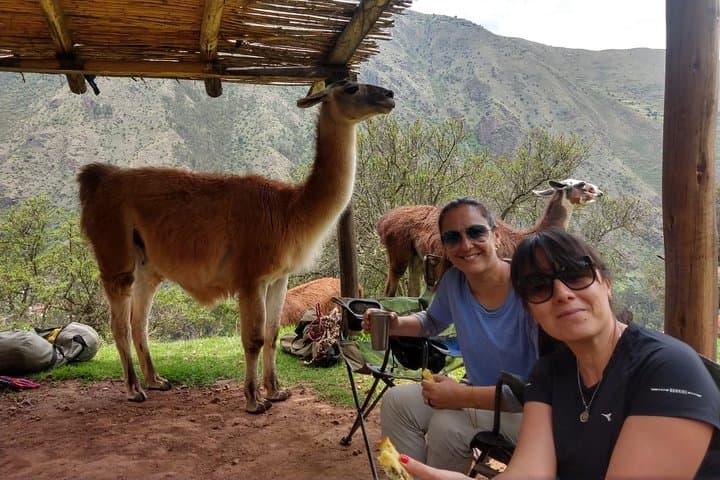
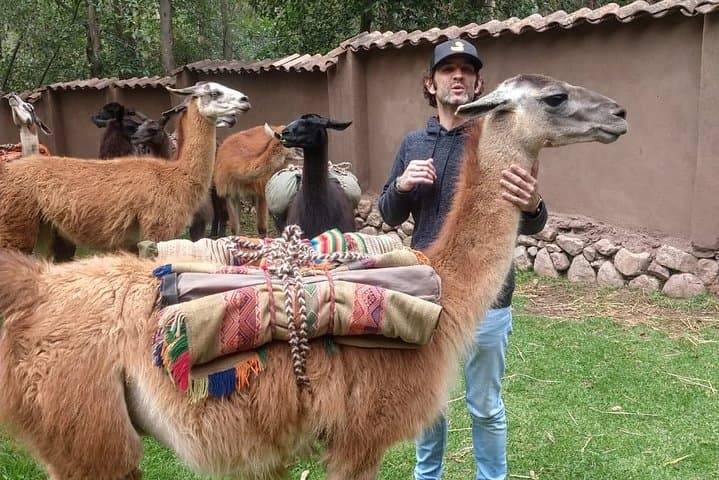
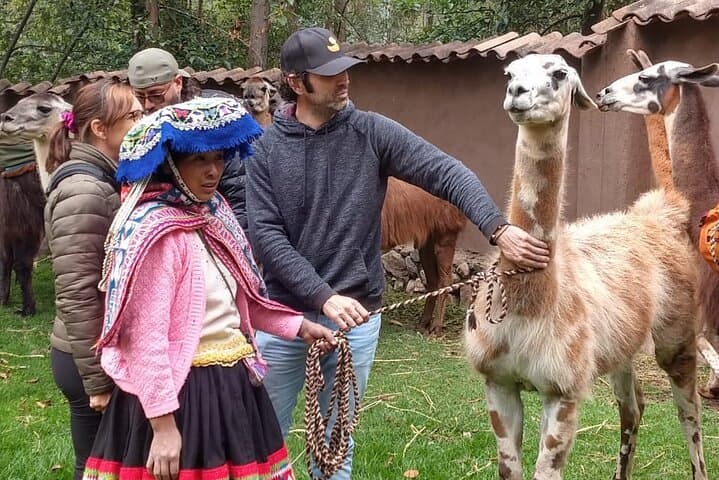
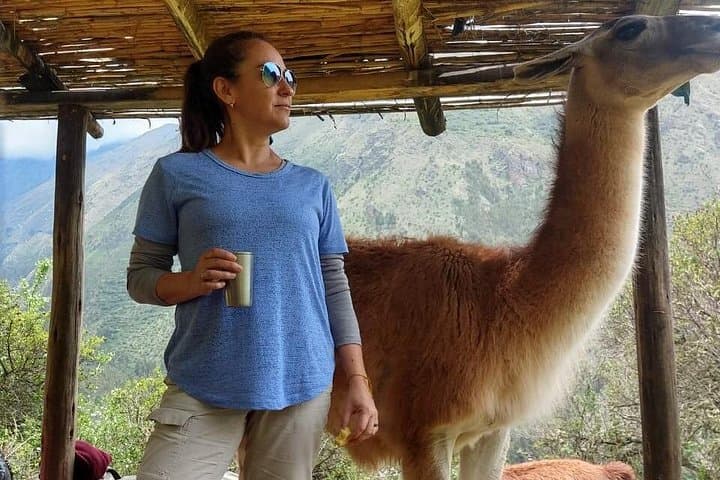
A low, ringing bell of wind passes over the ridge as you step out of the base camp in Quebrada Pumahuanca. Llamas, patient and sure-footed, file ahead with woven packs, their breath visible in the cool highland air while the valley spreads in terraces below. The rhythm is slow—parents guiding children, local hosts calling gentle instructions, and the trail folding upward in familiar zigzags.
Verified experiences and guided adventures in the surrounding area.
Operated by Class Adventure Travel · Urubamba, Cusco
A low, ringing bell of wind passes over the ridge as you step out of the base camp in Quebrada Pumahuanca. Llamas, patient and sure-footed, file ahead with woven packs, their breath visible in the cool highland air while the valley spreads in terraces below. The rhythm is slow—parents guiding children, local hosts calling gentle instructions, and the trail folding upward in familiar zigzags.
This walk threads living culture and Andean ecology: centuries-old camelid herding practices meet contemporary conservation through the Llama Pack Project, a community-led effort to create sustainable income and revive traditional pack routes. Geologically, you’re walking on uplifted volcanic and sedimentary beds carved into the Sacred Valley by time and meltwater, the soil carrying the faint scent of puna grass.
Hosts from local llama-breeding guilds explain packing techniques, llama care, and high-Andean life while you help prepare a picnic lunch—an accessible way for families to engage with rural livelihoods and mountain stewardship.
Practical essentials: the route is a steady uphill on dirt and stone paths, roughly 3 hours round-trip at an unhurried family pace. Altitude hovers around 3,200–3,500 m, so plan two days of acclimatization in Cusco or Urubamba beforehand. There are no formal restrooms on the trail; base camp offers a chemical latrine and community latrines at points. Bring a lightweight daypack, 1–2 liters of water per person, sun protection, and a warm layer for the picnic. Expect a private, interpreter-led experience that combines outdoor movement with cultural exchange—good for children who can walk or sit in a child carrier.
moderate.
3 hours.
Suitable for families with moderate fitness; participants should be comfortable walking uphill at a slow pace and able to manage short, uneven sections.
The activity takes place around 3,200–3,500 m; organizers recommend at least two days in Cusco or the Sacred Valley to acclimatize.
Yes—llamas carry gear and lead the pace; small children can walk sections or travel in a trekking child carrier if recommended by guides.
Base camp has a chemical latrine and the community has latrines; there are limited facilities on the trail, so plan accordingly.
Make your own way to Llama Pack Base Camp in Quebrada Pumahuanca—roughly a one-hour drive from central points in the Sacred Valley; check meeting details with the operator.
Llama herding is an ancient Andean livelihood; community guilds maintain traditional pack and weaving skills that predate Spanish colonial routes.
The Llama Pack Project links tourism to sustainable livelihoods, reducing pressure on grazing lands while promoting native plant regeneration and cultural education.
Class Adventure Travel operates guided outdoor trips and adventures with an emphasis on safety, stewardship, and memorable experiences.
A low, ringing bell of wind passes over the ridge as you step out of the base camp in Quebrada Pumahuanca. Llamas, patient and sure-footed, file ahead with woven packs, their breath visible in the cool highland air while the valley spreads in terraces below. The rhythm is slow—parents guiding children, local hosts calling gentle instructions, and the trail folding upward in familiar zigzags.
A low, ringing bell of wind passes over the ridge as you step out of the base camp in Quebrada Pumahuanca. Llamas, patient and sure-footed, file ahead with woven packs, their breath visible in the cool highland air while the valley spreads in terraces below. The rhythm is slow—parents guiding children, local hosts calling gentle instructions, and the trail folding upward in familiar zigzags.
This walk threads living culture and Andean ecology: centuries-old camelid herding practices meet contemporary conservation through the Llama Pack Project, a community-led effort to create sustainable income and revive traditional pack routes. Geologically, you’re walking on uplifted volcanic and sedimentary beds carved into the Sacred Valley by time and meltwater, the soil carrying the faint scent of puna grass.
Hosts from local llama-breeding guilds explain packing techniques, llama care, and high-Andean life while you help prepare a picnic lunch—an accessible way for families to engage with rural livelihoods and mountain stewardship.
Practical essentials: the route is a steady uphill on dirt and stone paths, roughly 3 hours round-trip at an unhurried family pace. Altitude hovers around 3,200–3,500 m, so plan two days of acclimatization in Cusco or Urubamba beforehand. There are no formal restrooms on the trail; base camp offers a chemical latrine and community latrines at points. Bring a lightweight daypack, 1–2 liters of water per person, sun protection, and a warm layer for the picnic. Expect a private, interpreter-led experience that combines outdoor movement with cultural exchange—good for children who can walk or sit in a child carrier.