THE ADVENTURE COLLECTIVE® · Independent discovery and booking for outdoor travel

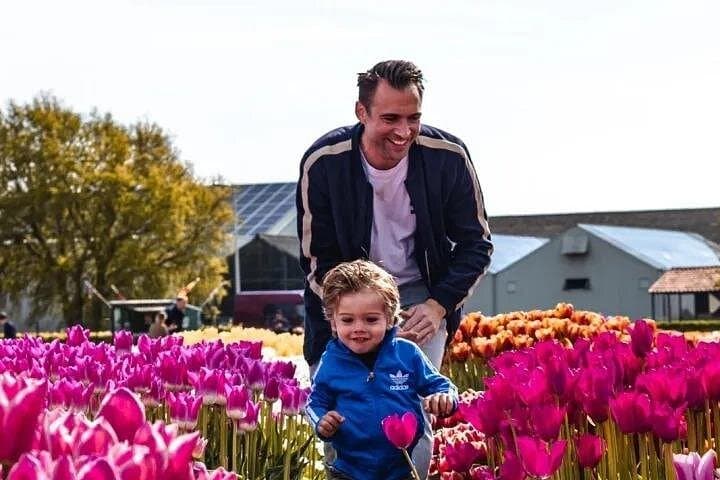
Stroll through Lisse’s tulip fields on a private half-day tour designed for families. Expect easy walking, kid-focused activities, and immersive learning about tulips, bulb farming, and local culture.
Stroll through Lisse’s tulip fields on a private half-day tour designed for families. Expect easy walking, kid-focused activities, and immersive learning about tulips, bulb farming, and local culture.
Under a wide Dutch sky the rows of tulips stand like color bands that dare you closer: scarlet, butter, violet and every grade between. On this private half-day around Lisse you move slowly through bulb country where the flowers are the cast and the wind is a quiet stagehand.
Verified experiences and guided adventures in the surrounding area.
Operated by Wanderlust Mama & Co · Lisse, North Holland
Under a wide Dutch sky the rows of tulips stand like color bands that dare you closer: scarlet, butter, violet and every grade between. On this private half-day around Lisse you move slowly through bulb country where the flowers are the cast and the wind is a quiet stagehand.
The bulb region—locally called the Bollenstreek—has shaped Dutch agriculture and commerce since the 17th century when tulips became an obsession. The sandy, well-drained soils and cool springs that come off the North Sea create the exact conditions bulbs need; what looks like choreographed color is the product of centuries of selective growing and trade.
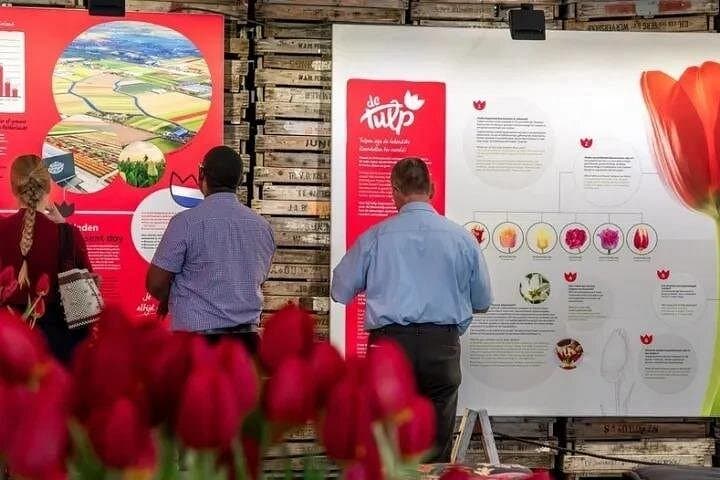
Culture here is practical and participatory: growers, small museums and village markets all point to an economy built on bulbs and tourism. Keukenhof and nearby private fields offer photo-ready rows and hands-on exhibits that explain planting cycles and hybridization.
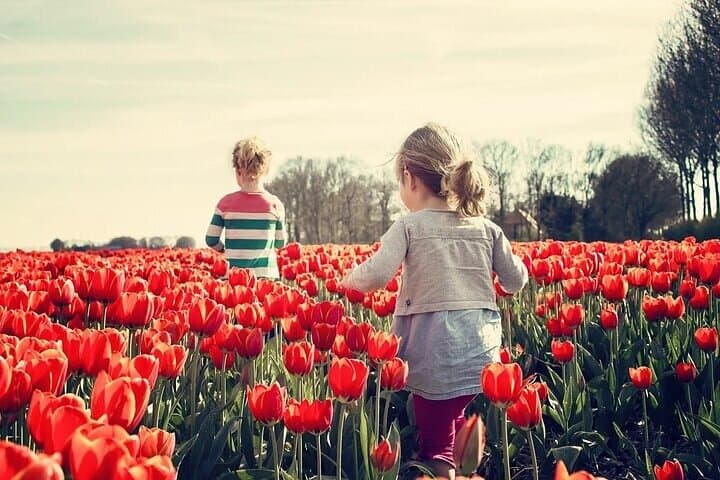
For families, the tour combines easy walking, child-friendly crafts and a scavenger hunt—activities timed for short attention spans and big smiles. Practical notes: peak bloom is typically mid-March to mid-May and weather can switch from sun to drizzle in hours, so layer up.
Timing your visit for early morning gets softer light and fewer crowds; mid-week is quieter than the weekend. Respect the fields: stick to paths, don’t pick bulbs or flowers, and follow your guide’s route. Bring a small daypack with water, sun protection and a camera or phone with a spare battery—this landscape is relentlessly photogenic and moves fast with the season.
easy.
3–4 hours.
Suitable for all fitness levels and families with small children; light walking on flat paths.
Peak bloom usually runs from mid-March through mid-May, but timing shifts by a few weeks depending on the winter and spring temperatures.
Yes—surfaces and transportation are stroller- and wheelchair-accessible, but some field paths may be uneven; check with the operator for specific accessibility needs.
No—picking bulbs or flowers in working fields is not allowed; many tours include tickets or vendor info for legal purchases.
This private tour is tailored to families; confirm the group size with the operator when booking to customize activities and supplies.
The Bollenstreek grew into an export hub after the 17th-century tulip craze; modern growers still specialize in bulbs and hybrid varieties that supply global markets.
Stay on paths, don't pick flowers, and support growers by buying bulbs from certified vendors—tourism helps but must limit trampling and waste.
Wanderlust Mama & Co operates guided outdoor trips and adventures with an emphasis on safety, stewardship, and memorable experiences.
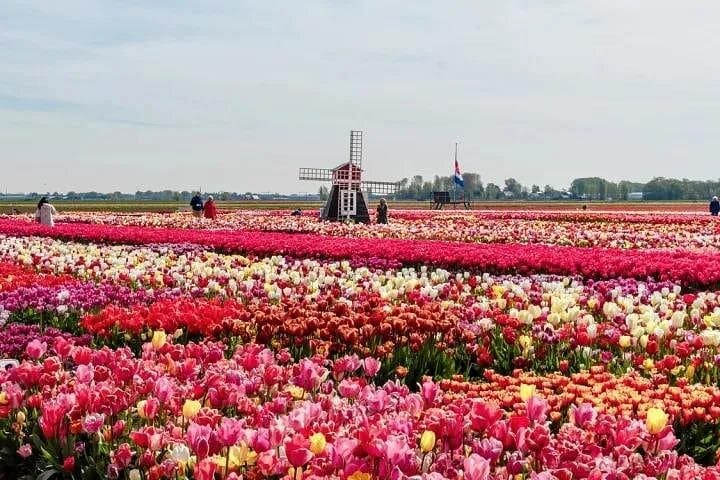
Under a wide Dutch sky the rows of tulips stand like color bands that dare you closer: scarlet, butter, violet and every grade between. On this private half-day around Lisse you move slowly through bulb country where the flowers are the cast and the wind is a quiet stagehand.
Under a wide Dutch sky the rows of tulips stand like color bands that dare you closer: scarlet, butter, violet and every grade between. On this private half-day around Lisse you move slowly through bulb country where the flowers are the cast and the wind is a quiet stagehand.
The bulb region—locally called the Bollenstreek—has shaped Dutch agriculture and commerce since the 17th century when tulips became an obsession. The sandy, well-drained soils and cool springs that come off the North Sea create the exact conditions bulbs need; what looks like choreographed color is the product of centuries of selective growing and trade.
Culture here is practical and participatory: growers, small museums and village markets all point to an economy built on bulbs and tourism. Keukenhof and nearby private fields offer photo-ready rows and hands-on exhibits that explain planting cycles and hybridization.
For families, the tour combines easy walking, child-friendly crafts and a scavenger hunt—activities timed for short attention spans and big smiles. Practical notes: peak bloom is typically mid-March to mid-May and weather can switch from sun to drizzle in hours, so layer up.
Timing your visit for early morning gets softer light and fewer crowds; mid-week is quieter than the weekend. Respect the fields: stick to paths, don’t pick bulbs or flowers, and follow your guide’s route. Bring a small daypack with water, sun protection and a camera or phone with a spare battery—this landscape is relentlessly photogenic and moves fast with the season.