THE ADVENTURE COLLECTIVE® · Independent discovery and booking for outdoor travel

Turn Machu Picchu into a hands-on family lesson with a private guide who uses games, interpretation cards, and flexible pacing to bring Inca history and cloud-forest ecology to life. Plan permits, trains, and layers—this visit blends wonder with practical logistics.
Turn Machu Picchu into a hands-on family lesson with a private guide who uses games, interpretation cards, and flexible pacing to bring Inca history and cloud-forest ecology to life. Plan permits, trains, and layers—this visit blends wonder with practical logistics.
You arrive before the morning cloud breaks, the stone terraces of Machu Picchu emerging like a city remembered by the mountain itself. Children crouch to inspect water channels while a guide brings the Inca past to life with short stories and hands-on cards; the ruins feel less like an exhibit and more like a classroom open to sky and hummingbirds.
Verified experiences and guided adventures in the surrounding area.
Operated by nat_onroadperu · Aguas Calientes (Machu Picchu Pueblo), Cusco Region
You arrive before the morning cloud breaks, the stone terraces of Machu Picchu emerging like a city remembered by the mountain itself. Children crouch to inspect water channels while a guide brings the Inca past to life with short stories and hands-on cards; the ruins feel less like an exhibit and more like a classroom open to sky and hummingbirds.
Built in the 15th century, Machu Picchu sits on an eroded ridge between the Andes and the Amazon basin; its granite walls are the result of uplift and river-cut valleys that shaped the Urubamba. The site’s layout reflects Inca cosmology—agricultural terraces, ceremonial plazas, and precisely cut masonry—and the nearby cloud forest hosts orchids and hummingbirds that seem to argue with the stones for attention.
Local culture here is Quechua-rooted: guide narratives often weave traditional agricultural knowledge and oral histories. The modern town of Aguas Calientes supplies services and the last stretch of infrastructure—trains and shuttle buses—so plan logistics in advance.
Practical guidance: book permits and train seats early, arrive prepared for steep stone steps and variable weather, and allow the group to move at the children’s pace. Hydrate and layer—mornings can be mist-chilled, afternoons unexpectedly warm. Expect 3–5 hours on-site for a thorough family visit, longer if you add the Sun Gate or Huayna Picchu. The private format lets you pause for questions, use interpretive cards, and shape the day around curious hands and short attention spans—turning a world wonder into a reachable, memorable lesson for every age.
moderate.
6–8 hours (on-site 3–5 hours).
Participants should be comfortable walking on uneven stone steps and brief uphill sections; basic stamina for a half-day of standing and walking is recommended.
Yes; all visitors entering Machu Picchu require an entry ticket regardless of age—book early as daily allocations are limited.
The central circuit is manageable with breaks, but expect many stone steps; the private format allows slower pacing and frequent rests.
Basic restroom facilities exist near the entrance; most dining and full services are in Aguas Calientes—bring snacks and water for kids during the visit.
Yes; private guides often assist with timing and transfers, but trains and bus seats should be booked in advance to guarantee space for a family.
Machu Picchu was constructed by the Inca in the mid-1400s and reintroduced to the outside world by Hiram Bingham in 1911; its layout reflects both engineering skill and spiritual landscape planning.
Visitor limits, guided routes, and strict no-drone rules help protect fragile stonework and cloud-forest habitat—choose licensed guides and follow marked paths to minimize impact.
nat_onroadperu operates guided outdoor trips and adventures with an emphasis on safety, stewardship, and memorable experiences.
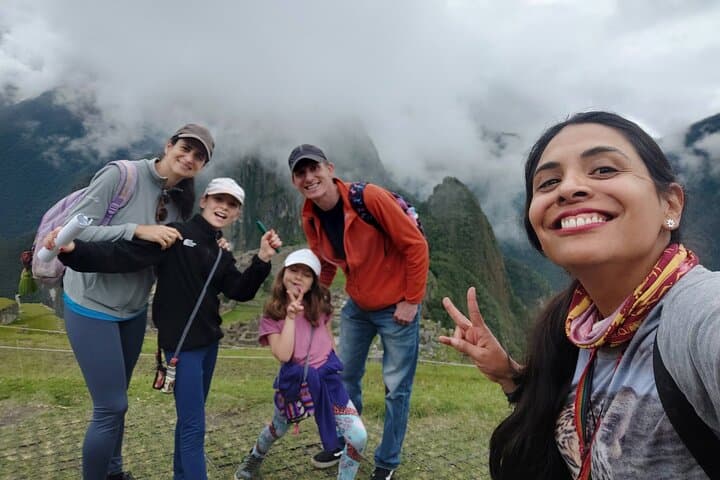
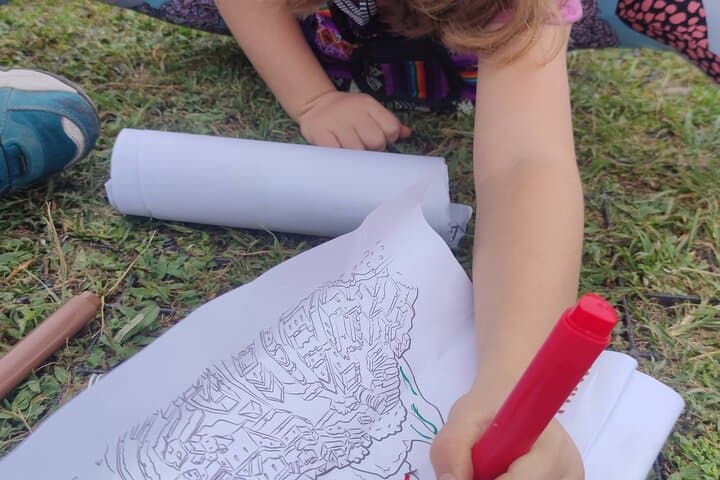
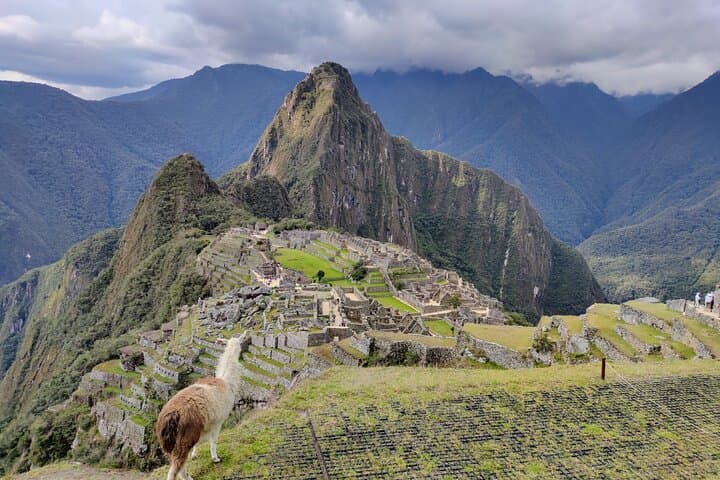
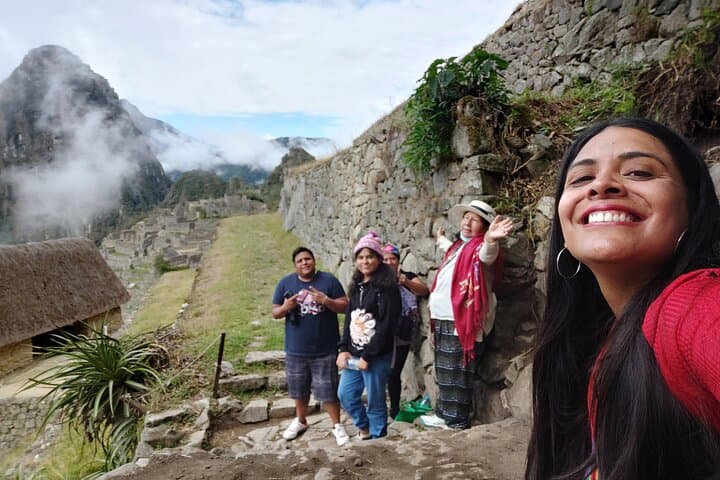
You arrive before the morning cloud breaks, the stone terraces of Machu Picchu emerging like a city remembered by the mountain itself. Children crouch to inspect water channels while a guide brings the Inca past to life with short stories and hands-on cards; the ruins feel less like an exhibit and more like a classroom open to sky and hummingbirds.
You arrive before the morning cloud breaks, the stone terraces of Machu Picchu emerging like a city remembered by the mountain itself. Children crouch to inspect water channels while a guide brings the Inca past to life with short stories and hands-on cards; the ruins feel less like an exhibit and more like a classroom open to sky and hummingbirds.
Built in the 15th century, Machu Picchu sits on an eroded ridge between the Andes and the Amazon basin; its granite walls are the result of uplift and river-cut valleys that shaped the Urubamba. The site’s layout reflects Inca cosmology—agricultural terraces, ceremonial plazas, and precisely cut masonry—and the nearby cloud forest hosts orchids and hummingbirds that seem to argue with the stones for attention.
Local culture here is Quechua-rooted: guide narratives often weave traditional agricultural knowledge and oral histories. The modern town of Aguas Calientes supplies services and the last stretch of infrastructure—trains and shuttle buses—so plan logistics in advance.
Practical guidance: book permits and train seats early, arrive prepared for steep stone steps and variable weather, and allow the group to move at the children’s pace. Hydrate and layer—mornings can be mist-chilled, afternoons unexpectedly warm. Expect 3–5 hours on-site for a thorough family visit, longer if you add the Sun Gate or Huayna Picchu. The private format lets you pause for questions, use interpretive cards, and shape the day around curious hands and short attention spans—turning a world wonder into a reachable, memorable lesson for every age.