THE ADVENTURE COLLECTIVE® · Independent discovery and booking for outdoor travel

Turn an afternoon in Ipanema into a hands-on family kitchen lesson: make nine Brazilian dishes together, learn local food history, and sit down to eat what you create. Perfect for kids and adults who want active cultural exchange and practical cooking skills.
Turn an afternoon in Ipanema into a hands-on family kitchen lesson: make nine Brazilian dishes together, learn local food history, and sit down to eat what you create. Perfect for kids and adults who want active cultural exchange and practical cooking skills.
You step through a modest apartment door in Ipanema and the city’s energy shifts into the rhythm of a kitchen: chopping, laughter, the bright scent of lime and cilantro. Sunlight from the apartment windows hits the tiled counter while a friendly chef hands a child a wooden spoon and the family finds its place around a shared workspace.
Verified experiences and guided adventures in the surrounding area.
Operated by Cook in Fiesta · Rio de Janeiro, Rio de Janeiro
You step through a modest apartment door in Ipanema and the city’s energy shifts into the rhythm of a kitchen: chopping, laughter, the bright scent of lime and cilantro. Sunlight from the apartment windows hits the tiled counter while a friendly chef hands a child a wooden spoon and the family finds its place around a shared workspace.
Brazilian food carries clear traces of its past—Indigenous mandioca (cassava) techniques, Portuguese preservation and livestock traditions, and African ingredients and methods brought during centuries of cultural exchange. In coastal Rio, the Atlantic and the nearby Serra do Mar influenced local diets: fish and coconut in moqueca, cassava as a staple, and tropical fruits in desserts and liqueurs.
This family-focused class teaches nine dishes—from pão de queijo and cassava sticks to picanha or vegetarian moqueca—while the host explains cultural meanings and ingredient stories. The hands-on format is geared to mixed ages and abilities: kids chop under supervision, adults learn seasoning balance, and everyone sits down to eat what they made.
Practically: allow about 3–4 hours, communicate allergies ahead of time, and expect an air-conditioned space with recipe photos and an e-book provided afterward. Wear closed-toe shoes and comfortable clothes that can get a splash of oil; bring enthusiasm and a phone for pictures. If you want market insight, add the optional market tour to see where local fish, herbs, and cassava are sourced.
The result is culinary skill, a fuller sense of Rio’s everyday foodways, and a meal that family members will remember because they cooked it together.
easy.
3–4 hours.
Light — suitable for families; participants should be able to stand and follow simple instructions for a few hours.
Yes—this class is designed for families; instructors adapt tasks so children can safely chop, mix, and plate under supervision.
Unlimited caipirinhas and Brazilian soft drinks are listed as inclusions; non-alcoholic mocktails can be made on request.
Yes—hosts ask about dietary needs during booking and will adapt mains like moqueca to be vegetarian or swap ingredients for allergies.
Yes—a recipe ebook and photos are provided the next day, plus guidance for recreating dishes at home.
Rio’s coastal cuisine developed from Indigenous staple crops (cassava), Portuguese meat traditions, and African cooking methods—ingredients like dendê (palm oil) and coconut reflect that blended heritage.
Choose classes that source local fish and produce responsibly; minimizing food waste and preferring seasonal ingredients helps protect regional fisheries and supply chains.
Cook in Fiesta operates guided outdoor trips and adventures with an emphasis on safety, stewardship, and memorable experiences.
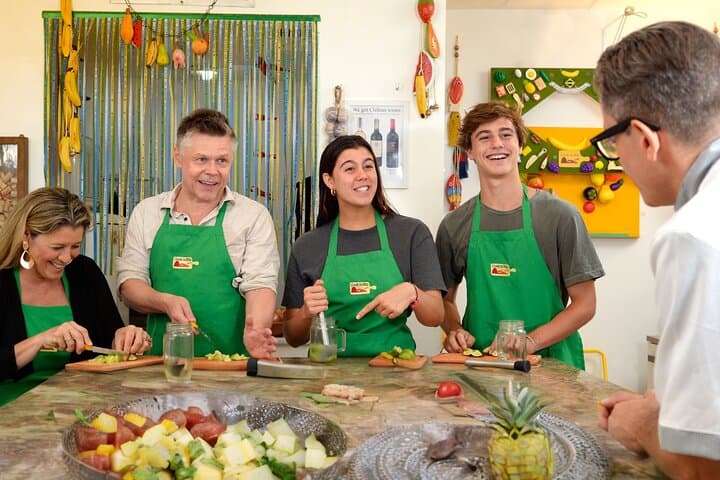


You step through a modest apartment door in Ipanema and the city’s energy shifts into the rhythm of a kitchen: chopping, laughter, the bright scent of lime and cilantro. Sunlight from the apartment windows hits the tiled counter while a friendly chef hands a child a wooden spoon and the family finds its place around a shared workspace.
You step through a modest apartment door in Ipanema and the city’s energy shifts into the rhythm of a kitchen: chopping, laughter, the bright scent of lime and cilantro. Sunlight from the apartment windows hits the tiled counter while a friendly chef hands a child a wooden spoon and the family finds its place around a shared workspace.
Brazilian food carries clear traces of its past—Indigenous mandioca (cassava) techniques, Portuguese preservation and livestock traditions, and African ingredients and methods brought during centuries of cultural exchange. In coastal Rio, the Atlantic and the nearby Serra do Mar influenced local diets: fish and coconut in moqueca, cassava as a staple, and tropical fruits in desserts and liqueurs.
This family-focused class teaches nine dishes—from pão de queijo and cassava sticks to picanha or vegetarian moqueca—while the host explains cultural meanings and ingredient stories. The hands-on format is geared to mixed ages and abilities: kids chop under supervision, adults learn seasoning balance, and everyone sits down to eat what they made.
Practically: allow about 3–4 hours, communicate allergies ahead of time, and expect an air-conditioned space with recipe photos and an e-book provided afterward. Wear closed-toe shoes and comfortable clothes that can get a splash of oil; bring enthusiasm and a phone for pictures. If you want market insight, add the optional market tour to see where local fish, herbs, and cassava are sourced.
The result is culinary skill, a fuller sense of Rio’s everyday foodways, and a meal that family members will remember because they cooked it together.