THE ADVENTURE COLLECTIVE® · Independent discovery and booking for outdoor travel

Learn to surf on Famara’s long, forgiving beach with certified instructors in small groups (max 4 students per coach). Three hours on the sand and water, full equipment provided, and pickup options across Lanzarote make this an accessible Atlantic surf introduction.
Learn to surf on Famara’s long, forgiving beach with certified instructors in small groups (max 4 students per coach). Three hours on the sand and water, full equipment provided, and pickup options across Lanzarote make this an accessible Atlantic surf introduction.
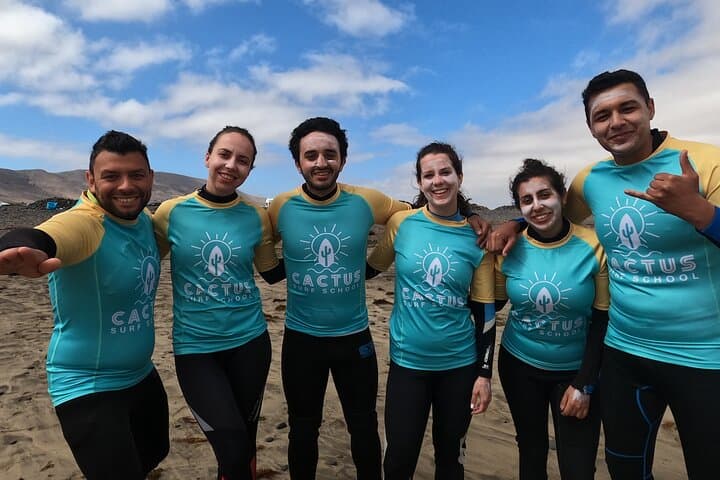
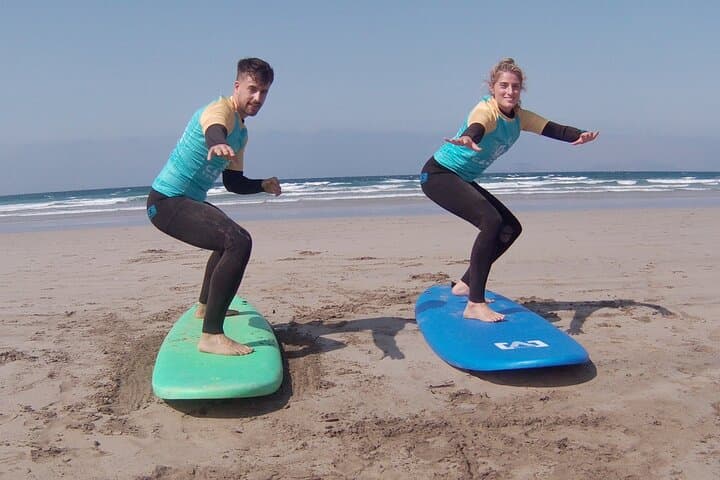
The morning light hits Famara’s wide sand flat and the Atlantic lays out a long, rolling playground — peaks lined up like a hand of waves waiting their turn. You meet on Brezo de Mar Street, stretch on wind-swept sand and watch instructors scan lines of swell for the safest breaks. With a 4:1 student-to-instructor ratio, coaching feels hands-on: brief theory, dry-land pop-up drills, then three hours in the water practicing paddling, timing and standing up.
Verified experiences and guided adventures in the surrounding area.
Operated by Cactus Surf School Lanzarote · Caleta de Famara, Lanzarote
The morning light hits Famara’s wide sand flat and the Atlantic lays out a long, rolling playground — peaks lined up like a hand of waves waiting their turn. You meet on Brezo de Mar Street, stretch on wind-swept sand and watch instructors scan lines of swell for the safest breaks. With a 4:1 student-to-instructor ratio, coaching feels hands-on: brief theory, dry-land pop-up drills, then three hours in the water practicing paddling, timing and standing up.
Famara is part of northern Lanzarote, a coast carved from volcanic rock and uplifted cliffs. The island’s dramatic landscape owes much to the 18th-century Timanfaya eruptions; offshore, currents and sandbars shift with every swell, making local knowledge valuable. Caleta de Famara retains a fishing-village culture — low-key cafés, surf-friendly shops and a community that reads the sea as closely as the wind.
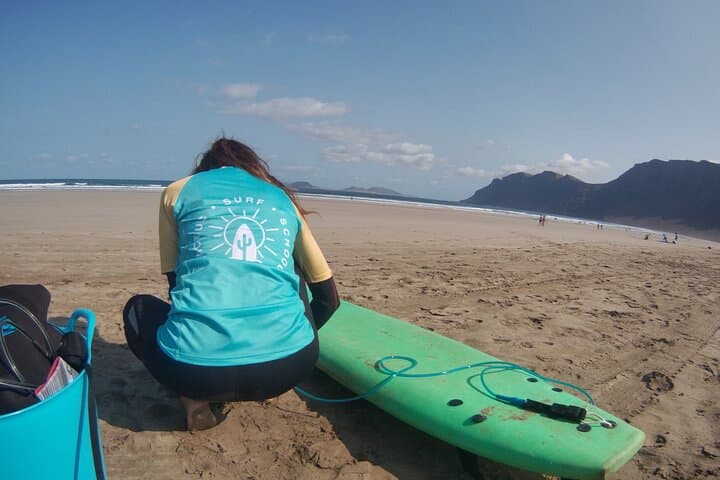
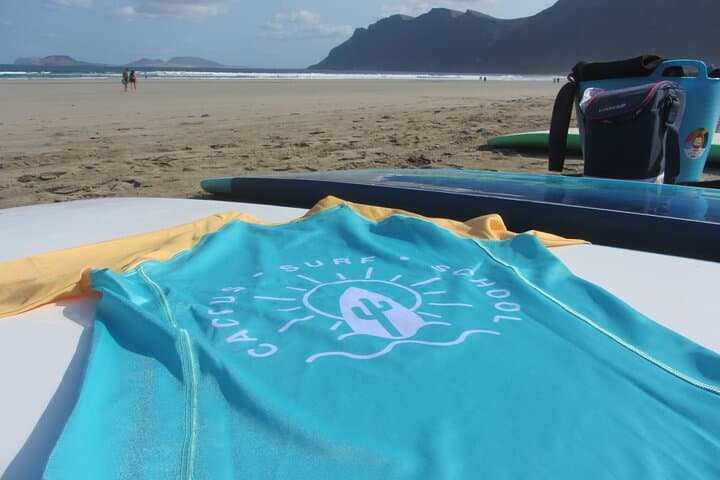
Practically, the tour runs about four hours total including transport; three hours are spent on the beach. Equipment is provided (boards, wetsuits, identifying lycras) and certified instructors tailor progress for all ages and levels. Mornings usually bring cleaner waves and lighter winds; afternoons can get gusty.
Prepare to get wet repeatedly: basic swim confidence, sunscreen, and a warm change of clothes afterward matter. Pay attention to instruction about rips, follow flags and local rules, and leave dunes and nesting spots undisturbed. Whether you come for your first pop-up or to refine turns, Famara’s consistent Atlantic swell and focused small-group format make it an efficient, practical way to learn real ocean surfing.
moderate.
3–4 hours.
Suitable for most people with basic fitness—expect paddling, pop-ups and repeated falls; some stamina and shoulder endurance help.
No — lessons accommodate beginners through intermediate riders; instructors progress groups by ability and focus on safe skill development.
Meet at Brezo de Mar Street on Famara beach; the beach program is about three hours, with a four-hour total window including transport when applicable.
Yes — boards, wetsuits and identifying lycras are provided as part of the course fee.
The operator can cancel for bad weather or low participation; full refunds are available if canceled at least 24 hours before departure per the standard policy.
Lanzarote’s coastline was reshaped by the Timanfaya eruptions (1730–36) and later volcanic activity; the island’s geology defines its long beaches and abrupt cliffs.
Famara sits near protected marine and island areas; use reef‑safe products, avoid trampling dunes and follow local guidance to minimize impact.
Cactus Surf School Lanzarote operates guided outdoor trips and adventures with an emphasis on safety, stewardship, and memorable experiences.
The morning light hits Famara’s wide sand flat and the Atlantic lays out a long, rolling playground — peaks lined up like a hand of waves waiting their turn. You meet on Brezo de Mar Street, stretch on wind-swept sand and watch instructors scan lines of swell for the safest breaks. With a 4:1 student-to-instructor ratio, coaching feels hands-on: brief theory, dry-land pop-up drills, then three hours in the water practicing paddling, timing and standing up.
The morning light hits Famara’s wide sand flat and the Atlantic lays out a long, rolling playground — peaks lined up like a hand of waves waiting their turn. You meet on Brezo de Mar Street, stretch on wind-swept sand and watch instructors scan lines of swell for the safest breaks. With a 4:1 student-to-instructor ratio, coaching feels hands-on: brief theory, dry-land pop-up drills, then three hours in the water practicing paddling, timing and standing up.
Famara is part of northern Lanzarote, a coast carved from volcanic rock and uplifted cliffs. The island’s dramatic landscape owes much to the 18th-century Timanfaya eruptions; offshore, currents and sandbars shift with every swell, making local knowledge valuable. Caleta de Famara retains a fishing-village culture — low-key cafés, surf-friendly shops and a community that reads the sea as closely as the wind.
Practically, the tour runs about four hours total including transport; three hours are spent on the beach. Equipment is provided (boards, wetsuits, identifying lycras) and certified instructors tailor progress for all ages and levels. Mornings usually bring cleaner waves and lighter winds; afternoons can get gusty.
Prepare to get wet repeatedly: basic swim confidence, sunscreen, and a warm change of clothes afterward matter. Pay attention to instruction about rips, follow flags and local rules, and leave dunes and nesting spots undisturbed. Whether you come for your first pop-up or to refine turns, Famara’s consistent Atlantic swell and focused small-group format make it an efficient, practical way to learn real ocean surfing.