THE ADVENTURE COLLECTIVE® · Independent discovery and booking for outdoor travel

Spend a full day driving from Pittsburgh to see two of Frank Lloyd Wright’s key region projects—Fallingwater and Kentuck Knob—paired with a riverside stop at Ohiopyle Falls. Learn practical tips for tickets, walking conditions, and timing before you go.
Spend a full day driving from Pittsburgh to see two of Frank Lloyd Wright’s key region projects—Fallingwater and Kentuck Knob—paired with a riverside stop at Ohiopyle Falls. Learn practical tips for tickets, walking conditions, and timing before you go.
Mist rises from the Youghiogheny River as the tour vehicle pulls off the Pennsylvania Turnpike and onto narrow country lanes. Stone walls and hardwoods press close; the air smells of oak and river spray. At Fallingwater, Wright’s cantilevered living room hovers over a waterfall, water daring the house to stay still while light moves through its bands of glass.
Verified experiences and guided adventures in the surrounding area.
Operated by The Essential Pittsburgh Experience · Mill Run, Pennsylvania
Mist rises from the Youghiogheny River as the tour vehicle pulls off the Pennsylvania Turnpike and onto narrow country lanes. Stone walls and hardwoods press close; the air smells of oak and river spray. At Fallingwater, Wright’s cantilevered living room hovers over a waterfall, water daring the house to stay still while light moves through its bands of glass.
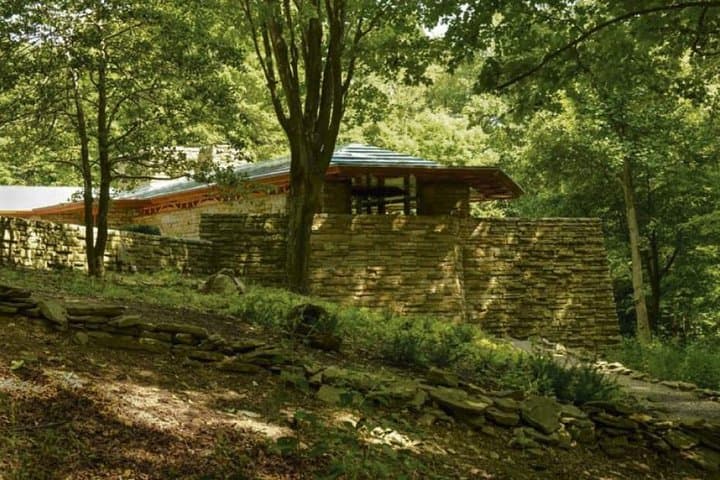
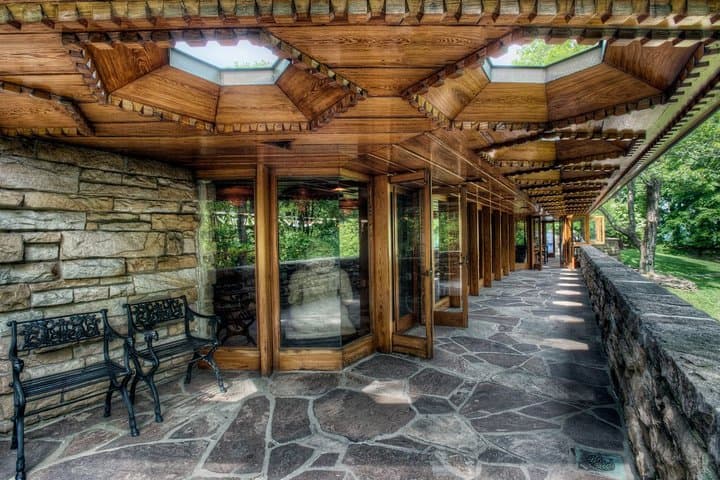
This driveable loop pairs two of Wright’s Allegheny Mountain projects: the celebrated Fallingwater (1935), conceived directly above natural cascade lines, and Kentuck Knob (1953), a compact Usonian house sited on a windswept ridge. Geologically the region is Allegheny Plateau—folded sedimentary rock and rapid streams that carved steep gorges and created the falls that inspired Wright’s integration of structure and landscape. Local culture still reflects Appalachian crafts and a 20th-century industrial shift; nearby Ohiopyle bears the vestiges of early tourism and whitewater recreation.
Practical guidance: this is a full-day, roughly 8-hour outing covering about 70–90 miles round-trip from Pittsburgh with short walks at each site—expect uneven stone paths, stairs, and low railings. Tours of interiors require separate advance tickets from Fallingwater and Kentuck Knob; this operator provides narration and transport only. Bring waterproof footwear and a light jacket—weather can change quickly in the hollows—and allow time for the visitor centers. Arrive early for softer light and fewer crowds, carry water, and leave room in your schedule for a brief stop at Ohiopyle Falls for a riverside view. With reservations made ahead and sensible footwear, the day rewards with two sharply different demonstrations of Wright’s thinking about shelter, site, and materials.
easy.
8 hours.
Suitable for most fitness levels; involves short walks, stairs, and standing during guided segments.
No. Admissions and interior tours must be reserved and purchased directly from Fallingwater and Kentuck Knob prior to your visit.
The operator lists the tour as wheelchair accessible, but interior accessibility at each property varies—contact the sites directly for specific accommodations.
Expect roughly a 70–90 mile round trip depending on your pickup point; travel time each way is about 1.5 hours without extended stops.
Photography policies differ by site—Fallingwater and Kentuck Knob restrict interior photos on some tours, so check each attraction’s rules before you go.
Fallingwater was built for the Kaufmann family in 1935 and became emblematic of Wright’s organic architecture; Kentuck Knob represents his later Usonian approach on a tighter budget and site.
Both properties operate visitor programs that emphasize preserving original materials and limiting impact; stick to trails and respect site guidelines to protect sensitive rock and stream habitats.
The Essential Pittsburgh Experience operates guided outdoor trips and adventures with an emphasis on safety, stewardship, and memorable experiences.
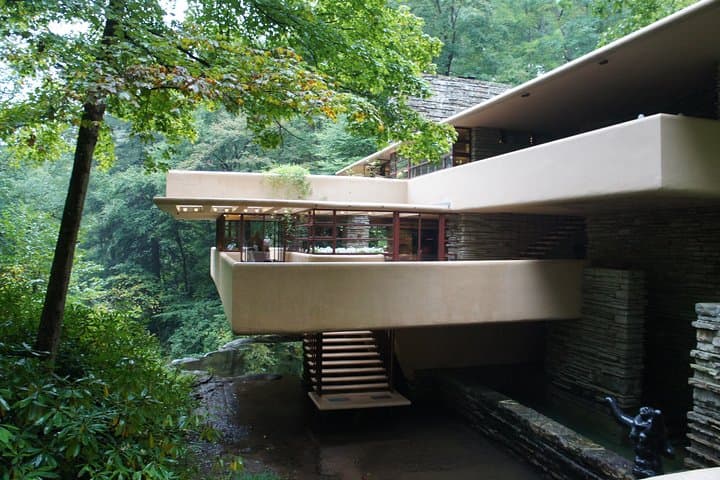
Mist rises from the Youghiogheny River as the tour vehicle pulls off the Pennsylvania Turnpike and onto narrow country lanes. Stone walls and hardwoods press close; the air smells of oak and river spray. At Fallingwater, Wright’s cantilevered living room hovers over a waterfall, water daring the house to stay still while light moves through its bands of glass.
Mist rises from the Youghiogheny River as the tour vehicle pulls off the Pennsylvania Turnpike and onto narrow country lanes. Stone walls and hardwoods press close; the air smells of oak and river spray. At Fallingwater, Wright’s cantilevered living room hovers over a waterfall, water daring the house to stay still while light moves through its bands of glass.
This driveable loop pairs two of Wright’s Allegheny Mountain projects: the celebrated Fallingwater (1935), conceived directly above natural cascade lines, and Kentuck Knob (1953), a compact Usonian house sited on a windswept ridge. Geologically the region is Allegheny Plateau—folded sedimentary rock and rapid streams that carved steep gorges and created the falls that inspired Wright’s integration of structure and landscape. Local culture still reflects Appalachian crafts and a 20th-century industrial shift; nearby Ohiopyle bears the vestiges of early tourism and whitewater recreation.
Practical guidance: this is a full-day, roughly 8-hour outing covering about 70–90 miles round-trip from Pittsburgh with short walks at each site—expect uneven stone paths, stairs, and low railings. Tours of interiors require separate advance tickets from Fallingwater and Kentuck Knob; this operator provides narration and transport only. Bring waterproof footwear and a light jacket—weather can change quickly in the hollows—and allow time for the visitor centers. Arrive early for softer light and fewer crowds, carry water, and leave room in your schedule for a brief stop at Ohiopyle Falls for a riverside view. With reservations made ahead and sensible footwear, the day rewards with two sharply different demonstrations of Wright’s thinking about shelter, site, and materials.