THE ADVENTURE COLLECTIVE® · Independent discovery and booking for outdoor travel

Clip into the cable at Fálkaklettur and trade city streets for coastal rock in a brisk 2–3 hour guided via ferrata on Mt. Esja. Expect exposed ledges, ocean views, and gear provided by instructors.
Clip into the cable at Fálkaklettur and trade city streets for coastal rock in a brisk 2–3 hour guided via ferrata on Mt. Esja. Expect exposed ledges, ocean views, and gear provided by instructors.
A wind-swept ledge, the Atlantic glittering below, and a steel line that runs like a spine up Falcon Rock — that’s the first image of Fálkaklettur. You step off the Mt. Esja parking path into raw Icelandic stone, clip into the cable, and feel the route pull you forward; the coast and Reykjavík unfold to the south as you ascend.
Verified experiences and guided adventures in the surrounding area.
Operated by Falkaklettur · Reykjavik, Capital Region
A wind-swept ledge, the Atlantic glittering below, and a steel line that runs like a spine up Falcon Rock — that’s the first image of Fálkaklettur. You step off the Mt. Esja parking path into raw Icelandic stone, clip into the cable, and feel the route pull you forward; the coast and Reykjavík unfold to the south as you ascend.
Fálkaklettur (Falcon Rock) sits on the volcanic flank of Esja, a Pleistocene lava and tephra massif shaped by glacial floods and eruptions. The route borrows from alpine tradition — via ferrata hardware and fixed anchors — while the surrounding landscape still reads like Iceland’s geological textbook: layered basalt, loose scree, and coastal cliffs frequented by seabirds.
Locally, Esja is a weekend proving ground for Reykjavik residents; this guided climb translates that brisk mountain culture into a managed, accessible challenge. Expect narrow ledges, short exposed pitches, and a steady coastal wind that tests balance and layers alike.
Practical guide: the tour is typically 2–3 hours from the Mt. Esja parking lot and includes helmet, harness, and via ferrata lanyard. Wear grippy hiking shoes and a windproof shell; bring water, sun protection, and a small daypack. Routes can be slick in wet weather and icy in winter — guides will cancel in unsafe conditions. Fitness-wise, plan for continuous moderate exertion and comfort with exposure rather than technical climbing skill. On a clear day the climb rewards you with expansive ocean views and a palpable sense of accomplishment — the kind that sticks with you on the drive back into Reykjavik.
moderate.
2–3 hours.
Should be in good general fitness: steady balance, stable knees, and comfort on exposed terrain for continuous moderate exertion.
No technical climbing experience is required; guides provide instruction and gear, but participants should be comfortable with heights and continuous exposure.
Guided instruction, helmet, harness, via ferrata lanyard, and safety briefing are included; transportation to the parking lot is not.
The Mt. Esja parking lot is about a 25-minute drive from central Reykjavik; you can reach it by car or local bus to nearby stops, then a short walk to the trailhead.
Guides will cancel for unsafe weather, high winds, ice on the route, or insufficient participants; the operator typically requires 24-hour notice for full refunds.
Esja is a volcanic massif formed by repeated eruptions under ice during the Pleistocene; the name Fálkaklettur refers to falcons historically seen on the rock’s ledges.
Stick to marked routes, avoid trampling vegetation on approaches, and pack out trash; nesting seabirds can be sensitive to disturbance in spring.
Falkaklettur operates guided outdoor trips and adventures with an emphasis on safety, stewardship, and memorable experiences.
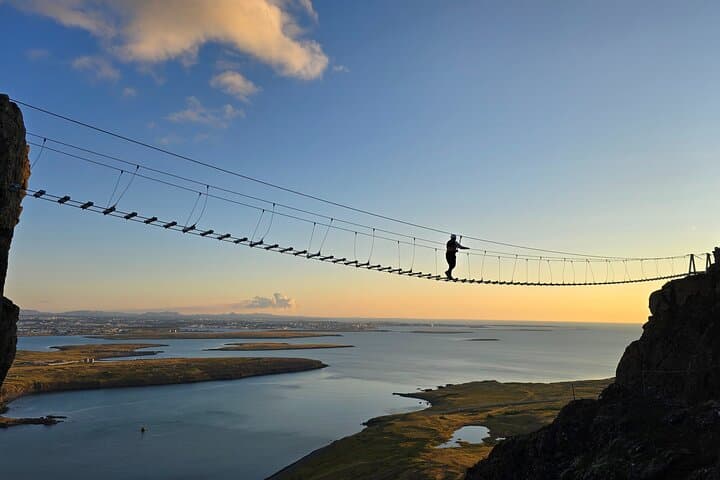
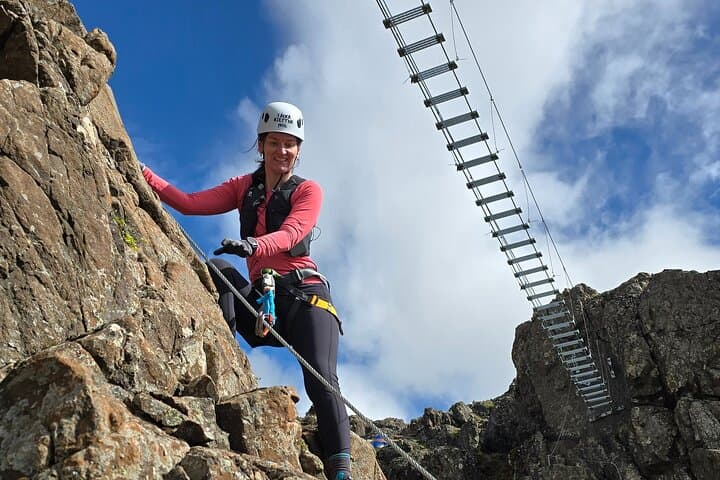
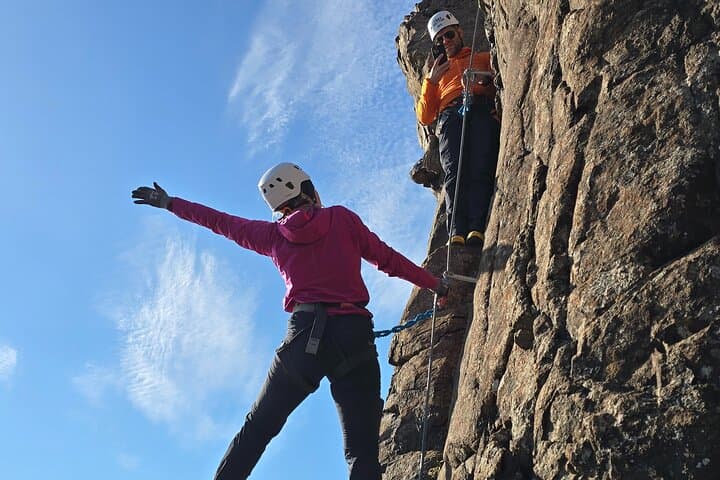
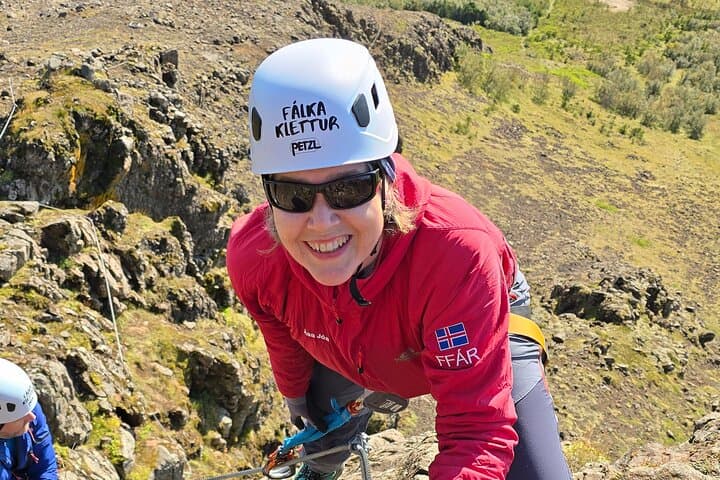
A wind-swept ledge, the Atlantic glittering below, and a steel line that runs like a spine up Falcon Rock — that’s the first image of Fálkaklettur. You step off the Mt. Esja parking path into raw Icelandic stone, clip into the cable, and feel the route pull you forward; the coast and Reykjavík unfold to the south as you ascend.
A wind-swept ledge, the Atlantic glittering below, and a steel line that runs like a spine up Falcon Rock — that’s the first image of Fálkaklettur. You step off the Mt. Esja parking path into raw Icelandic stone, clip into the cable, and feel the route pull you forward; the coast and Reykjavík unfold to the south as you ascend.
Fálkaklettur (Falcon Rock) sits on the volcanic flank of Esja, a Pleistocene lava and tephra massif shaped by glacial floods and eruptions. The route borrows from alpine tradition — via ferrata hardware and fixed anchors — while the surrounding landscape still reads like Iceland’s geological textbook: layered basalt, loose scree, and coastal cliffs frequented by seabirds.
Locally, Esja is a weekend proving ground for Reykjavik residents; this guided climb translates that brisk mountain culture into a managed, accessible challenge. Expect narrow ledges, short exposed pitches, and a steady coastal wind that tests balance and layers alike.
Practical guide: the tour is typically 2–3 hours from the Mt. Esja parking lot and includes helmet, harness, and via ferrata lanyard. Wear grippy hiking shoes and a windproof shell; bring water, sun protection, and a small daypack. Routes can be slick in wet weather and icy in winter — guides will cancel in unsafe conditions. Fitness-wise, plan for continuous moderate exertion and comfort with exposure rather than technical climbing skill. On a clear day the climb rewards you with expansive ocean views and a palpable sense of accomplishment — the kind that sticks with you on the drive back into Reykjavik.