THE ADVENTURE COLLECTIVE® · Independent discovery and booking for outdoor travel

Spend a day on Falassarna’s wide, turquoise beaches west of Chania. This easy day trip combines a scenic drive through olive groves with several hours of swimming, sunbathing and seaside tavernas at Pahia Ammos.
Spend a day on Falassarna’s wide, turquoise beaches west of Chania. This easy day trip combines a scenic drive through olive groves with several hours of swimming, sunbathing and seaside tavernas at Pahia Ammos.
Salt air pulls at your hair as the coach drops you onto a broad sweep of pale sand; the sea ahead is a flat sheet of turquoise that seems to dare you to wade in. Falassarna’s main beaches open wide — shallow, warm water, long sandbars and wind-sculpted dunes — offering space to spread a towel or try a windsurfing run without the crush of more famous Mediterranean coasts.
Verified experiences and guided adventures in the surrounding area.
Operated by Elafonissos travel · Kissamos, Crete
Salt air pulls at your hair as the coach drops you onto a broad sweep of pale sand; the sea ahead is a flat sheet of turquoise that seems to dare you to wade in. Falassarna’s main beaches open wide — shallow, warm water, long sandbars and wind-sculpted dunes — offering space to spread a towel or try a windsurfing run without the crush of more famous Mediterranean coasts.
The bay sits on Crete’s western flank where Hellenistic Phalasarna once hosted a thriving port: stone quays, watchtower ruins and coastal tombs still edge the headlands. Geologically, the shoreline is a mix of sands formed from nearby limestone and longshore currents that build broad beaches and occasional sandbanks. Locals run beach bars and small tavernas; the area’s fishing and olive farming remain quietly present behind the dunes.
Practical side: most day trips depart Chania early, making the 1–1.5 hour scenic drive through olive groves and pastoral villages part of the experience. Expect 4–5 hours free time on the sand — plenty for swimming, sunbathing or renting a board. Facilities are concentrated at Pahia Ammos (organized sunbeds, lifeguards, toilets, bars); other coves are less serviced but quieter.
Pack reef shoes for rocky entries, high-SPF sun protection and a refillable bottle; mid-summer brings strong sun and occasional northwest winds, so an early arrival or late afternoon return is often the calmest. Leave the dunes intact, follow local signage around archaeological sites, and plan transport back to Chania — tours usually include pickup and drop-off.
easy.
9 hours (approx).
Suitable for most fitness levels; mostly relaxed beach time with short walks to parking/ruins.
Most organized trips take about 1–1.5 hours each way depending on traffic and the exact pickup location.
Yes — Pahia Ammos has rental options and water-sport providers for boards and basic rentals; availability varies by season.
Very much so — shallow water and wide sand make it suitable for children; lifeguards are typically present at the main beach in high season.
Yes — the Hellenistic ruins and a small archaeological site sit on the headland; follow signage and avoid climbing on exposed structures.
Phalasarna was an important Hellenistic port; ruins of quays and watchtowers remain on the headland, hinting at its ancient maritime role.
Dune ecosystems and turtle nesting spots are sensitive — avoid driving on beaches, pack out trash, and follow local conservation signage.
Elafonissos travel operates guided outdoor trips and adventures with an emphasis on safety, stewardship, and memorable experiences.
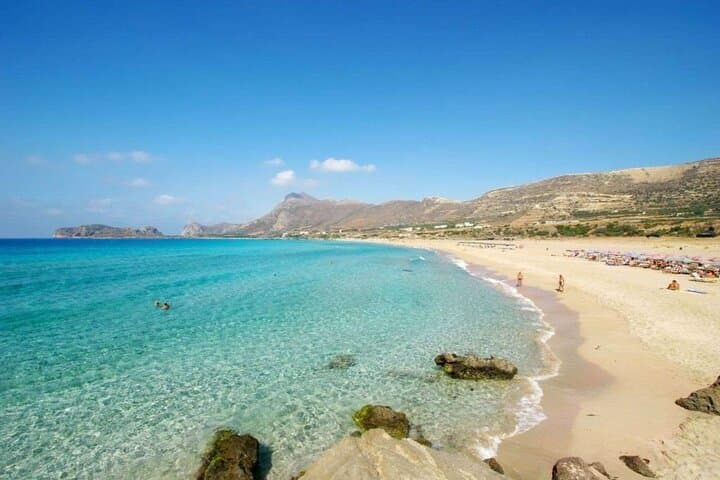
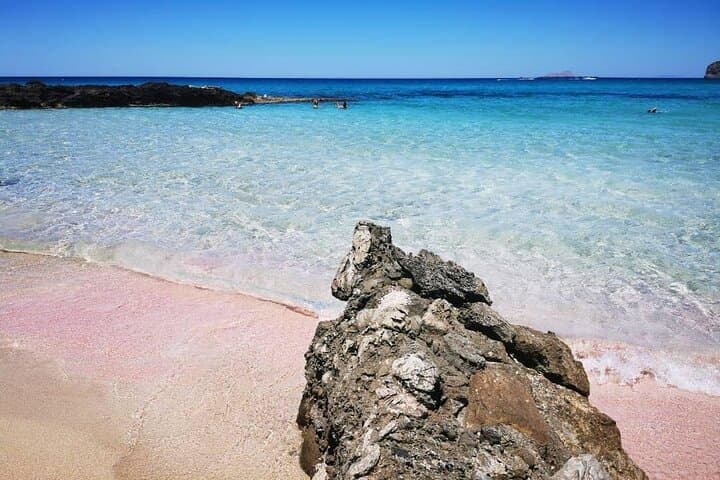
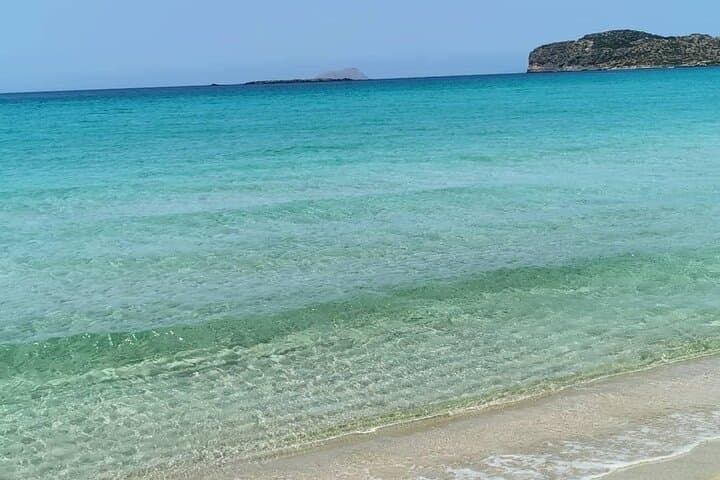
Salt air pulls at your hair as the coach drops you onto a broad sweep of pale sand; the sea ahead is a flat sheet of turquoise that seems to dare you to wade in. Falassarna’s main beaches open wide — shallow, warm water, long sandbars and wind-sculpted dunes — offering space to spread a towel or try a windsurfing run without the crush of more famous Mediterranean coasts.
Salt air pulls at your hair as the coach drops you onto a broad sweep of pale sand; the sea ahead is a flat sheet of turquoise that seems to dare you to wade in. Falassarna’s main beaches open wide — shallow, warm water, long sandbars and wind-sculpted dunes — offering space to spread a towel or try a windsurfing run without the crush of more famous Mediterranean coasts.
The bay sits on Crete’s western flank where Hellenistic Phalasarna once hosted a thriving port: stone quays, watchtower ruins and coastal tombs still edge the headlands. Geologically, the shoreline is a mix of sands formed from nearby limestone and longshore currents that build broad beaches and occasional sandbanks. Locals run beach bars and small tavernas; the area’s fishing and olive farming remain quietly present behind the dunes.
Practical side: most day trips depart Chania early, making the 1–1.5 hour scenic drive through olive groves and pastoral villages part of the experience. Expect 4–5 hours free time on the sand — plenty for swimming, sunbathing or renting a board. Facilities are concentrated at Pahia Ammos (organized sunbeds, lifeguards, toilets, bars); other coves are less serviced but quieter.
Pack reef shoes for rocky entries, high-SPF sun protection and a refillable bottle; mid-summer brings strong sun and occasional northwest winds, so an early arrival or late afternoon return is often the calmest. Leave the dunes intact, follow local signage around archaeological sites, and plan transport back to Chania — tours usually include pickup and drop-off.