THE ADVENTURE COLLECTIVE® · Independent discovery and booking for outdoor travel

An easy day trip from Kuching takes you into two limestone caves—one opens into a sunlit multi-storey chamber, the other unfolds along a plankwalk past stalactites, swiftlets and a small stream. Learn the geology, spot wildlife, and prepare with the right shoes and a flashlight.
An easy day trip from Kuching takes you into two limestone caves—one opens into a sunlit multi-storey chamber, the other unfolds along a plankwalk past stalactites, swiftlets and a small stream. Learn the geology, spot wildlife, and prepare with the right shoes and a flashlight.
A humid morning drive unspools out of Kuching, palms sliding past the minivan windows as karst towers loom into view—sharpened silhouettes against a heavy blue sky. Within an hour the road drops to a small car park and a short walk delivers you to two very different caverns: Fairy Cave’s three-storey mouth that funnels sunlight into a cathedral-like chamber, and the narrower, plankwalk lined passages of Wind Cave where a stream murmurs through shadow.
Verified experiences and guided adventures in the surrounding area.
Operated by Magunatip Holidays Sdn Bhd · Kuching, Sarawak
A humid morning drive unspools out of Kuching, palms sliding past the minivan windows as karst towers loom into view—sharpened silhouettes against a heavy blue sky. Within an hour the road drops to a small car park and a short walk delivers you to two very different caverns: Fairy Cave’s three-storey mouth that funnels sunlight into a cathedral-like chamber, and the narrower, plankwalk lined passages of Wind Cave where a stream murmurs through shadow.
Geology here is obvious: weathered limestone sculpted over millions of years by acidic groundwater, leaving pinnacles, scallops and blade-like pendants that map ancient flow. The caves are alive—black-nest swiftlets call from the roofs, bats cluster in recesses, and unique cave snails occupy microhabitats on the limestone face. These formations sit within a protected reserve established to conserve the karst forest and its specialized fauna; the plankwalk is an intentional measure to limit wear on fragile surfaces.
Expect a hands-on natural-history outing rather than technical spelunking. Practicalities: the tour typically includes hotel pickup in Kuching and transport by air-conditioned minivan, lasts about six hours, and covers short walks, a guided cave interior visit and time by the river. Bring a reliable flashlight (interiors are unlit), sturdy walking shoes with grip for wet stone, insect repellent and a light rain layer—tropical storms are common.
Timing early or late in the day keeps heat down and wildlife activity up. Move deliberately inside the caves: low ceilings, slippery steps and bat colonies reward quiet observation and careful footing.
moderate.
6 hours.
Suitable for travelers with a moderate level of fitness—short climbs, some stairs and uneven surfaces; ability to walk 1–2 km over mixed terrain.
The full excursion is about 6 hours including hotel pickup, transfers and time spent exploring both caves and the surrounding river area.
Yes, older children with steady footing can join, but infants have no seat on some transfers and parents should ensure children can manage stairs and wet surfaces.
No technical caving is required—the visit uses established paths and a plankwalk; however, there are stairs and some low, uneven passages.
Yes—while guides may have lights, bring your own headlamp or handheld flashlight since interiors are unlit and a personal light improves safety.
The limestone karst around Bau formed from ancient marine sediments; local communities historically used the area for small-scale mining and harvesting forest resources.
The Wind Cave area is gazetted to protect cave-dependent species and limestone forest—stay on boardwalks and pack out rubbish to limit impact.
Magunatip Holidays Sdn Bhd operates guided outdoor trips and adventures with an emphasis on safety, stewardship, and memorable experiences.
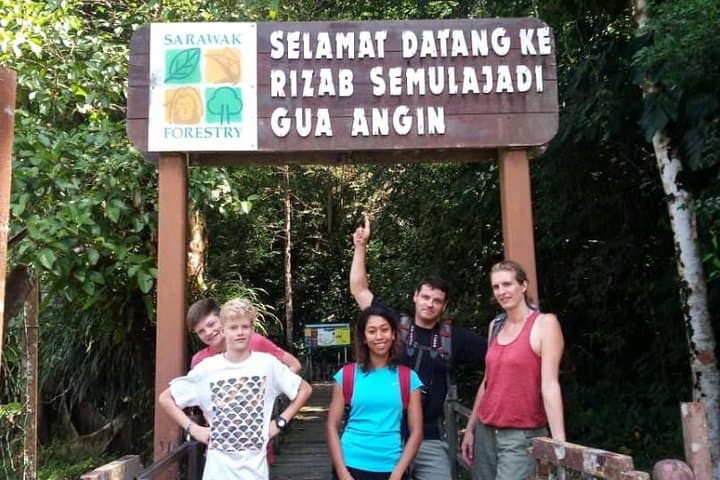
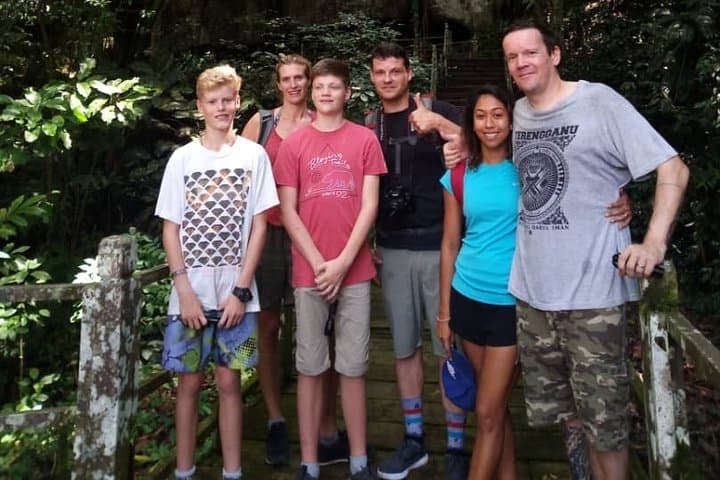
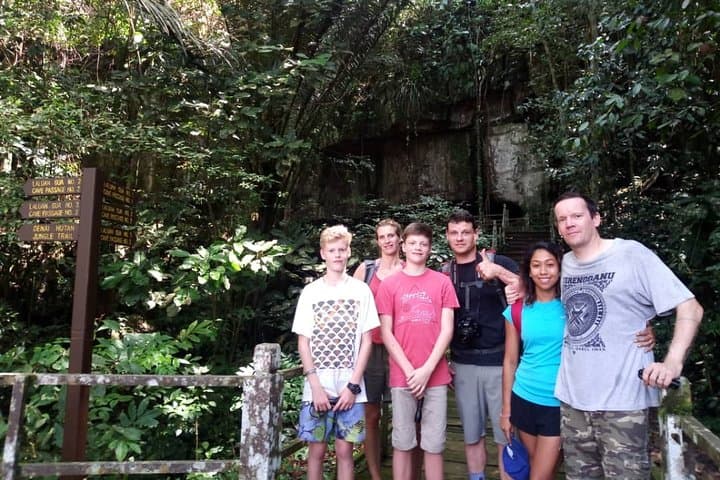
A humid morning drive unspools out of Kuching, palms sliding past the minivan windows as karst towers loom into view—sharpened silhouettes against a heavy blue sky. Within an hour the road drops to a small car park and a short walk delivers you to two very different caverns: Fairy Cave’s three-storey mouth that funnels sunlight into a cathedral-like chamber, and the narrower, plankwalk lined passages of Wind Cave where a stream murmurs through shadow.
A humid morning drive unspools out of Kuching, palms sliding past the minivan windows as karst towers loom into view—sharpened silhouettes against a heavy blue sky. Within an hour the road drops to a small car park and a short walk delivers you to two very different caverns: Fairy Cave’s three-storey mouth that funnels sunlight into a cathedral-like chamber, and the narrower, plankwalk lined passages of Wind Cave where a stream murmurs through shadow.
Geology here is obvious: weathered limestone sculpted over millions of years by acidic groundwater, leaving pinnacles, scallops and blade-like pendants that map ancient flow. The caves are alive—black-nest swiftlets call from the roofs, bats cluster in recesses, and unique cave snails occupy microhabitats on the limestone face. These formations sit within a protected reserve established to conserve the karst forest and its specialized fauna; the plankwalk is an intentional measure to limit wear on fragile surfaces.
Expect a hands-on natural-history outing rather than technical spelunking. Practicalities: the tour typically includes hotel pickup in Kuching and transport by air-conditioned minivan, lasts about six hours, and covers short walks, a guided cave interior visit and time by the river. Bring a reliable flashlight (interiors are unlit), sturdy walking shoes with grip for wet stone, insect repellent and a light rain layer—tropical storms are common.
Timing early or late in the day keeps heat down and wildlife activity up. Move deliberately inside the caves: low ceilings, slippery steps and bat colonies reward quiet observation and careful footing.