THE ADVENTURE COLLECTIVE® · Independent discovery and booking for outdoor travel

Spend four hours on a working Kenyan coffee estate learning how cherries become the cup you know. This guided tour combines farm walks, processing demos, a tasting and insight into the cooperative systems that sustain local producers.
Spend four hours on a working Kenyan coffee estate learning how cherries become the cup you know. This guided tour combines farm walks, processing demos, a tasting and insight into the cooperative systems that sustain local producers.
You step from a small van onto a slope of glossy coffee bushes; the air tastes like damp earth and citrus peel, and machines hum in a distant shed where cherries become beans. Walkways cut through shaded rows, farmers pass with practiced hands, and a steaming cup handed to you feels like a small proof of a long process.
Verified experiences and guided adventures in the surrounding area.
Operated by Kensil Tours and Travel · Nairobi, Nairobi County
You step from a small van onto a slope of glossy coffee bushes; the air tastes like damp earth and citrus peel, and machines hum in a distant shed where cherries become beans. Walkways cut through shaded rows, farmers pass with practiced hands, and a steaming cup handed to you feels like a small proof of a long process.
Kenya’s coffee story runs along the central highlands—volcanic soils, steady rains and elevations that push bright acids and floral notes into the cup. Introduced during the colonial era and grown largely on smallholdings, Kenyan coffee lives in cooperative systems and auction houses that shape local livelihoods. Geology matters here: porous volcanic loam drains quickly, forcing roots deep and concentrating flavors.
On this four-hour estate tour expect easy walking on farm tracks—likely 1–3 miles with gentle slopes and occasional mud in the rains. You’ll see hand-picking, washing stations, mechanical drying and a cupping demonstration; guides explain fermentation, grading and what makes AA-grade beans different. Practical details: bring waterproof shoes for wet seasons, sun protection at higher altitude, and a reusable bottle—the farm’s trails are exposed between rows.
Buy direct if you want roasted beans, tip guides modestly, and time your visit for morning light when aromas are strongest. This is an intimate, low-impact way to connect with Kenya’s agricultural landscape—where the land pushes flavor into the cup and the people keep the economy brewing.
easy.
4 hours.
Suitable for all fitness levels; expect 1–3 miles of walking on mostly gentle slopes
The excursion runs about four hours and typically includes transport from Nairobi, a farm walk, processing demos and a tasting.
Yes—this tour is family-friendly; infants are usually required to sit on an adult’s lap during transport.
Most farms sell roasted or raw beans directly—bring cash or check card options with your guide in advance.
No technical terrain—paths are farm tracks with gentle slopes; expect some uneven ground and possible mud after rain.
Coffee arrived in Kenya during the late 19th and early 20th centuries; today smallholders and cooperatives drive much of production and export.
Many estates use shade trees and careful water management to reduce erosion; buying direct supports farmer incomes and can incentivize sustainable practices.
Kensil Tours and Travel operates guided outdoor trips and adventures with an emphasis on safety, stewardship, and memorable experiences.
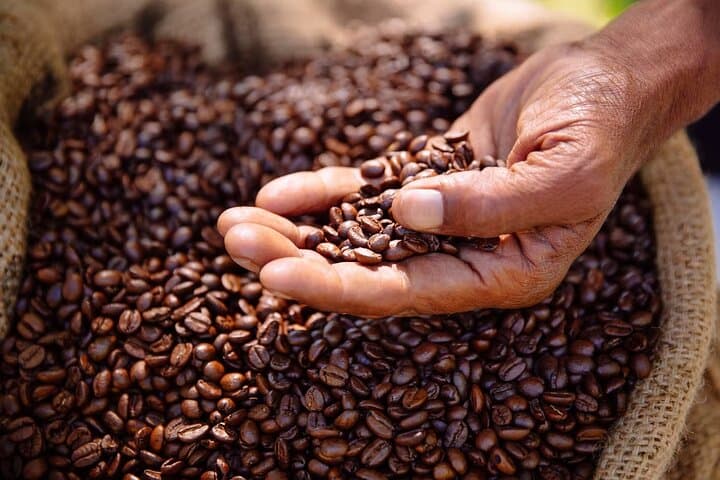
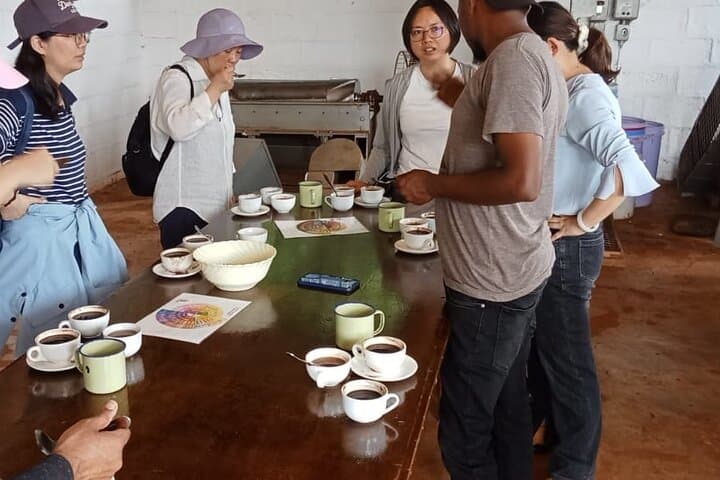
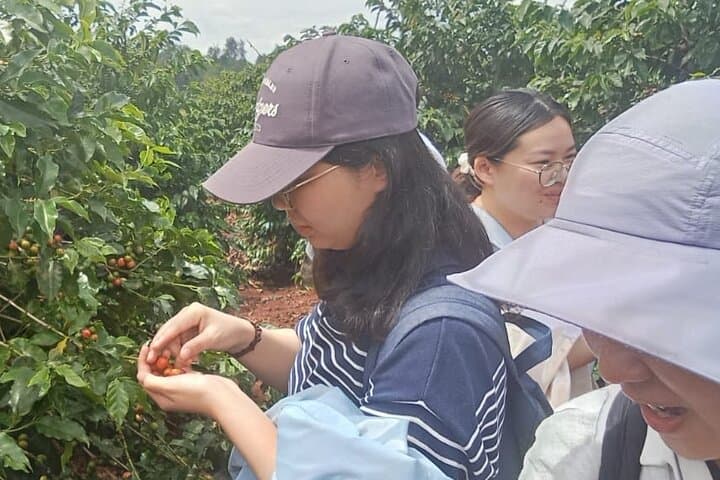

You step from a small van onto a slope of glossy coffee bushes; the air tastes like damp earth and citrus peel, and machines hum in a distant shed where cherries become beans. Walkways cut through shaded rows, farmers pass with practiced hands, and a steaming cup handed to you feels like a small proof of a long process.
You step from a small van onto a slope of glossy coffee bushes; the air tastes like damp earth and citrus peel, and machines hum in a distant shed where cherries become beans. Walkways cut through shaded rows, farmers pass with practiced hands, and a steaming cup handed to you feels like a small proof of a long process.
Kenya’s coffee story runs along the central highlands—volcanic soils, steady rains and elevations that push bright acids and floral notes into the cup. Introduced during the colonial era and grown largely on smallholdings, Kenyan coffee lives in cooperative systems and auction houses that shape local livelihoods. Geology matters here: porous volcanic loam drains quickly, forcing roots deep and concentrating flavors.
On this four-hour estate tour expect easy walking on farm tracks—likely 1–3 miles with gentle slopes and occasional mud in the rains. You’ll see hand-picking, washing stations, mechanical drying and a cupping demonstration; guides explain fermentation, grading and what makes AA-grade beans different. Practical details: bring waterproof shoes for wet seasons, sun protection at higher altitude, and a reusable bottle—the farm’s trails are exposed between rows.
Buy direct if you want roasted beans, tip guides modestly, and time your visit for morning light when aromas are strongest. This is an intimate, low-impact way to connect with Kenya’s agricultural landscape—where the land pushes flavor into the cup and the people keep the economy brewing.