THE ADVENTURE COLLECTIVE® · Independent discovery and booking for outdoor travel

Explore coffee production a short drive from Nairobi on a four-hour farm-to-cup tour at Fairview. Walk plantation paths, watch processing steps and sample freshly brewed Kenyan coffee with expert guides.
Explore coffee production a short drive from Nairobi on a four-hour farm-to-cup tour at Fairview. Walk plantation paths, watch processing steps and sample freshly brewed Kenyan coffee with expert guides.
You step out of Nairobi's morning haze and the road slips past Karura Forest, leaves brushing the windows like an invitation. Within 20–40 minutes the city noise loosens and the farm appears: low hedgerows, neat rows of coffee trees, the scent of damp soil and citrusy coffee cherries. Guides move with practiced calm; the air seems to carry the work of decades.
Verified experiences and guided adventures in the surrounding area.
Operated by Mountain Walkers Adventures · Nairobi, Nairobi County
You step out of Nairobi's morning haze and the road slips past Karura Forest, leaves brushing the windows like an invitation. Within 20–40 minutes the city noise loosens and the farm appears: low hedgerows, neat rows of coffee trees, the scent of damp soil and citrusy coffee cherries. Guides move with practiced calm; the air seems to carry the work of decades.
The Fairview experience traces coffee’s journey from nursery beds and shaded plantations through handpicking, pulping and the wet-processing channels that give Kenyan beans their bright acidity. This region sits on the Kenyan central highlands—plateau terrain at roughly 1,700–1,900 m—where volcanic-derived soils and steady equatorial sunlight produce high-altitude Arabica with lively floral notes. Culturally, coffee here ties colonial-era estates to smallholder cooperatives; tours often include local tasting notes and stories about family plots and sustainable practices.
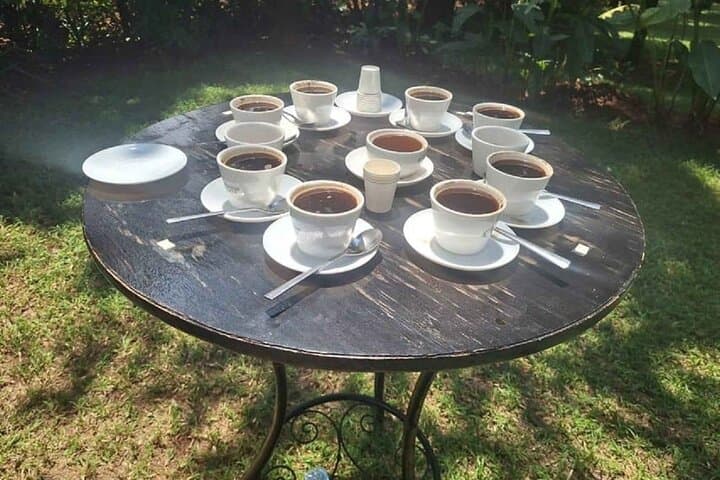
On the ground expect easy farm tracks and short walks totaling around 1–2 km at a gentle pace, plus a sit-down tasting where brewed samples and milk-based coffee are served with snacks. Accessibility is good—paths and transport options are noted as wheelchair-accessible—but surfaces can be uneven after rain.
Practical guidance: book a morning slot for best light and fresher picks, wear closed-toe shoes and sun protection, carry a light rain layer in the long-rains season, and bring a camera and small cash for market stalls. The tour returns to Nairobi mid-afternoon, leaving you both caffeinated and informed about what ‘farm-to-cup’ actually takes.
easy.
4 hours.
Suitable for most fitness levels; involves short, gentle walks (1–2 km) on farm tracks at high elevation.
The full experience is approximately 4 hours door-to-door, including pickup, farm tour and coffee tasting.
The provider lists wheelchair-accessible areas and transport, though some outdoor surfaces may be uneven in wet weather.
Yes — the tour includes guided coffee testing with brewed samples and a milk-based serving plus snacks.
Pickup and drop-off in Nairobi are typically included; confirm your hotel pickup point when booking.
Coffee cultivation expanded in the central highlands under colonial plantations and later through cooperative and estate models; local farms now blend heritage methods with modern processing.
Many Kenyan farms, including those around Nairobi, are adopting shade-grown techniques and water-efficient processing to reduce runoff and protect soil health.
Mountain Walkers Adventures operates guided outdoor trips and adventures with an emphasis on safety, stewardship, and memorable experiences.
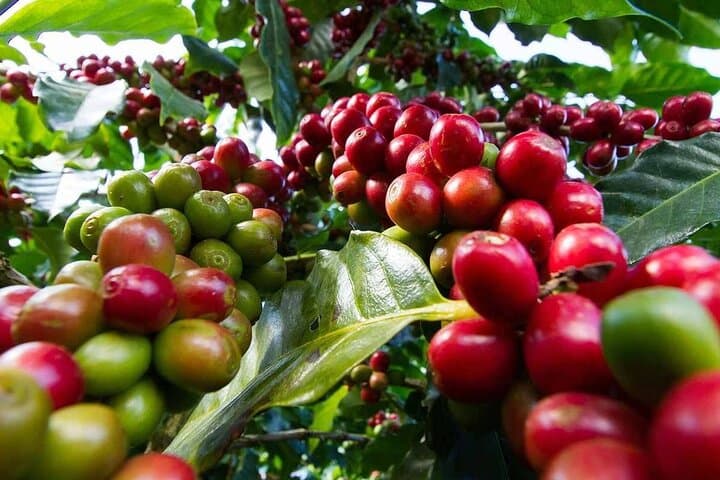
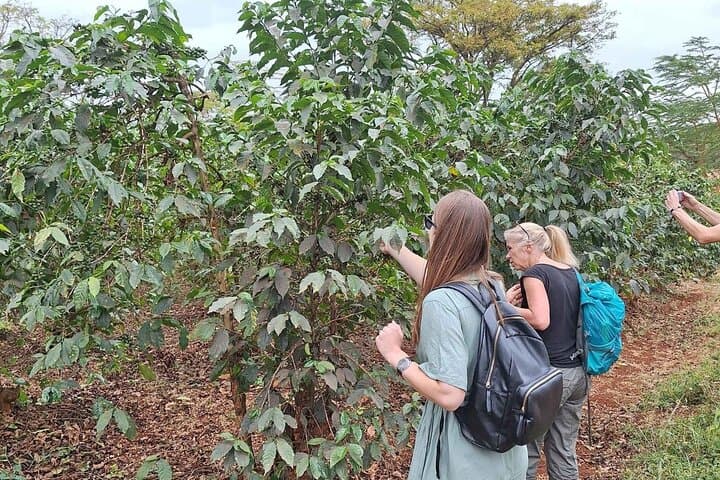
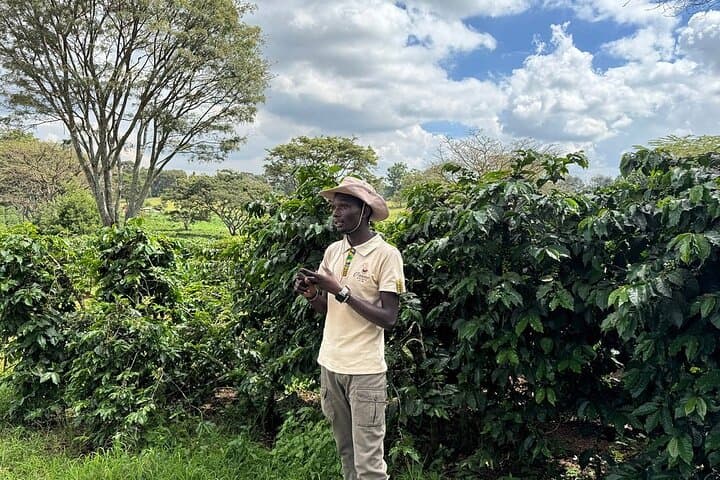
You step out of Nairobi's morning haze and the road slips past Karura Forest, leaves brushing the windows like an invitation. Within 20–40 minutes the city noise loosens and the farm appears: low hedgerows, neat rows of coffee trees, the scent of damp soil and citrusy coffee cherries. Guides move with practiced calm; the air seems to carry the work of decades.
You step out of Nairobi's morning haze and the road slips past Karura Forest, leaves brushing the windows like an invitation. Within 20–40 minutes the city noise loosens and the farm appears: low hedgerows, neat rows of coffee trees, the scent of damp soil and citrusy coffee cherries. Guides move with practiced calm; the air seems to carry the work of decades.
The Fairview experience traces coffee’s journey from nursery beds and shaded plantations through handpicking, pulping and the wet-processing channels that give Kenyan beans their bright acidity. This region sits on the Kenyan central highlands—plateau terrain at roughly 1,700–1,900 m—where volcanic-derived soils and steady equatorial sunlight produce high-altitude Arabica with lively floral notes. Culturally, coffee here ties colonial-era estates to smallholder cooperatives; tours often include local tasting notes and stories about family plots and sustainable practices.
On the ground expect easy farm tracks and short walks totaling around 1–2 km at a gentle pace, plus a sit-down tasting where brewed samples and milk-based coffee are served with snacks. Accessibility is good—paths and transport options are noted as wheelchair-accessible—but surfaces can be uneven after rain.
Practical guidance: book a morning slot for best light and fresher picks, wear closed-toe shoes and sun protection, carry a light rain layer in the long-rains season, and bring a camera and small cash for market stalls. The tour returns to Nairobi mid-afternoon, leaving you both caffeinated and informed about what ‘farm-to-cup’ actually takes.