THE ADVENTURE COLLECTIVE® · Independent discovery and booking for outdoor travel

Drive through Karura Forest and spend a half day at Fairview Coffee Farm learning how Kenya’s highland soils and high-altitude growing shape coffee from seedling to cup. This private, accessible tour includes a factory walkthrough, cupping and lunch.
Drive through Karura Forest and spend a half day at Fairview Coffee Farm learning how Kenya’s highland soils and high-altitude growing shape coffee from seedling to cup. This private, accessible tour includes a factory walkthrough, cupping and lunch.
Morning light splits through Karura Forest as your driver takes the road north from Nairobi toward Kiambu. The air shifts from city dust to the green, slightly acidic scent of coffee leaves; rows of young seedlings and mature trees march across gently rolling slopes. At Fairview Coffee Farm, guides meet you with a hot cup and a short orientation before leading you through nursery beds, picking plots and the wet mill where beans change from fruit to commodity.
Verified experiences and guided adventures in the surrounding area.
Operated by Nairobi and Beyond Safaris · Kiambu, Kiambu County
Morning light splits through Karura Forest as your driver takes the road north from Nairobi toward Kiambu. The air shifts from city dust to the green, slightly acidic scent of coffee leaves; rows of young seedlings and mature trees march across gently rolling slopes. At Fairview Coffee Farm, guides meet you with a hot cup and a short orientation before leading you through nursery beds, picking plots and the wet mill where beans change from fruit to commodity.
Kenya’s coffee history stretches back to the late 19th century when experimental plantings in the highlands proved the volcanic soils and high elevation ideal for Arabica. The Central Highlands around Kiambu sit roughly 1,600–1,900 meters above sea level—altitude that sharpens acidity and bright fruit notes in the cup. On the tour you’ll see how seedlings are raised, observe harvest sorting, watch pulping and drying, and finish with a cupping session that trains your palate on Kenyan processing styles.
The experience is both agricultural and cultural: smallholder networks, seasonal labor rhythms and a coffee economy that helped shape local trade hubs. Fairview’s guided visit pairs interpretation with hands-on viewing and ends with lunch and time to buy freshly roasted beans.
Practicalities: the private tour runs about four hours with hotel pickup (typical start 08:30), includes bottled water, lunch and a tasting. Paths are mostly compacted dirt—closed shoes recommended—and the site is wheelchair accessible. Bring sun protection, a light layer for cooler upland mornings, and a notebook if you plan to record tasting notes.
easy.
4 hours.
Suitable for most fitness levels; short walking sections on even and compact dirt surfaces.
The private tour lasts about four hours and commonly begins around 08:30 with hotel pickup in Nairobi.
Yes—Fairview notes that paths and surfaces on the tour route are wheelchair accessible.
Yes—your booking includes bottled water, a cup of coffee and snacks on arrival, and a provided lunch.
Most farm visits conclude at a shop or stall where freshly roasted beans and packaged coffee are available for purchase.
Coffee cultivation in Kenya expanded in the late 1800s across the highlands; central Kenya’s elevation and volcanic soils made it a global Arabica source by the 20th century.
Many farms in the region balance production with agroforestry and shade management to protect soil and water; visitors should follow guidelines to minimize disturbance.
Nairobi and Beyond Safaris operates guided outdoor trips and adventures with an emphasis on safety, stewardship, and memorable experiences.
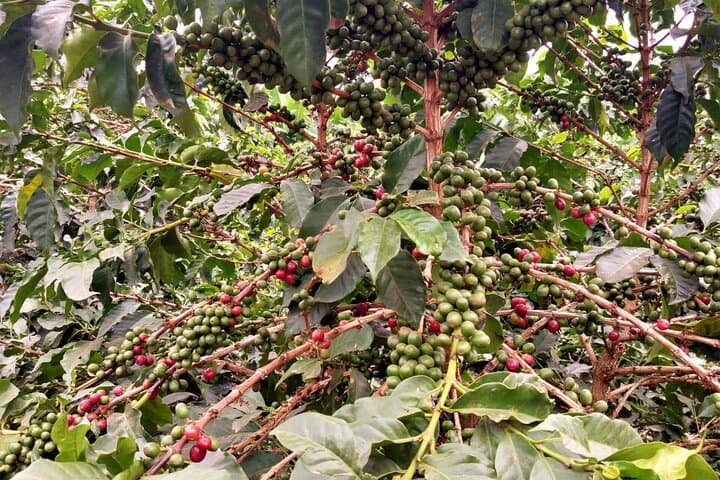
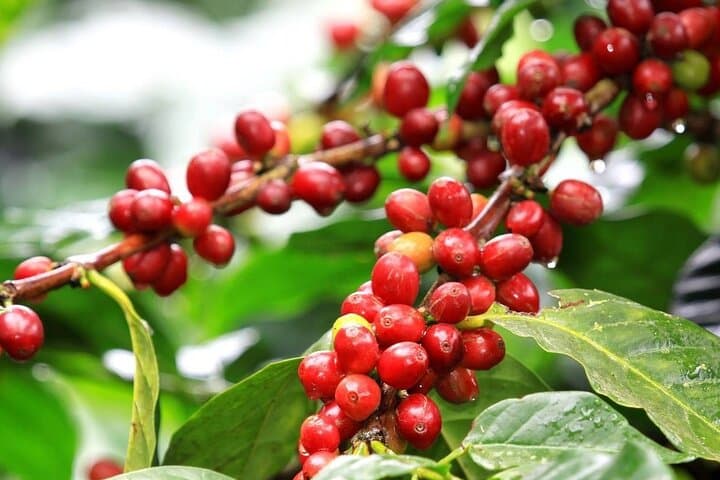

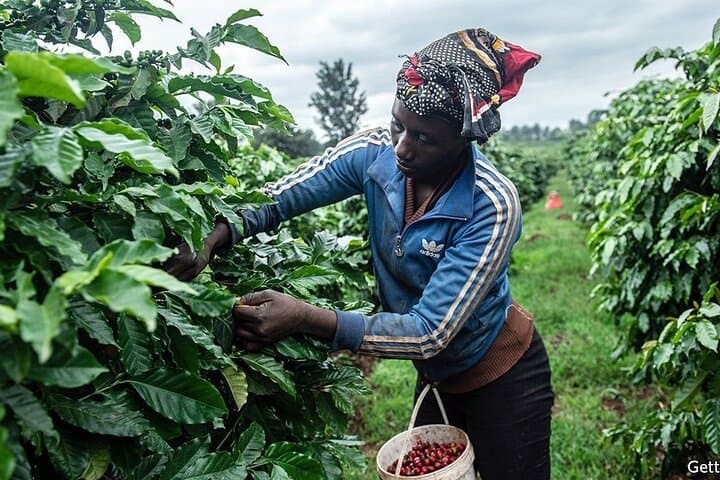
Morning light splits through Karura Forest as your driver takes the road north from Nairobi toward Kiambu. The air shifts from city dust to the green, slightly acidic scent of coffee leaves; rows of young seedlings and mature trees march across gently rolling slopes. At Fairview Coffee Farm, guides meet you with a hot cup and a short orientation before leading you through nursery beds, picking plots and the wet mill where beans change from fruit to commodity.
Morning light splits through Karura Forest as your driver takes the road north from Nairobi toward Kiambu. The air shifts from city dust to the green, slightly acidic scent of coffee leaves; rows of young seedlings and mature trees march across gently rolling slopes. At Fairview Coffee Farm, guides meet you with a hot cup and a short orientation before leading you through nursery beds, picking plots and the wet mill where beans change from fruit to commodity.
Kenya’s coffee history stretches back to the late 19th century when experimental plantings in the highlands proved the volcanic soils and high elevation ideal for Arabica. The Central Highlands around Kiambu sit roughly 1,600–1,900 meters above sea level—altitude that sharpens acidity and bright fruit notes in the cup. On the tour you’ll see how seedlings are raised, observe harvest sorting, watch pulping and drying, and finish with a cupping session that trains your palate on Kenyan processing styles.
The experience is both agricultural and cultural: smallholder networks, seasonal labor rhythms and a coffee economy that helped shape local trade hubs. Fairview’s guided visit pairs interpretation with hands-on viewing and ends with lunch and time to buy freshly roasted beans.
Practicalities: the private tour runs about four hours with hotel pickup (typical start 08:30), includes bottled water, lunch and a tasting. Paths are mostly compacted dirt—closed shoes recommended—and the site is wheelchair accessible. Bring sun protection, a light layer for cooler upland mornings, and a notebook if you plan to record tasting notes.