THE ADVENTURE COLLECTIVE® · Independent discovery and booking for outdoor travel

Leave Nairobi for a three–four hour farm-to-cup tour at Fairview Coffee Farm. Walk production zones, watch processing on raised beds, and taste freshly brewed Kenyan coffee while learning how soil, rain and sorting shape flavor.
Leave Nairobi for a three–four hour farm-to-cup tour at Fairview Coffee Farm. Walk production zones, watch processing on raised beds, and taste freshly brewed Kenyan coffee while learning how soil, rain and sorting shape flavor.
You step out of Nairobi’s morning traffic and the city’s edge eases into green rows of coffee bushes; the farm air lifts and the scent of fresh-cut leaves and drying cherries greets you. Guides meet you at the visitor area and lead a compact circuit: nursery beds, planted rows, drying patios and the small-scale mill where beans shed their parchment and begin the long journey home to your cup.
Verified experiences and guided adventures in the surrounding area.
Operated by CARALUXE TOURS AND SAFARIS LTD · Limuru, Kiambu County
You step out of Nairobi’s morning traffic and the city’s edge eases into green rows of coffee bushes; the farm air lifts and the scent of fresh-cut leaves and drying cherries greets you. Guides meet you at the visitor area and lead a compact circuit: nursery beds, planted rows, drying patios and the small-scale mill where beans shed their parchment and begin the long journey home to your cup.
Fairview sits within Kenya’s highland coffee belt, where volcanic soils and equatorial rains combine to give bright, acidic beans prized in specialty markets. The farm tour explains local agronomy — grafting and shade management — and shows processing methods used in Kenyan estates: wet processing, sun drying on raised beds, and the sorting that creates distinct grade profiles.
Culturally, coffee in Kenya links smallholder livelihoods and cooperative systems; the guide will point out how harvest timing and quality control affect price and flavor. Expect a hands-on tasting (cupping) that highlights acidity, floral notes and the clean finish Kenyan coffees are known for.
Practical guidance: allow three to four hours including hotel transfer, wear closed-toe shoes for uneven surfaces, and bring sun protection; the drying patios are exposed. The farm is wheelchair accessible in main visitor areas, but paths can be dusty. Buy beans directly from the farm shop if you want single-estate labels not widely available back home.
This half-day tour is low-impact but rich in detail — ideal for curious travelers who want a concise, behind-the-scenes look at how Kenyan coffee goes from cherry to cup.
easy.
3–4 hours.
Suitable for most fitness levels; involves short walks on flat to gently sloped farm terrain.
Yes — private pick-up and drop-off from central Nairobi hotels is included in the half-day tour price.
Yes — the itinerary includes a guided tasting comparing grades and processing styles produced on the farm.
Main visitor areas and transportation are wheelchair accessible, though some outdoor paths may be uneven; contact the operator for specific assistance needs.
Yes — the farm shop sells roasted and green beans, single-estate labels and small souvenirs; bring cash for smaller purchases.
Coffee planting in the Kenyan highlands expanded in the early 20th century under colonial-era estates, evolving into today’s mix of estate and cooperative production that emphasizes quality grading.
Many farms here use shade trees and soil-conservation measures to protect watershed areas; visitors are asked to avoid littering and to use farm-provided paths to minimize impact.
CARALUXE TOURS AND SAFARIS LTD operates guided outdoor trips and adventures with an emphasis on safety, stewardship, and memorable experiences.
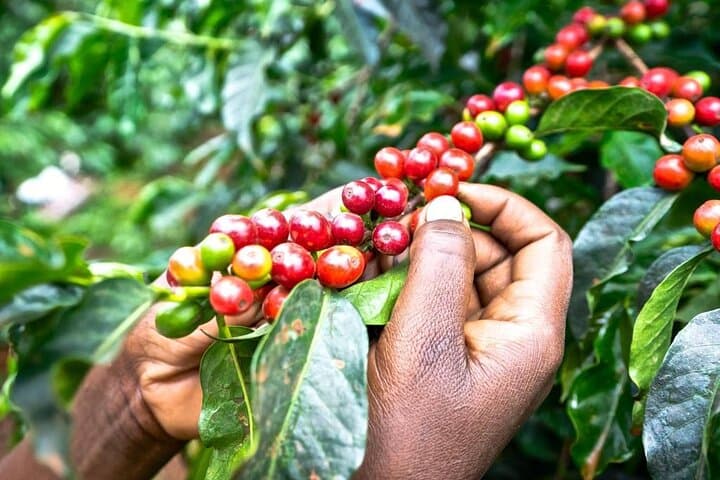
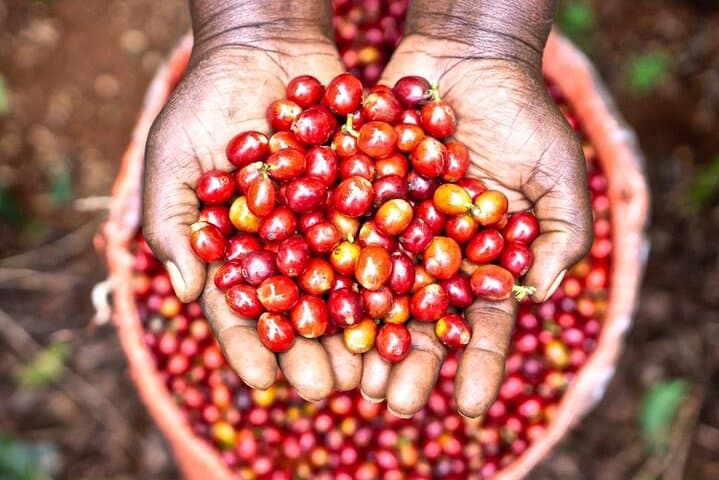
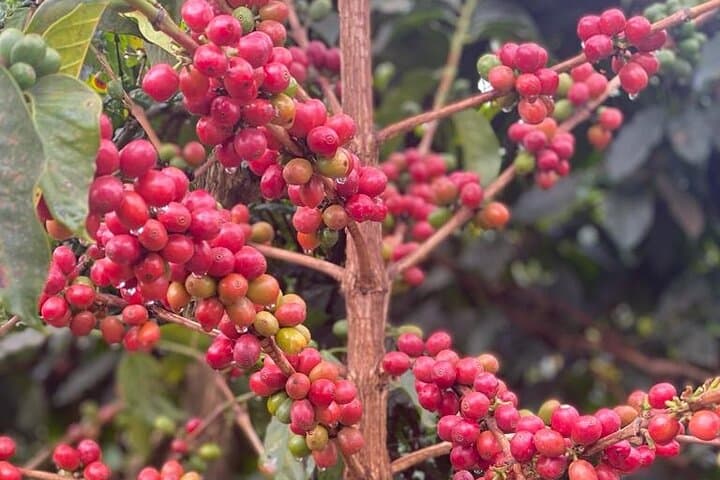
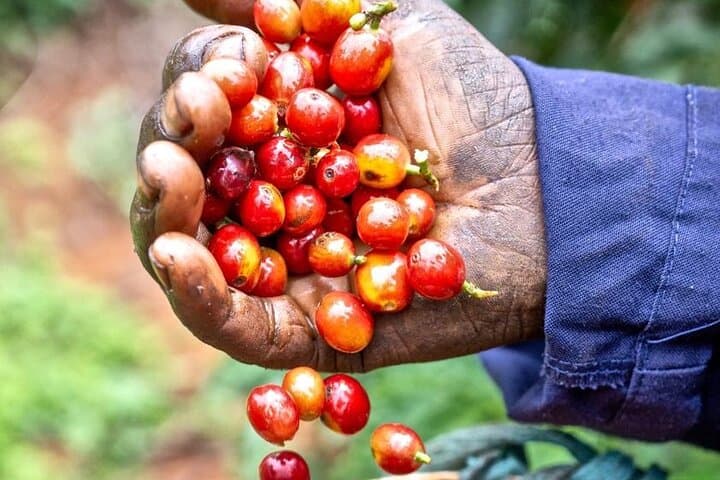
You step out of Nairobi’s morning traffic and the city’s edge eases into green rows of coffee bushes; the farm air lifts and the scent of fresh-cut leaves and drying cherries greets you. Guides meet you at the visitor area and lead a compact circuit: nursery beds, planted rows, drying patios and the small-scale mill where beans shed their parchment and begin the long journey home to your cup.
You step out of Nairobi’s morning traffic and the city’s edge eases into green rows of coffee bushes; the farm air lifts and the scent of fresh-cut leaves and drying cherries greets you. Guides meet you at the visitor area and lead a compact circuit: nursery beds, planted rows, drying patios and the small-scale mill where beans shed their parchment and begin the long journey home to your cup.
Fairview sits within Kenya’s highland coffee belt, where volcanic soils and equatorial rains combine to give bright, acidic beans prized in specialty markets. The farm tour explains local agronomy — grafting and shade management — and shows processing methods used in Kenyan estates: wet processing, sun drying on raised beds, and the sorting that creates distinct grade profiles.
Culturally, coffee in Kenya links smallholder livelihoods and cooperative systems; the guide will point out how harvest timing and quality control affect price and flavor. Expect a hands-on tasting (cupping) that highlights acidity, floral notes and the clean finish Kenyan coffees are known for.
Practical guidance: allow three to four hours including hotel transfer, wear closed-toe shoes for uneven surfaces, and bring sun protection; the drying patios are exposed. The farm is wheelchair accessible in main visitor areas, but paths can be dusty. Buy beans directly from the farm shop if you want single-estate labels not widely available back home.
This half-day tour is low-impact but rich in detail — ideal for curious travelers who want a concise, behind-the-scenes look at how Kenyan coffee goes from cherry to cup.