THE ADVENTURE COLLECTIVE® · Independent discovery and booking for outdoor travel

Spend two hours outside Fairbanks in a cozy yurt with hot drinks, charcuterie, and local storytelling while watching the Aurora Borealis. This intimate evening tour combines practical cold-weather gear and photography-friendly moments with cultural insight.
Spend two hours outside Fairbanks in a cozy yurt with hot drinks, charcuterie, and local storytelling while watching the Aurora Borealis. This intimate evening tour combines practical cold-weather gear and photography-friendly moments with cultural insight.
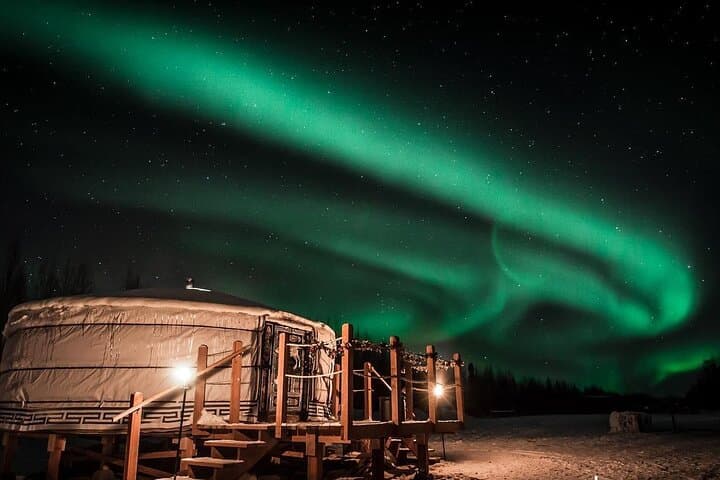
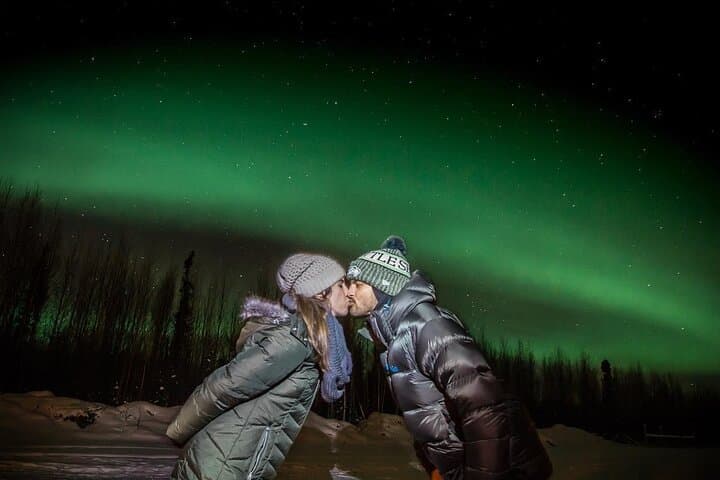
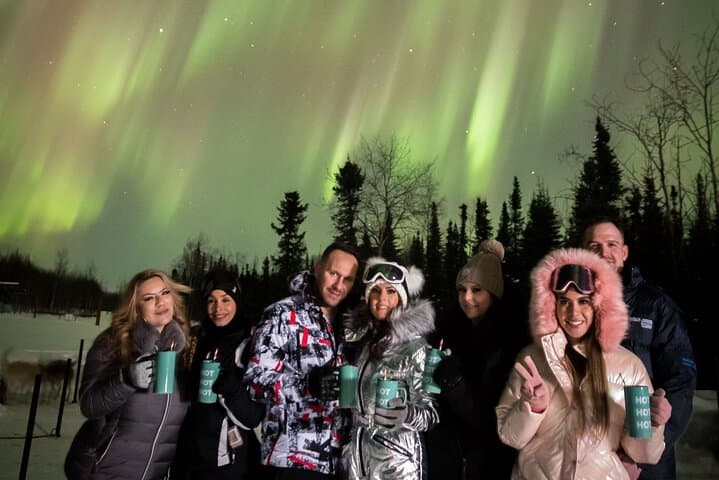
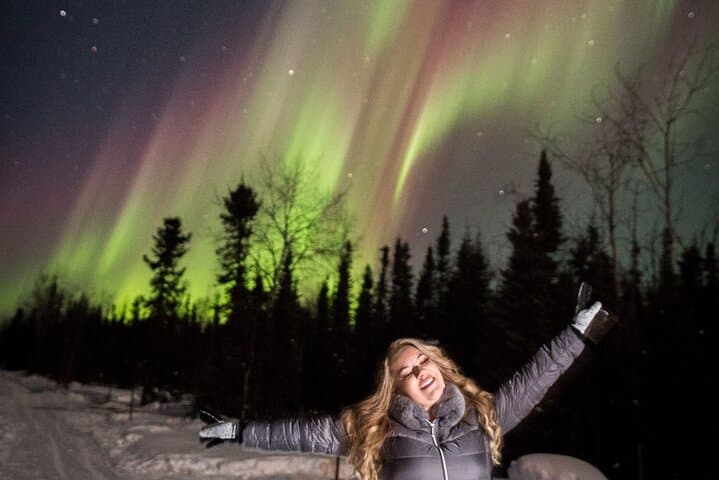
Night arrives thick and clean above the boreal wood; a low yurt glows at the clearing’s edge while steam rises from mugs in waiting hands. On a clear Fairbanks evening the aurora does not simply appear — it unfurls, a shifting curtain of green and mauve that dares you to keep looking. Guides from the Last Frontier Mushing Co-op keep the group warm with stories and a simple charcuterie spread while the sky stages its show.
Verified experiences and guided adventures in the surrounding area.
Operated by Last Frontier Mushing Co-op · Fairbanks, Alaska
Night arrives thick and clean above the boreal wood; a low yurt glows at the clearing’s edge while steam rises from mugs in waiting hands. On a clear Fairbanks evening the aurora does not simply appear — it unfurls, a shifting curtain of green and mauve that dares you to keep looking. Guides from the Last Frontier Mushing Co-op keep the group warm with stories and a simple charcuterie spread while the sky stages its show.
This two-hour experience (typically 10 PM–midnight) pairs traditional storytelling with a practical introduction to Alaska’s northern sky. The site uses a Mongolian-style yurt for sheltered viewing and provides insulated parkas, boots, mittens, and snow pants in colder months. Geologically, you’re on interior Alaska’s flat river terraces where long winter nights and limited light pollution make aurora sightings reliable when solar activity and clear skies align. Culturally, guides weave local history—from Athabascan place names to early gold-rush trails—into the evening, grounding the spectacle in human stories.
Plan for cold and patience: the best displays may come after long, silent stretches of waiting. Bring a camera and tripod if you want long exposures; practice low-light settings before you go. Footing can be icy — rubber-soled boots help, and keep phone batteries warm in inner pockets. Note the host’s access instructions (use Grange Hall Road, not Kauffman Lane) and the 24-hour cancellation window for poor weather. When the aurora finally rises, it feels less like a photograph and more like an event that invites you to remember how small, and how vivid, nights can be.
easy.
2 hours (10 PM–midnight).
Suitable for most fitness levels; requires short, easy walks and standing in cold conditions
The tour runs about 2 hours and usually departs between 10 PM and midnight; exact start times vary by season and aurora forecasts.
Yes — parkas, snow pants, boots, hats, and mittens are provided, but guests should wear insulated base layers and warm socks.
Yes. Tripods are encouraged for long exposures; guides can advise on settings but do not provide camera instruction beyond basic tips.
Tours can be canceled for poor weather; the operator’s policy allows full refunds if canceled at least 24 hours before departure or if the tour is called off for conditions.
Fairbanks grew rapidly during the early 20th-century gold rush; Athabascan communities have long-read sky traditions informing modern storytelling.
Operators emphasize low-impact viewing—stay on cleared paths, pack out waste, and use provided facilities to minimize ecological disturbance.
Last Frontier Mushing Co-op operates guided outdoor trips and adventures with an emphasis on safety, stewardship, and memorable experiences.
Night arrives thick and clean above the boreal wood; a low yurt glows at the clearing’s edge while steam rises from mugs in waiting hands. On a clear Fairbanks evening the aurora does not simply appear — it unfurls, a shifting curtain of green and mauve that dares you to keep looking. Guides from the Last Frontier Mushing Co-op keep the group warm with stories and a simple charcuterie spread while the sky stages its show.
Night arrives thick and clean above the boreal wood; a low yurt glows at the clearing’s edge while steam rises from mugs in waiting hands. On a clear Fairbanks evening the aurora does not simply appear — it unfurls, a shifting curtain of green and mauve that dares you to keep looking. Guides from the Last Frontier Mushing Co-op keep the group warm with stories and a simple charcuterie spread while the sky stages its show.
This two-hour experience (typically 10 PM–midnight) pairs traditional storytelling with a practical introduction to Alaska’s northern sky. The site uses a Mongolian-style yurt for sheltered viewing and provides insulated parkas, boots, mittens, and snow pants in colder months. Geologically, you’re on interior Alaska’s flat river terraces where long winter nights and limited light pollution make aurora sightings reliable when solar activity and clear skies align. Culturally, guides weave local history—from Athabascan place names to early gold-rush trails—into the evening, grounding the spectacle in human stories.
Plan for cold and patience: the best displays may come after long, silent stretches of waiting. Bring a camera and tripod if you want long exposures; practice low-light settings before you go. Footing can be icy — rubber-soled boots help, and keep phone batteries warm in inner pockets. Note the host’s access instructions (use Grange Hall Road, not Kauffman Lane) and the 24-hour cancellation window for poor weather. When the aurora finally rises, it feels less like a photograph and more like an event that invites you to remember how small, and how vivid, nights can be.